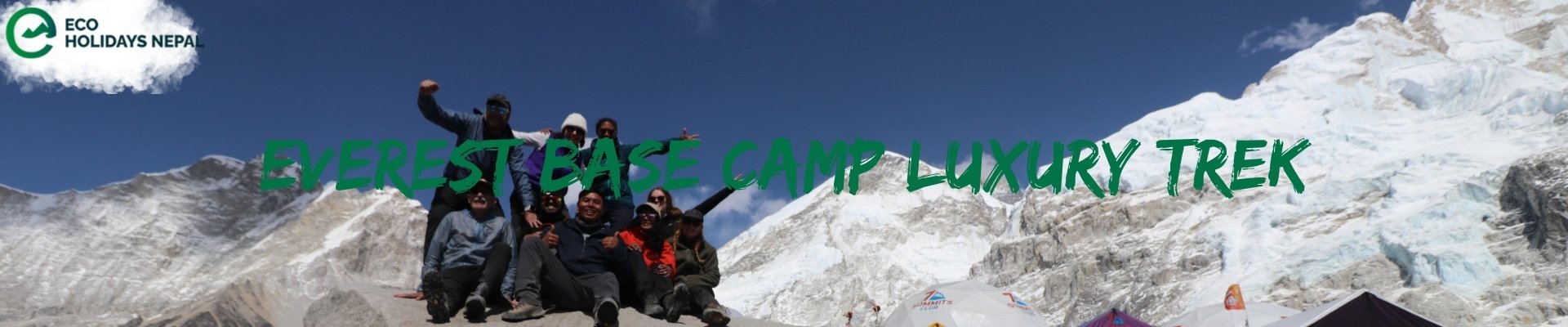

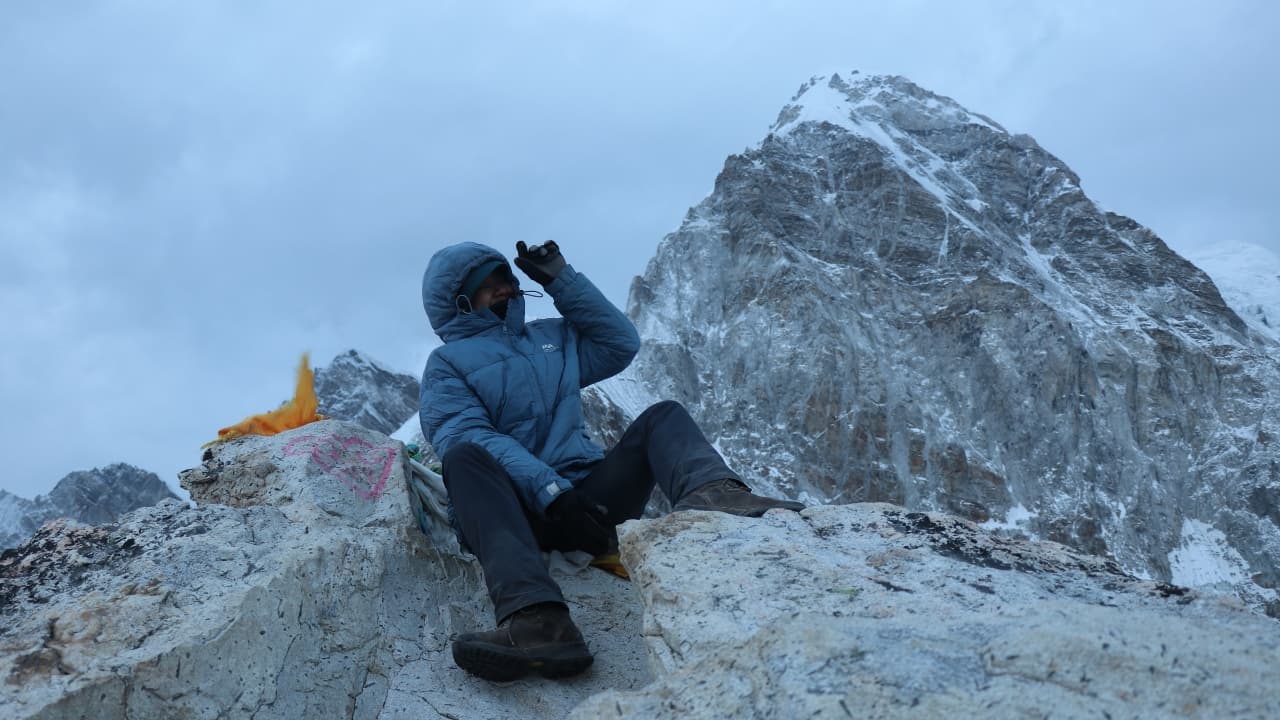
Everest Base Camp is 5,364 meters (17,598 feet) above sea level on the Nepal side of Mount Everest. Mount Everest itself stands at 8,848.86 meters (29,031.69 feet), meaning base camp is about 3,485 meters (11,434 feet) below the summit. Reaching Everest Base Camp is a high-altitude trek, not a climb to the summit, and gradual acclimatization is essential because of the reduced oxygen levels at this elevation.
Everest Base Camp stands at 5,364 meters (17,598 feet) above sea level on the Nepal side of Mount Everest. Located in the Khumbu region. This base camp is the destination of the classic Everest Base Camp Trek and sits at an altitude where the air is significantly thinner than at lower elevations. For comparison, Mount Everest rises to 8,848.86 meters (29,031.69 feet), making the summit nearly 3,485 meters higher than Everest Base Camp.
Reaching Everest Base Camp and climbing Mount Everest are two very different achievements. The Everest Base Camp Trek takes you to the foot of the world's highest mountain without requiring technical mountaineering skills or an attempt to climb the summit. The journey involves several days of gradual ascent through villages such as Namche Bazaar, Tengboche, Dingboche, and Lobuche, allowing your body time to adjust to the increasing elevation before reaching base camp.
The 5,364-meter Everest Base Camp height is also one of the most important factors that determines the difficulty of the trek. At this elevation, reduced oxygen availability can make even ordinary walking feel more demanding, and the risk of altitude-related illness increases. That is why the EBC Trek is planned with gradual elevation gains and acclimatization stops, particularly at Namche Bazaar and Dingboche. Understanding the height of Everest Base Camp, how quickly you gain altitude, and how your body responds to it is essential for preparing properly for the trek.
Everest Base Camp Height in Meters and Feet
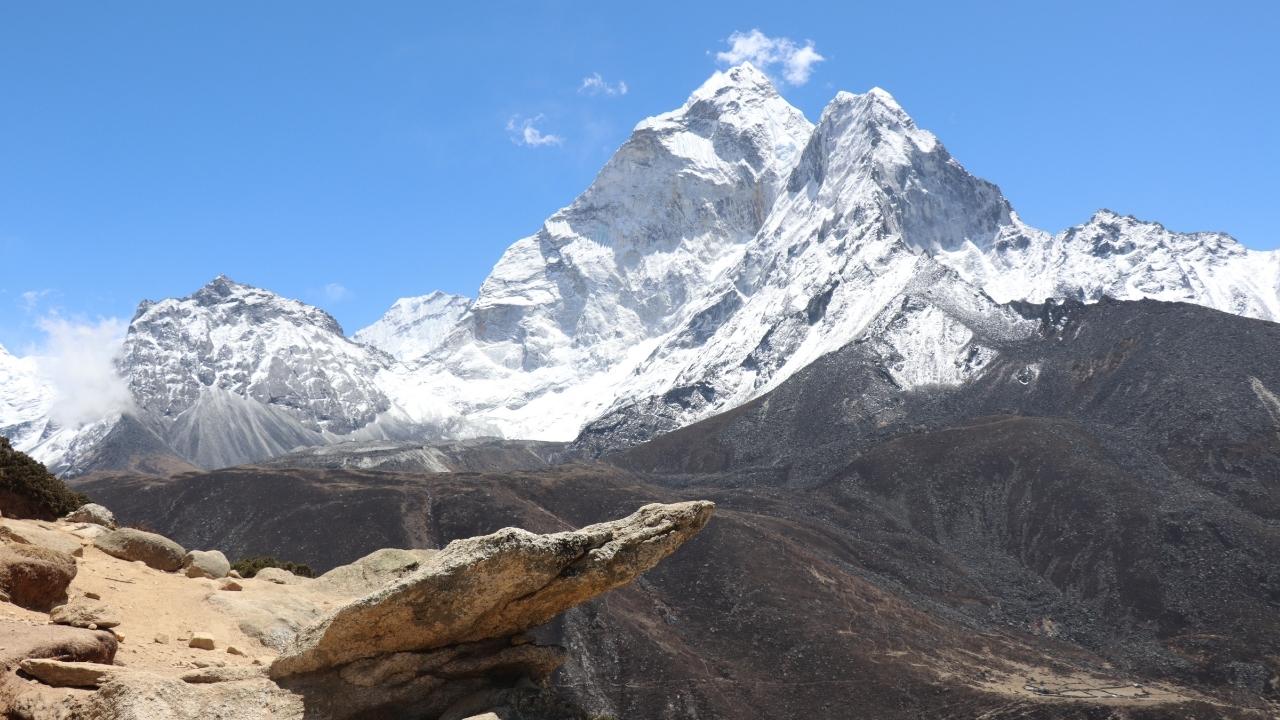
Everest Base Camp is located at an elevation of 5,364 meters (17,598 feet) above sea level on the Nepal side of Mount Everest. This is considerably higher than the starting points of the trek, but still 3,484.86 meters (11,433.69 feet) below the summit of Mount Everest, which stands at 8,848.86 meters (29,031.69 feet). For perspective, the elevation changes significantly from Kathmandu to the Everest region. The journey begins in Kathmandu at 1,400 meters (4,593 feet), followed by a flight to Lukla at 2,860 meters (9,383 feet).
From there, trekkers gradually gain altitude through the Khumbu Valley before reaching Everest Base Camp. The standard route also takes trekkers to Kala Patthar at approximately 5,550 meters (18,208 feet ), which is higher than base camp and is generally the highest point reached on the classic Everest Base Camp Trek.
|
Location |
Elevation in Meters |
Elevation in Feet |
|
1,400 m |
4,593 ft |
|
|
Lukla |
2,860 m |
9,383 ft |
|
Everest Base Camp |
5,364 m |
17,598 ft |
|
Kala Patthar |
5,550 m |
18,208 ft |
|
Mount Everest Summit |
8,848.86 m |
29,031.69 ft |
The figures make the scale of the trek clear: from Kathmandu to Everest Base Camp, the route gains roughly 4,150 meters (13,615 feet) in elevation. This gradual progression is important because the challenge of Everest Base Camp is not simply reaching a high number on an elevation chart, it is allowing the body enough time to adapt as the altitude increases.
Everest Base Camp Trek Elevation Profile
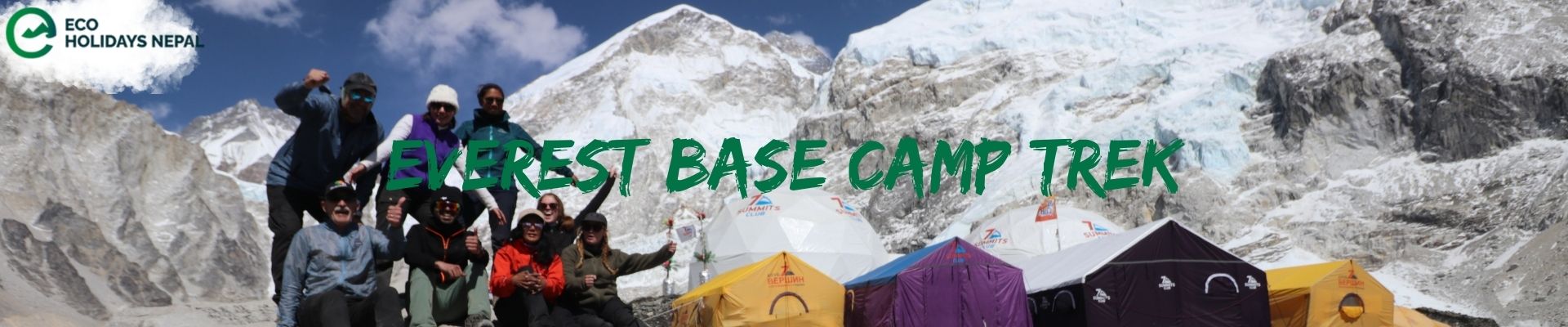
The elevation profile of the Everest Base Camp Trek shows a gradual rise from the lower Khumbu Valley to Everest Base Camp at 5,364 meters (17,598 feet). Starting from Lukla at 2,860 meters (9,383 feet), trekkers pass through Phakding, Namche Bazaar, Tengboche, Dingboche, Lobuche, and Gorak Shep before reaching base camp. The route is deliberately structured with an acclimatization day in Namche Bazaar, giving the body time to adjust before the trail climbs above 4,000 meters.
|
Day |
Trekking Route |
Elevation |
Elevation Change |
Distance |
|
3 |
Lukla to Phakding |
2,610 m/ 8,562 ft |
250 m (loss) |
8 km/ 4.9 mi |
|
4 |
Phakding to Namche Bazaar |
3,440 m/ 11,286 ft |
830 m (gain) |
12.3 km/ 7.64 mi |
|
5 |
Namche Acclimatization |
3,440 m/ 11,286 ft |
Rest day |
Short hike |
|
6 |
Namche to Tengboche |
3,867 m/ 12,687 ft |
427 m (gain) |
10.7 km/ 6.65 mi |
|
7 |
Tengboche to Dingboche |
4,410 m/ 14,468 ft |
543 m (gain) |
9.8 km/ 6.09 mi |
|
8 |
Dingboche to Lobuche |
4,910 m/ 16,108 ft |
500 m (gain) |
8.8 km/ 5.47 mi |
|
9 |
Lobuche to Gorak Shep to Everest Base Camp |
5,364 m/ 17,598 ft |
454 m (gain) |
11.5 km/ 7.15 mi |
|
10 |
Gorak Shep to Kala Patthar to Pangboche |
5,550 m/ 18,208 ft |
386 m (gain) |
15.2 km/ 9.44 mi |
**Note: Elevation change refers to the principal elevation difference between the day's starting and destination points and does not represent every ascent and descent along the trail**
The most significant part of the profile begins after Namche Bazaar. From 3,440 meters at Namche, the trail climbs to 3,867 meters at Tengboche, then crosses 4,000 meters at Dingboche, reaches 4,910 meters at Lobuche, and finally arrives at 5,364 meters at Everest Base Camp. From Dingboche to base camp alone, trekkers gain approximately 954 meters (3,130 feet) in destination elevation, making the acclimatization period and gradual pace particularly important.
The route does not simply climb continuously. After reaching Everest Base Camp, the itinerary climbs higher to Kala Patthar at 5,550 meters, before descending substantially toward Pangboche and then continuing back to Namche and Lukla. This means the trek combines significant elevation gain with equally substantial descent, rather than requiring trekkers to remain at 5,000-plus meters for several days.
If you are studying the Everest Base Camp elevation profile, the key figures are therefore 2,860 meters at Lukla, 3,440 meters at Namche Bazaar, 4,410 meters at Dingboche, 4,910 meters at Lobuche, 5,164 meters at Gorak Shep, and 5,364 meters at Everest Base Camp. Seeing these elevations in sequence makes it easier to understand why the trek is designed around gradual ascent rather than simply reaching base camp as quickly as possible.
What Does 5,364 Meters of Altitude Feel Like?
Reaching Everest Base Camp at 5,364 meters (17,598 feet) means entering a genuinely high-altitude environment where the atmospheric pressure is much lower than at sea level. The percentage of oxygen in the air remains about the same, but the lower atmospheric pressure means there is less oxygen available with each breath. This becomes increasingly noticeable as you move above 4,000 meters, particularly during physical activity. The experience is not identical for everyone, but most trekkers need to slow their pace, allow more recovery time, and pay closer attention to their body's response.
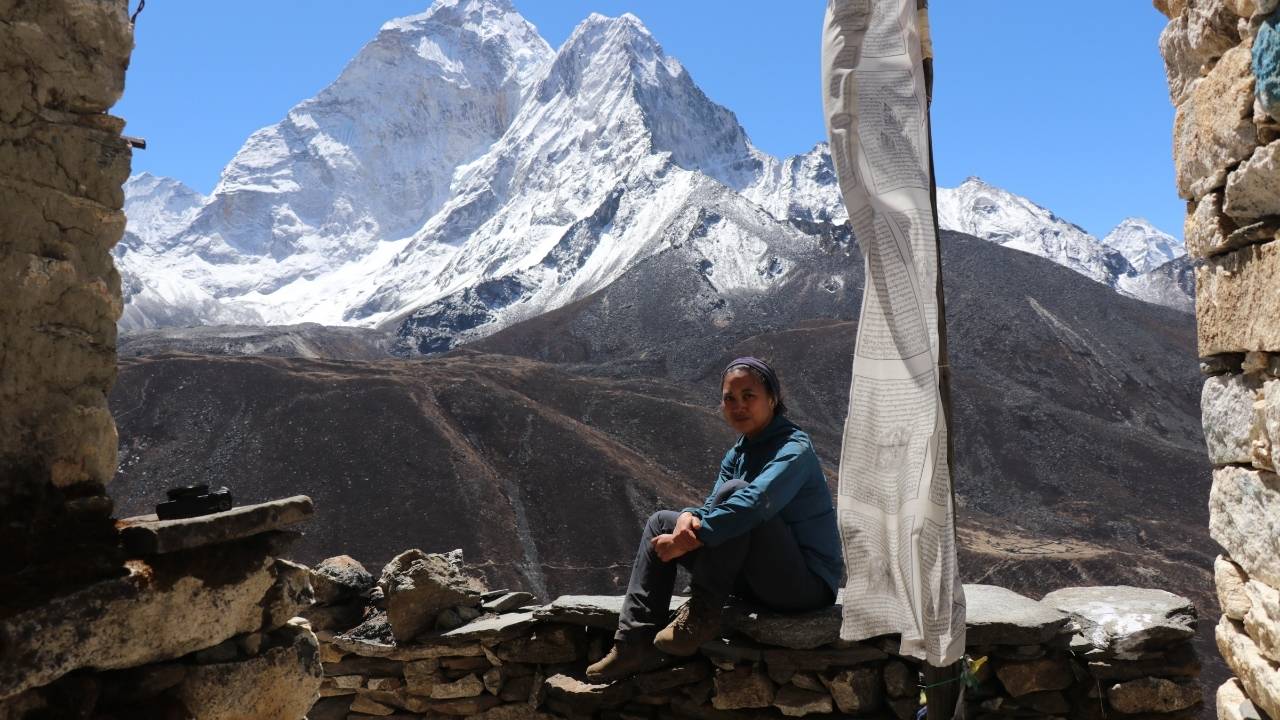
Several changes become noticeable around Everest Base Camp:
-
Thinner Air and Reduced Oxygen Availability: At 5,364 meters, atmospheric pressure is substantially lower than at sea level. Your lungs therefore take in less oxygen with each breath, which is one of the main reasons high-altitude walking feels different from hiking at lower elevations.
-
Slower Walking Pace: The same walking speed that feels comfortable at 2,000 to 3,000 meters may feel unnecessarily demanding near base camp. Trekkers generally walk more slowly, take shorter steps, and pause more often, particularly on rocky or uneven sections.
-
Greater Effort During Uphill Walking: Even relatively short climbs can require noticeably more energy. Your heart and breathing rate increase more quickly during exertion because the body is working to deliver sufficient oxygen to the muscles.
-
Breathing Feels More Demanding: During uphill sections or sustained walking, you may naturally breathe faster or more deeply. This is a normal response to the lower oxygen availability, although persistent or worsening breathing problems should never be ignored.
-
Cold Becomes a Bigger Factor: Everest Base Camp's elevation exposes trekkers to much colder conditions than those experienced in Kathmandu or the lower Khumbu. Temperatures can fall well below freezing, especially overnight and during early-morning hours, making good insulation and a proper sleeping system important.
-
Wind Can Intensify the Cold: The exposed landscape around base camp means strong Himalayan winds can make already-cold conditions feel significantly harsher. Wind protection becomes particularly important when spending time outside for photography, sightseeing, or the walk around base camp.
-
Sleep Can Be Less Comfortable: Sleeping at more than 5,000 meters can feel different from sleeping at lower elevations. Some trekkers may have lighter or more interrupted sleep as their bodies adjust to the reduced oxygen availability, while others may sleep relatively normally.
-
Recovery Takes Longer: After a demanding walking section, the body may need more time to recover. Rest periods therefore become more valuable, and maintaining a steady pace is generally more effective than trying to walk quickly and compensate with longer breaks.
-
Altitude Affects People Differently: There is no single way that 5,364 meters feels for every trekker. Fitness, previous high-altitude experience, rate of ascent, acclimatization, hydration, and individual response all influence how someone feels. Being physically fit can help with the trekking effort, but it does not guarantee immunity from altitude-related problems.
The important thing to understand is that the challenge of Everest Base Camp height comes primarily from the combination of high elevation, reduced oxygen availability, cold, and sustained physical effort. A well-designed itinerary therefore does more than take you from one village to another; it gives your body time to adjust before you reach the highest sections of the trek.
Does Everest Base Camp Height Make the Trek Difficult, and How Can You Prepare?
The 5,364 meter (17,598 feet) elevation of Everest Base Camp is one of the main reasons the trek is considered challenging. The difficulty is not simply the number on the elevation chart. By the time you reach base camp, you have spent several days gaining altitude, walking for multiple hours each day, crossing steep and uneven terrain, and adapting to progressively colder conditions and lower oxygen availability. The highest sections of the trek are therefore physically demanding even for people who regularly exercise or have previous hiking experience.
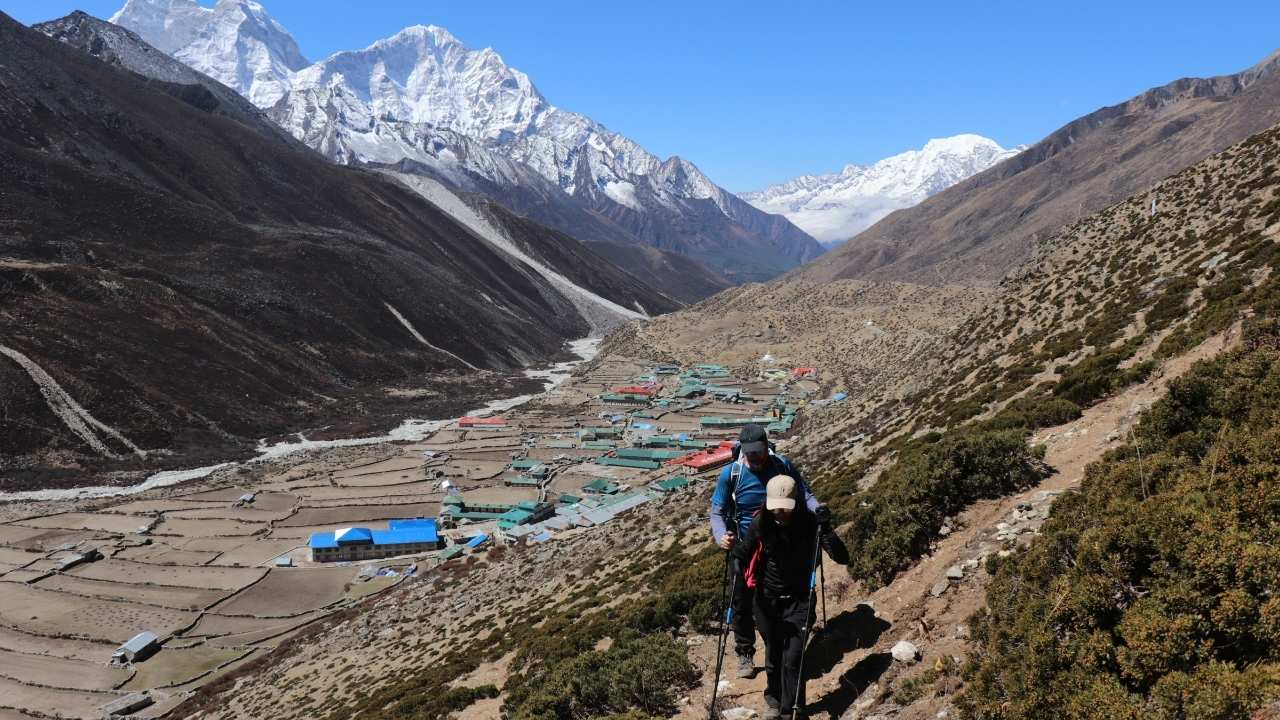
Why Does Everest Base Camp Height Make the Trek Difficult?
-
Reduced Oxygen Availability: At 5,364 meters, atmospheric pressure is much lower than at sea level, so each breath provides less oxygen to the body. This can make sustained physical activity more demanding and is the primary reason altitude becomes such an important part of the trek.
-
Long Trekking Days: The approach to base camp includes several days of approximately 5 to 6 hours of walking, while the Lobuche to Gorak Shep to Everest Base Camp route can take around 8 to 9 hours depending on conditions and walking pace. Walking for this long at high altitude requires both endurance and good pacing.
-
Continuous Elevation Gain: From Lukla at 2,860 meters (9,383 feet), the route climbs to Namche Bazaar at 3,440 meters, Dingboche at 4,410 meters, Lobuche at 4,910 meters, and finally Everest Base Camp at 5,364 meters. The elevation is gained progressively, but the cumulative effect becomes increasingly noticeable above 4,000 meters.
-
Steep and Uneven Terrain: The trail includes stone steps, rocky paths, suspension bridges, moraine sections, and repeated uphill and downhill stretches. The terrain itself is manageable for most prepared trekkers, but it becomes more tiring when combined with high altitude.
-
Cold and Changing Weather: Temperatures drop significantly as elevation increases. Near base camp, early mornings and nights can be extremely cold, while wind can make exposed sections feel even colder. Proper insulation and suitable sleeping equipment are therefore essential.
-
Individual Response to Altitude: People respond differently to high elevation. Someone who is physically fit may still struggle with altitude, while another person with less trekking experience may adapt relatively well. Your rate of ascent and acclimatization are therefore just as important as your fitness level.
-
Fitness Does Not Prevent Altitude Sickness: Cardiovascular fitness can make the walking easier, but it does not guarantee protection from altitude-related illness. Altitude sickness can affect otherwise healthy and physically fit trekkers, which is why acclimatization, gradual ascent, and paying attention to how you feel are essential.
How to Prepare for Everest Base Camp Height?
Good preparation should focus on making your body capable of handling long walking days, sustained climbs, carrying a backpack, and repeated physical effort. Training cannot fully acclimatize you to altitude before the trek, but it can give you a stronger physical foundation.
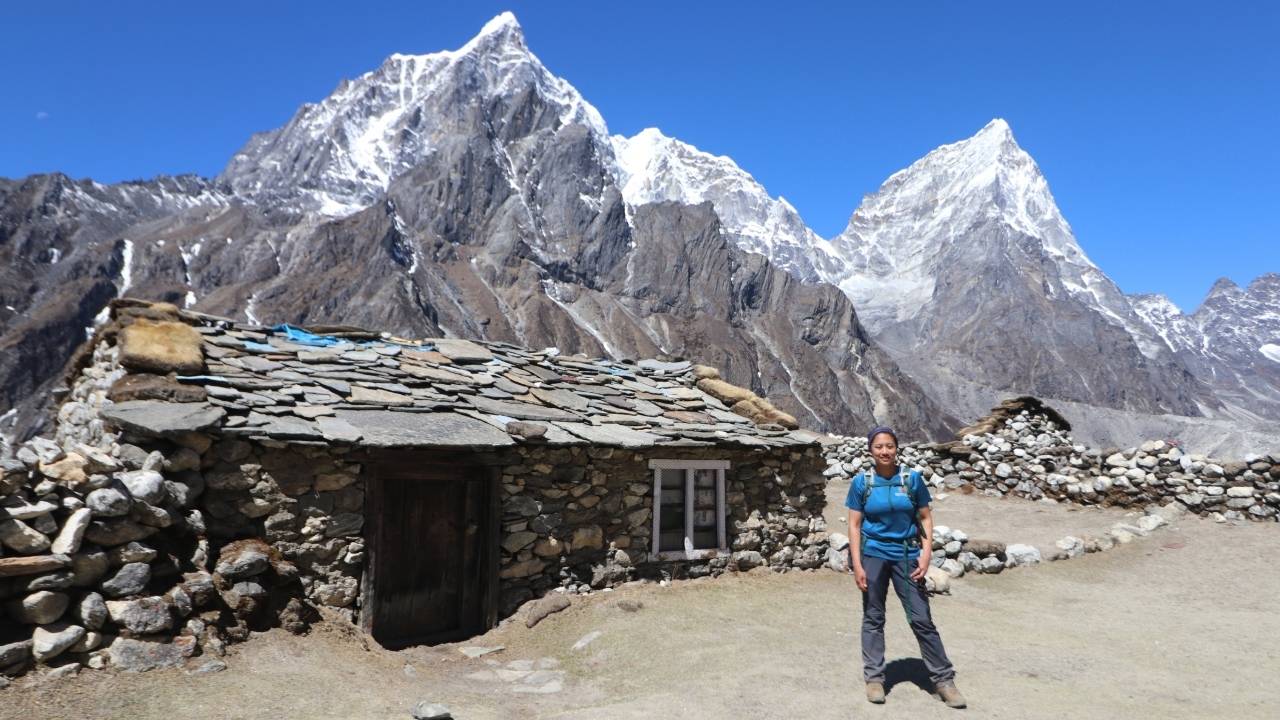
-
Build Cardiovascular Fitness: Include activities such as brisk walking, running, cycling, swimming, or stair climbing several times per week. The goal is to improve your ability to sustain moderate physical effort for extended periods.
-
Practice Long-Distance Walking: Regular hiking is particularly useful because it allows you to train for the actual movement patterns of the trek. Gradually increase your walking duration and include uphill sections where possible.
-
Develop Leg Strength and Endurance: Squats, lunges, step-ups, and other appropriate strength exercises can help prepare your legs for the repeated ascents and descents along the trail.
-
Train With a Backpack: Practice some longer hikes while carrying a backpack similar to what you expect to carry during the trek. This helps your shoulders, back, hips, and legs adapt to additional weight.
-
Learn to Pace Yourself: Avoid treating the early days as a race. A steady, sustainable pace becomes increasingly important as you climb above 3,000 and 4,000 meters. The objective is to conserve energy for the higher sections rather than exhausting yourself at the beginning.
-
Allow Adequate Rest: The standard route includes an acclimatization day at Namche Bazaar (3,440 m), and well-planned itineraries provide additional time for the body to adjust before reaching the highest elevations. Use rest days for recovery rather than treating them as opportunities for strenuous activity.
-
Stay Adequately Hydrated: Regular fluid intake is important during high-altitude trekking. Drink consistently throughout the day and avoid relying solely on thirst as an indicator.
-
Prepare for Cold Conditions: Bring a suitable layering system, warm insulated clothing, gloves, a hat, quality trekking socks, and a properly rated sleeping bag. Staying warm becomes particularly important at the higher overnight stops.
-
Understand Altitude-Related Symptoms Before Departure: Learn the early warning signs of altitude illness and tell your guide promptly if you feel unwell. Do not assume that a problem is simply caused by tiredness, and do not continue ascending if significant symptoms are developing.
Ultimately, physical preparation makes the walking component of the Everest Base Camp Trek easier, but acclimatization makes the high-altitude component safer and more manageable. You cannot train yourself to reproduce 5,364 meter conditions at home; the most important preparation for the altitude itself happens progressively during the trek through a sensible itinerary, controlled pace, adequate rest, and careful monitoring of your body's response.