

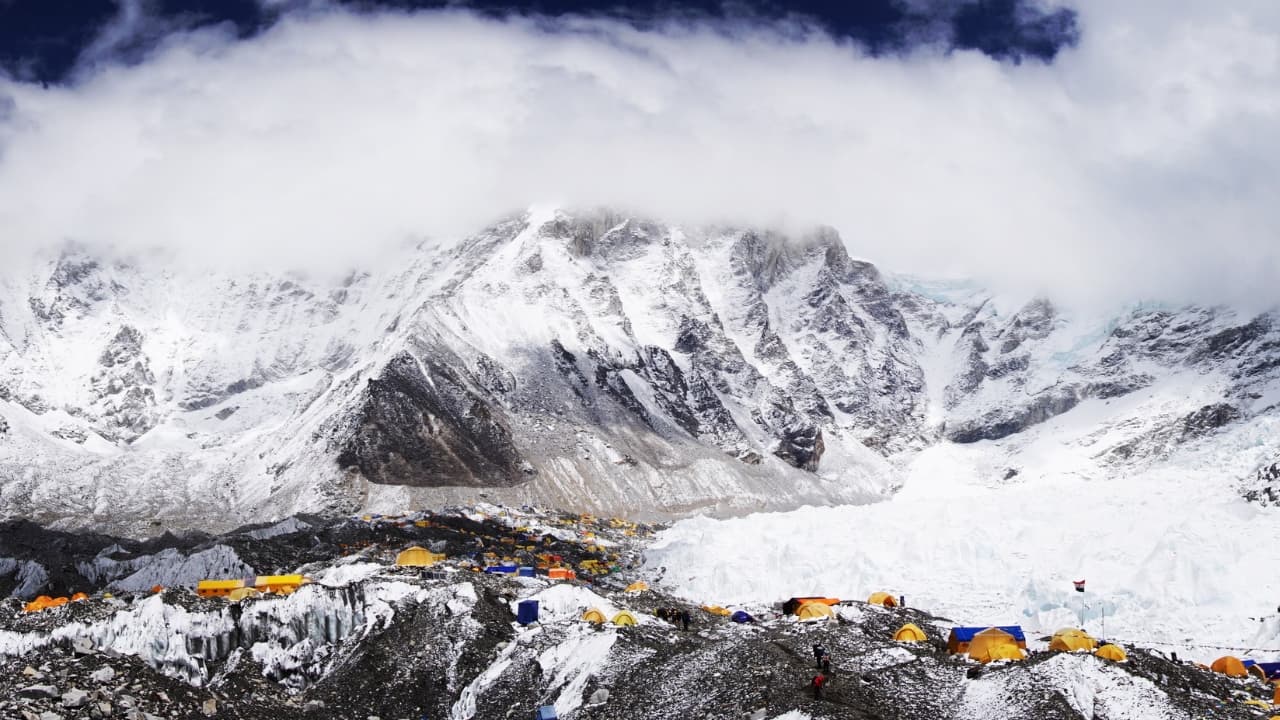
If you are thinking about trekking to Everest Base Camp in November, the first thing to understand is that November is not one uniform experience from the 1st to the 30th. It starts as an extension of Nepal's busy autumn trekking season and gradually begins to feel like winter. Early November can still bring plenty of trekkers to the trail, while by the final weeks the Khumbu becomes quieter, the mornings get harder to leave, and temperatures at the higher stops can drop well below freezing.
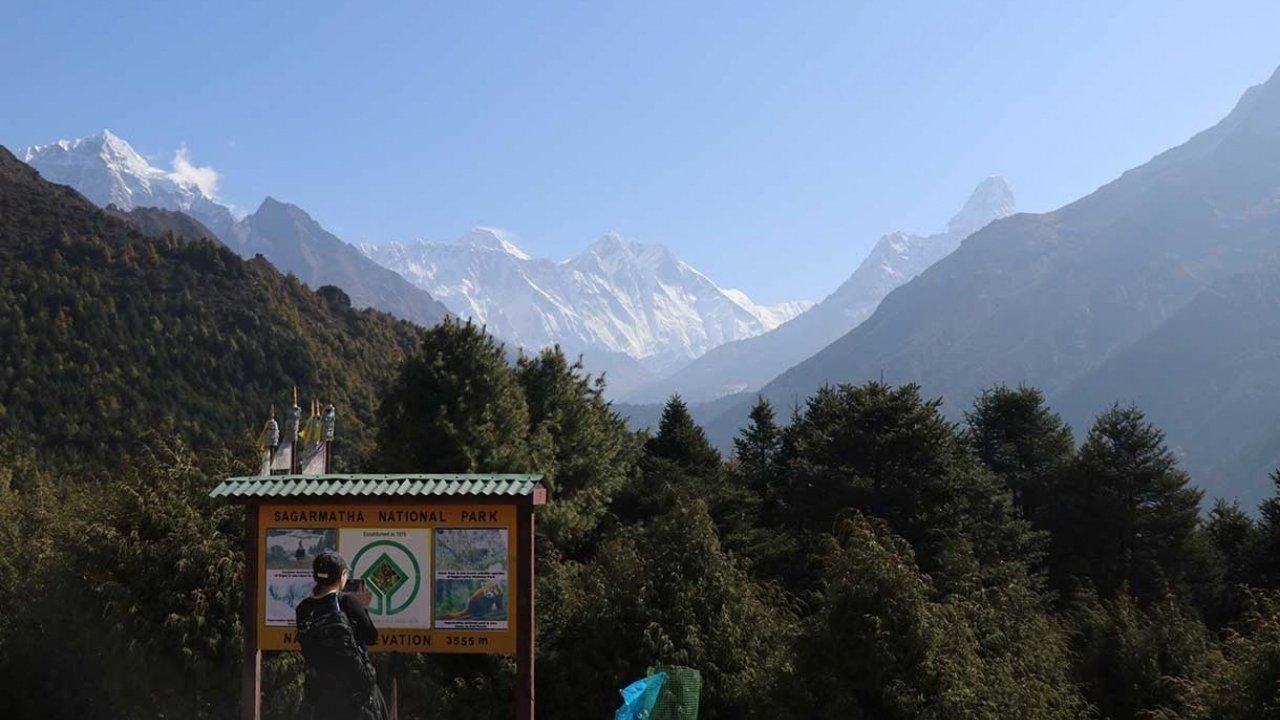
The big attraction is the weather. The monsoon has long passed, leaving generally dry trails and some of the clearest mountain views of the year. From Namche Bazaar at 3,440 meters to Kala Patthar at 5,550 meters, clear mornings can reveal sharp views of Everest, Lhotse, Nuptse, Ama Dablam, and the surrounding peaks. For many trekkers, this visibility is one of the main reasons to choose November.
But November also means cold, especially once you move above Dingboche. Daytime can still feel comfortable when the sun is out, yet temperatures drop quickly after sunset, with nights around Gorak Shep and Everest Base Camp commonly falling well below freezing. You are therefore trading some warmth for dry conditions and excellent visibility. The classic route takes around 12 to 14 days, covering roughly 130 km round trip, with acclimatization stops at Namche Bazaar and Dingboche before reaching Everest Base Camp at 5,364 meters.
If you are comfortable with cold mornings and properly prepared for high-altitude trekking, November offers a strong balance of clear skies, dry trails, dramatic mountain scenery, and gradually quieter trails as winter approaches.
Everest Base Camp Trek in November Package Overview
The Everest Base Camp Trek in November takes you from the lower Khumbu around Lukla into increasingly high and rugged terrain, passing through Namche Bazaar, Tengboche, Dingboche, Lobuche, and Gorak Shep before reaching Everest Base Camp at 5,364 meters. November usually brings dry trails and excellent visibility, although temperatures become progressively colder as you gain elevation.
With acclimatization built into the itinerary, the trek typically takes around two weeks. The biggest change from the lower valleys to the upper Khumbu is temperature: sunny afternoons can still be pleasant for walking, but mornings and nights become increasingly cold, particularly above Dingboche.
|
Trek Detail |
November Overview |
|
Duration |
12 to 14 days, depending on the itinerary, acclimatization schedule, and Lukla flight conditions |
|
Starting Point |
Lukla, reached by a short domestic flight from Kathmandu |
|
Highest Point |
Kala Patthar (5,550m/ 18,208ft), with Everest Base Camp at 5,364m/ 17,598ft |
|
Typical Walking Time |
Around 5 to 7 hours per day, with longer days on the trek to Everest Base Camp and Kala Patthar |
|
Main Route |
Lukla → Phakding → Namche Bazaar → Tengboche → Dingboche → Lobuche → Gorak Shep → Everest Base Camp → Kala Patthar → Lukla |
|
Landscape |
Dudh Koshi valleys, pine and rhododendron forests, alpine meadows, glacial valleys, moraines and high Himalayan terrain |
|
Cultural Experience |
Sherpa villages, Buddhist monasteries, prayer wheels, mani walls, teahouse stays and traditional Khumbu communities |
|
Major Attractions |
Everest Base Camp, Kala Patthar, Namche Bazaar, Tengboche Monastery, Ama Dablam, Everest, Lhotse, Nuptse and Khumbu Glacier |
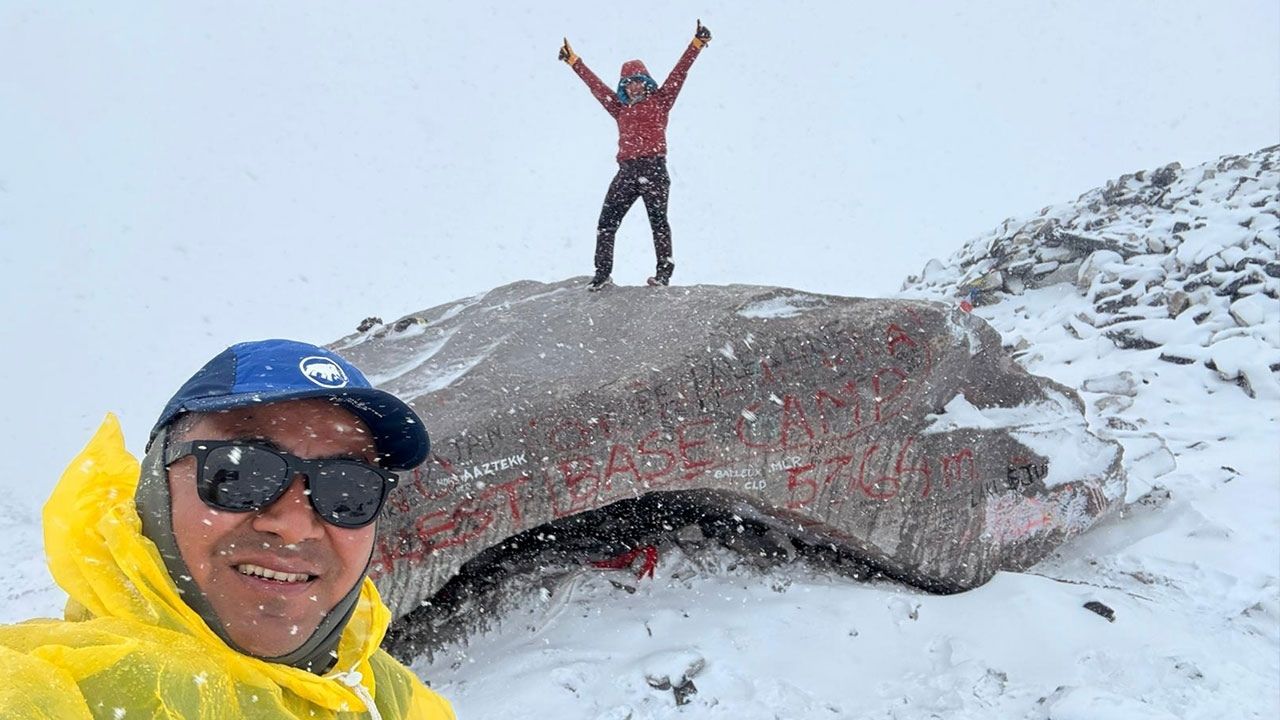
At 5,364 meters, Everest Base Camp is the trek's main destination, while Kala Patthar at 5,550 meters provides one of the highest accessible viewpoints on the standard route. November's generally dry conditions and clear mountain atmosphere can make the views particularly impressive, but the cold becomes a serious consideration at these elevations.
The combination of Sherpa culture, dramatic Himalayan scenery, high-altitude walking, and November's increasingly crisp conditions makes this a very different experience from trekking in the warmer months.
Khumbu Region Weather in November
November is generally dry in the Khumbu, but don't let the word autumn fool you into expecting mild mountain weather all the way to Everest Base Camp. The lower trail can still feel comfortable in the afternoon, particularly when the sun is out, while the temperature drops quickly once you climb above Namche. At higher elevations, cold becomes a daily part of the trek rather than something you only notice at night.
Namche Bazaar, at 3,440 meters, averages around 3°C during the day and -9°C at night in November, although actual conditions can vary considerably. Historical records show that even Namche has experienced November nights as cold as -16°C.
|
Location |
Approx. November Temperature |
|
Lower trail areas |
Around 10°C to 20°C during the day |
|
Namche Bazaar (3,440m/ 11,286ft) |
Around 3°C to 10°C |
|
Tengboche (3,867m/ 12,687ft) |
Around 0°C to 7°C |
|
Dingboche (4,410m/ 14,468ft) |
Around -2°C to 6°C |
|
Lobuche (4,910m/ 16,108ft) |
Around -5°C to 3°C |
|
Gorakshep (5,164m/ 16,942ft) |
Around -8°C to 1°C |
|
Early morning at Gorak Shep/ Everest Base Camp |
Around -10°C to -15°C |
These are approximate planning ranges rather than fixed forecasts. Sunshine, wind, altitude, snowfall, and the time of November can produce significant differences from one day to another.
The important thing about November weather is the contrast between sunlight and shade. You may start walking in a freezing morning, warm up quickly on an uphill section, and then feel the temperature drop again when the trail moves into shadow. Once you reach the upper Khumbu, wind can make otherwise manageable temperatures feel considerably colder.
Rain is generally not the major concern in November. Namche averages only around 13 mm of precipitation over roughly two days during the month, making November its driest period. The bigger weather concerns are cold, wind, occasional snowfall, and rapidly changing conditions at high altitude. Heavy winter snow is uncommon but possible in the Everest region, so November should not be treated as a guaranteed clear-weather month.
Highlights of Everest Base Camp Trek in November
November is often overlooked because October gets much of the attention as Nepal's peak trekking month. But if you don't mind colder mornings, November can give you something that the busiest part of autumn cannot: excellent mountain visibility without the same level of trail traffic. The difference becomes more noticeable as the month progresses. Early November can still be busy, but by the latter half, fewer trekkers are moving through the Khumbu and the atmosphere becomes considerably calmer.
-
Quieter Trails Without Giving Up the Classic EBC Experience
This is probably November's biggest advantage. You don't need to switch to a remote alternative route to find some solitude; you can walk the same classic Lukla to Everest Base Camp trail that draws trekkers in spring and autumn. The first half of November can remain fairly busy, but trail traffic generally drops later in the month as temperatures fall. That can mean fewer people around popular viewpoints, less competition for space in teahouses, and a more relaxed pace through villages.
-
Clear Mountain Views Are Still a Major Part of the Deal
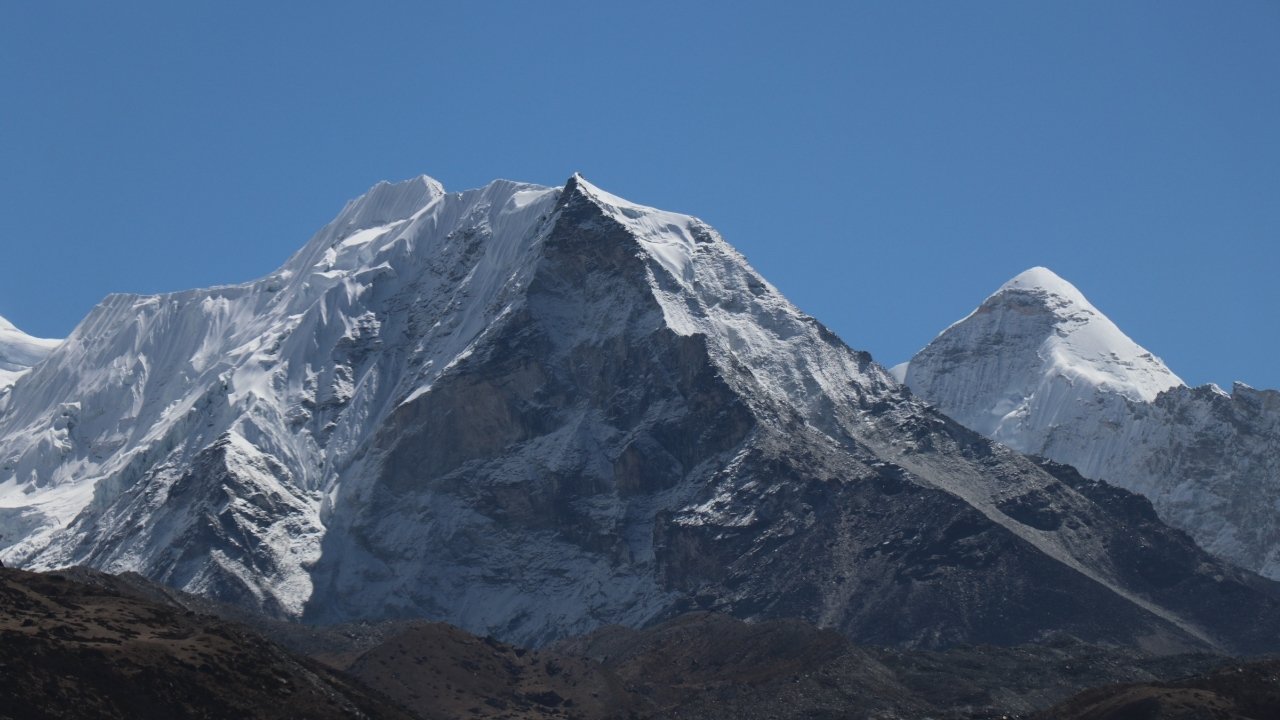
Choosing a quieter month does not mean sacrificing the scenery. November follows the monsoon and generally retains the dry, clear conditions that make autumn such a popular trekking season. On clear days, you can see Everest, Lhotse, Nuptse, Ama Dablam, Pumori, Thamserku, and other Khumbu peaks with impressive definition. The views from Tengboche, Dingboche, the trail toward Lobuche, Kala Patthar, and the approach to Everest Base Camp can be especially rewarding. For photographers, there is an additional advantage: fewer people in the foreground of those famous mountain viewpoints.
-
A Better Balance Between Weather and Crowds
There is a reason November works well for trekkers who want something quieter without going fully into the winter season. October and early November generally sit within the busiest autumn period, while December brings substantially colder winter conditions. November occupies the space between them. You can therefore get many of the dry-weather benefits associated with autumn while accepting that temperatures will be lower, particularly above 4,000 meters. This is not a month to choose if warmth is your priority, but it can be an appealing compromise if you value clear skies and lower trail traffic more.
-
Experience the Khumbu Before Winter Takes Over
Late November has a noticeably different atmosphere from the beginning of the month. The higher valleys become colder, daylight feels more precious, and evenings naturally revolve around the warmth of the teahouse rather than outdoor activity. That seasonal transition can actually add to the experience. You are also experiencing the Khumbu just before the full winter season takes hold. Snowfall is possible at high elevations, so conditions cannot be guaranteed, but November generally offers a more accessible window than the colder months that follow.
-
More Breathing Room at Popular Stops
The busiest trekking periods can make accommodation and popular stops feel surprisingly crowded. In November, particularly later in the month, declining visitor numbers can make the daily rhythm of the trek more comfortable. Namche Bazaar, Tengboche, Dingboche, and the higher settlements remain important stops rather than becoming deserted, so you retain the social side of teahouse trekking. The difference is that you are less likely to feel as though the entire trekking population has arrived at the same village with you. For trekkers who enjoy meeting people but don't want a Himalayan trail that feels like a queue, this middle ground can be appealing.
-
Reach Everest Base Camp With Fewer People Around You
The final approach to Everest Base Camp is one of the places where the quieter-season advantage becomes most meaningful. From Gorak Shep, the trail crosses the stark terrain around the Khumbu Glacier before reaching Everest Base Camp at 5,364 meters. You are still unlikely to have the place entirely to yourself, especially in early November, but late-season trekking can reduce the number of people sharing the experience. The result is less about getting a perfectly empty Base Camp photograph and more about having a little more space to absorb where you actually are.
-
November Works Particularly Well for Flexible Trekkers
November is not necessarily the month for everyone. If you want the warmest possible conditions or dislike cold mornings, another season may suit you better. But if you are willing to trade some warmth for clear skies, dry trails, fewer trekkers, and a quieter high-altitude experience, November becomes much more interesting. The sweet spot is generally the latter part of the month, when the main autumn rush has eased, but the Khumbu has not yet entered the deepest winter period. You should simply plan more carefully for cold temperatures, shorter daylight, and the possibility of weather-related changes at higher elevations.
Is November Everest Base Camp Trek Worth It?
Yes, the November EBC Trek is certainly worth it, especially if you want the classic experience with a quieter atmosphere and don't mind the cold. November gives you an interesting middle ground: the heavy monsoon has long passed, visibility is usually excellent, and the main trekking infrastructure is still operating, but visitor numbers begin to fall as winter approaches.
The biggest advantage is the combination of scenery and space. You can still get the clear Himalayan conditions that make the autumn season so popular, while late November offers a noticeably calmer experience than the busiest weeks of October and early November. You may spend less time walking in a stream of trekkers and more time actually noticing the changing landscape, from the forests around Namche to the exposed valleys above Dingboche.
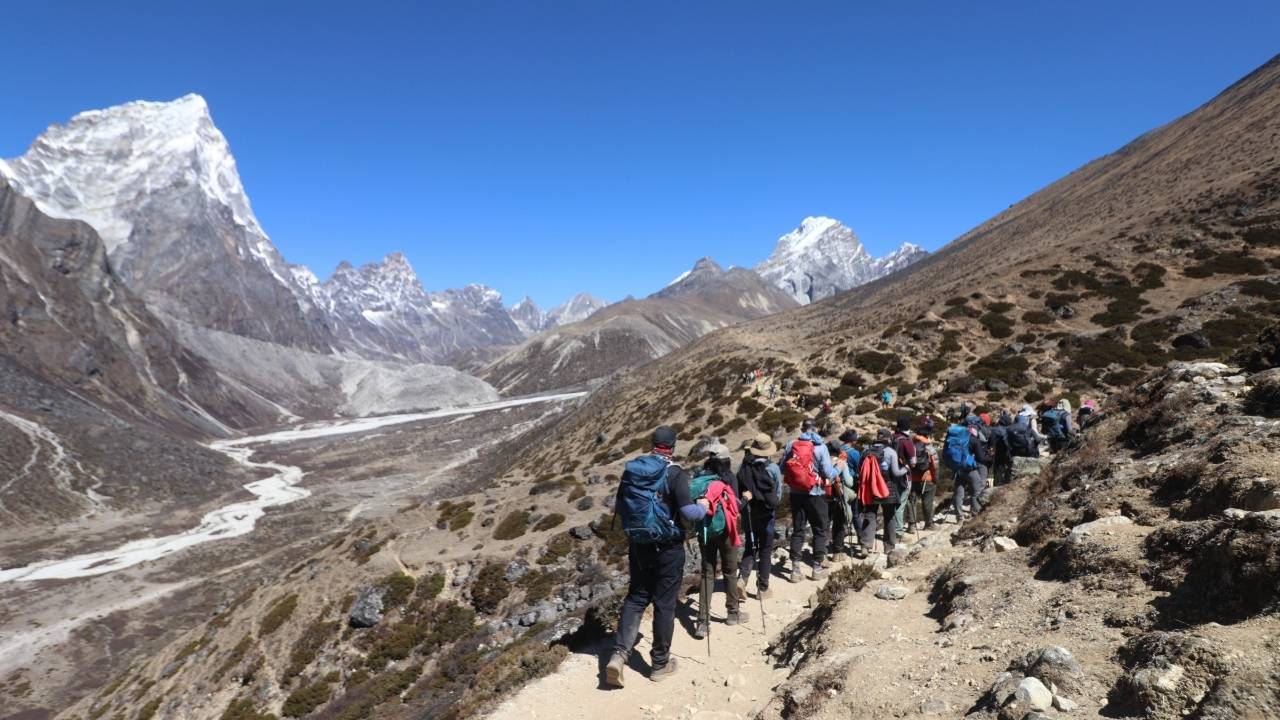
The trade-off is temperature. At 5,364 meters, Everest Base Camp is already a cold environment, and late November can bring freezing conditions around Gorak Shep and the Base Camp area, particularly before sunrise and after sunset. If you are comfortable carrying proper cold-weather gear and starting your mornings in sub-zero temperatures, this is manageable; if you strongly prefer warmer trekking conditions, November's appeal becomes less convincing.
There is also a practical advantage to going before winter fully settles in. The classic route remains well established, with teahouses and services operating along the main trail, while the later part of November generally has fewer trekkers than peak autumn. Weather can never be guaranteed in the Himalayas, and late-season snow or flight disruptions are possible, but November generally avoids the persistent monsoon rainfall that affects summer trekking.
EBC Trek Difficulty in November
The Everest Base Camp Trek is generally considered a moderate to demanding high-altitude trek, and November does not make the route technically harder so much as it changes how your body handles the journey. You are walking for several hours a day, gaining altitude steadily, and eventually spending nights above 4,500 meters. The highest point of the standard route is Kala Patthar at 5,550 meters (18,208 feet), while Everest Base Camp itself sits at 5,364 meters (17,598 feet). For most trekkers, altitude and endurance are bigger concerns than technical terrain.
The trek starts relatively gently around Lukla at 2,860 meters, but the elevation builds quickly. After reaching Namche Bazaar at 3,440 meters, you continue through Tengboche, Dingboche, Lobuche, and Gorak Shep, with the trail becoming increasingly rocky, exposed, and physically demanding. Some days may involve 5 to 7 hours of walking, and the final stretch from Gorak Shep to Everest Base Camp and the climb to Kala Patthar can feel particularly strenuous because of the thin air.
November's dry conditions can actually make the walking surface easier than during wetter months. You are less likely to deal with persistent rain or muddy trails, and the firm ground is generally favorable for long-distance trekking. The trade-off is cold. Early starts can be freezing, and temperatures around the upper settlements can fall well below 0°C at night. By late November, shorter daylight hours and colder mornings can make you less eager to start walking, even when the trail itself is in good condition.
Altitude deserves more attention than the cold. The itinerary normally includes acclimatization days around Namche Bazaar and Dingboche, giving your body time to adjust before you move higher. You should still expect slower walking, heavier breathing, and reduced energy at altitude. Trying to maintain the pace you would use at sea level is one of the easiest ways to turn a manageable trekking day into an exhausting one.
For a reasonably fit trekker who allows enough time for acclimatization, November is a realistic month for EBC. The main challenge is accepting that the higher you go, the slower and colder the trek becomes. If you are prepared for long walking days, sub-zero mornings, altitude, and the possibility of late-November weather changes, the physical difficulty is manageable without technical climbing skills.
Training and Preparation for the Everest Base Camp Trek in November
You do not need to be an athlete for the Everest Base Camp Trek, but you should be comfortable walking 5 to 7 hours a day over consecutive days. Ideally, start training 3 to 6 months before the trek, with a combination of uphill walking, stair climbing, cardio, and leg-strength exercises. Aim for 3 to 4 cardio sessions per week and 2 to 3 strength sessions, focusing on step-ups, squats, lunges, calf raises, and core work. As your trek approaches, add longer hikes of 4 to 7 hours with a 5 to 8 kg daypack. This gives you a realistic feel for the sustained climbs and descents you will encounter in the Khumbu.
November also means preparing specifically for freezing mornings and cold nights. Test your layering system, gloves, trekking boots, and sleeping bag before the trek rather than waiting until you are above 4,000 meters. Good cold-weather gear can make an early start from Dingboche or Lobuche considerably easier.
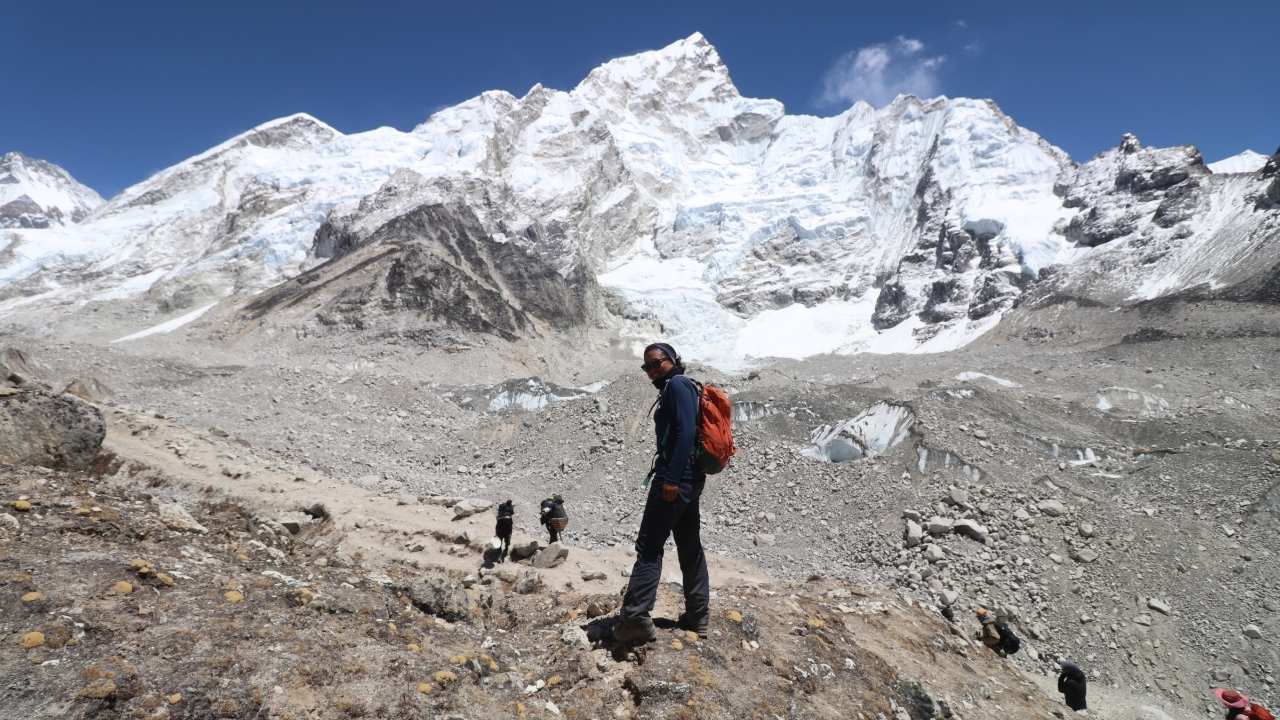
Fitness, however, cannot eliminate the effects of altitude. The itinerary's acclimatization days at Namche Bazaar (3,440m) and Dingboche (4,410m) are essential. Walk at a steady pace, stay hydrated, eat adequately, and pay attention to symptoms such as headache, nausea, dizziness, or unusual fatigue. If altitude sickness symptoms worsen, ascending further is not appropriate.
Your goal is simple: arrive at Lukla fit enough to walk steadily, recover between days, and handle the November cold without exhausting yourself.
Packing Suggestion for November
Packing for the Everest Base Camp Trek in November means preparing for mild-to-cold daytime conditions at lower elevations and freezing temperatures in the upper Khumbu. The key is layering: you should be able to walk comfortably in the afternoon, add insulation at higher elevations, and stay warm during freezing mornings and nights. Keep your main luggage as light as possible and prioritize gear that directly helps with cold, altitude, and long walking days.
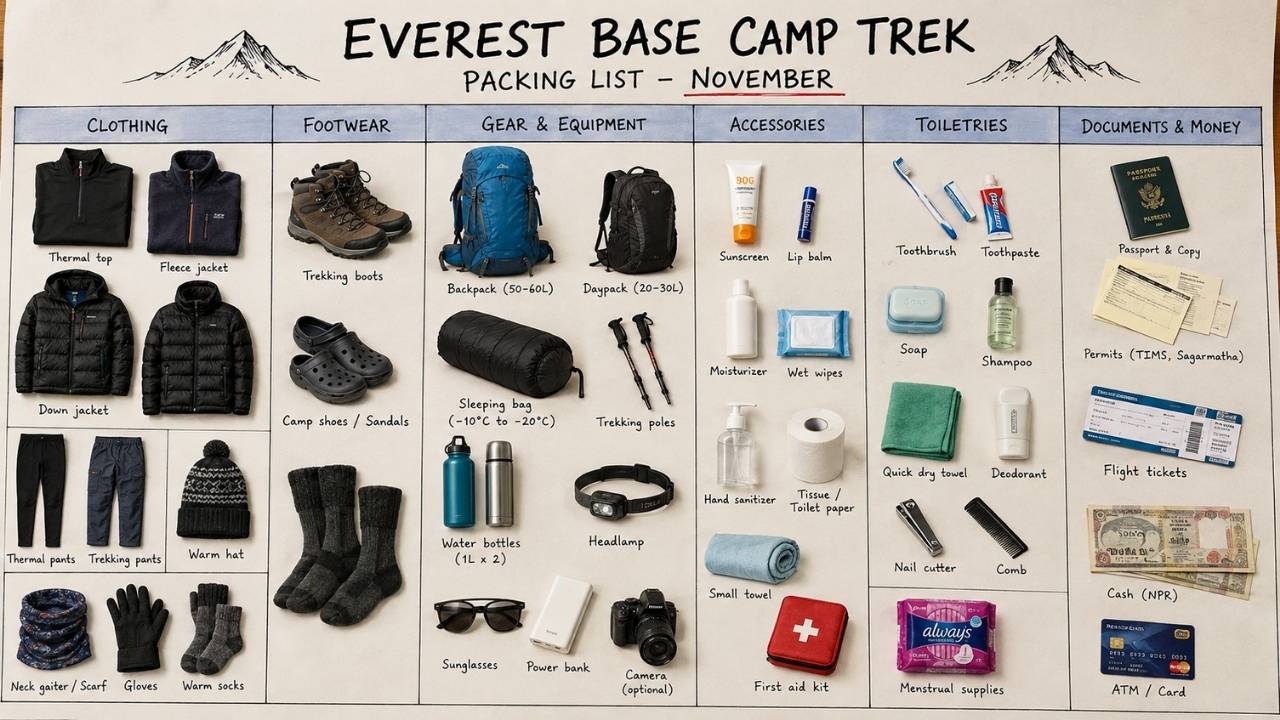
Clothing and Layering System
-
Moisture-wicking trekking T-shirts and long-sleeve shirts
-
Thermal base-layer top and bottom
-
Fleece or insulating mid-layer
-
Warm down or synthetic insulated jacket
-
Waterproof and windproof outer shell
-
Comfortable trekking trousers
-
Warm trekking socks and spare pairs
-
Woolen hat or beanie
-
Insulated gloves with optional inner liners
-
Buff or neck gaiter
-
Comfortable clothes for sleeping
Trekking Footwear
-
Well-broken-in trekking boots with good ankle support and grip
-
3 to 4 pairs of moisture-wicking trekking socks
-
Lightweight sandals or camp shoes
-
Blister plasters and foot-care supplies
-
Optional gaiters for snow or cold conditions
Backpack and Trekking Equipment
-
25 to 35 liter daypack if using a porter
-
Duffel bag or larger pack for porter-carried belongings
-
Waterproof backpack cover
-
Dry bags for electronics and important items
-
Trekking poles
-
Headlamp with spare batteries
-
Small waterproof pouch for valuables
Cold-Weather and Sleeping Gear
-
Sleeping bag rated around -10°C to -15°C
-
Warm thermal layers for sleeping
-
Insulated jacket for early mornings and evenings
-
Warm gloves and thick socks
-
Lightweight sleeping-bag liner if you need additional warmth
**Note: Check with your trekking company whether a sleeping bag, down jacket, and duffel bag are included or available for hire before purchasing or carrying your own. Eco Holidays Nepal provides sleeping bag, down jacket, duffel bag and walking poles foe the trek**
Sun, Water and Altitude Essentials
-
Reusable water bottle or hydration bladder
-
Water purification tablets, drops, or filter
-
UV-protection sunglasses
-
Sunscreen (SPF 30 to 50)
-
SPF lip balm
-
Moisturizer for dry, cold conditions
-
Electrolyte sachets
-
Water bottles that will not easily freeze overnight
Personal Hygiene and First Aid
-
Travel-sized toiletries
-
Quick-drying towel
-
Hand sanitizer and wet wipes
-
Toilet paper or pocket tissues
-
Personal medications
-
Basic first-aid kit
-
Blister treatment
-
Small rubbish bag for personal waste
Documents, Money and Electronics
-
Passport and required trekking permits
-
Travel insurance covering high-altitude trekking and emergency evacuation
-
Sufficient Nepali cash for showers, charging, snacks, and other expenses
-
Mobile phone and charging cable
-
Power bank
-
Camera and spare batteries or memory cards
-
Universal adapter if required
-
Offline maps and downloaded trekking information
Food and Useful Trail Extras
-
Energy bars, nuts, and trail mix
-
Chocolate or other lightweight high-energy snacks
-
Reusable snack pouch
-
Earplugs for shared teahouse rooms
-
Small personal lock
-
Compact notebook and pen
-
Optional binoculars for mountain viewing
Tips for November Everest Base Camp Trek
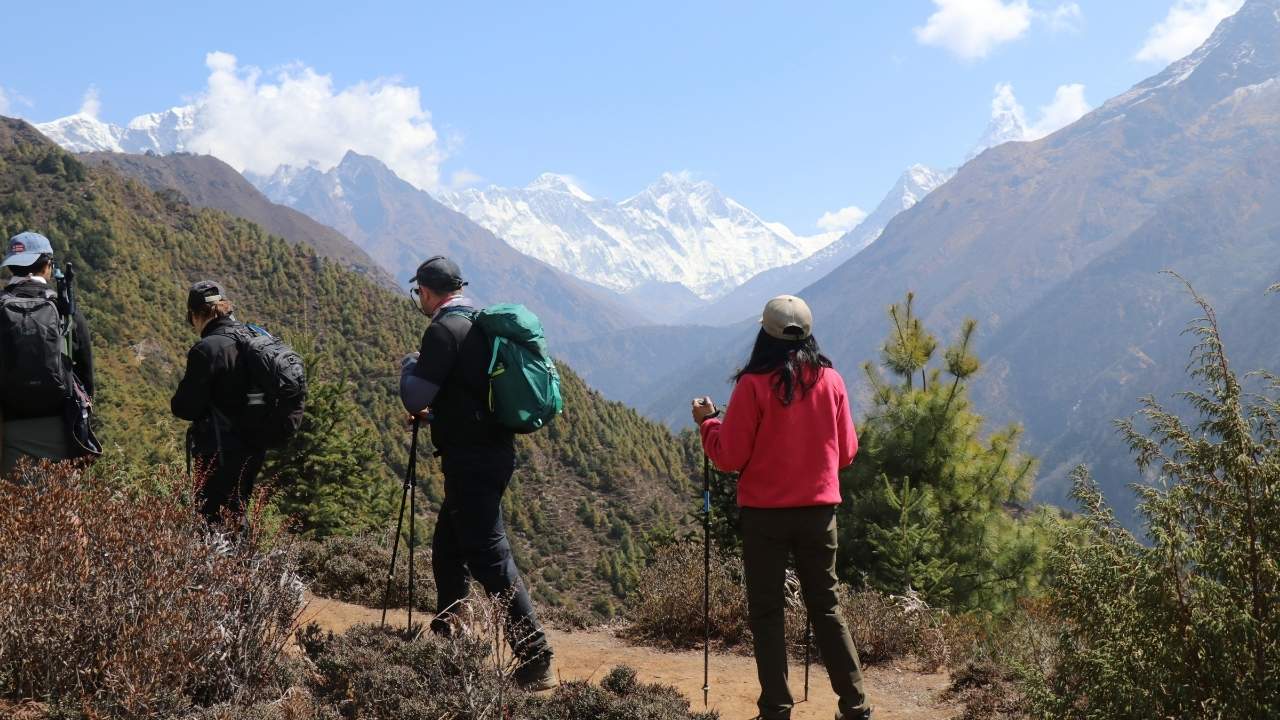
November can give you some of the clearest and driest trekking conditions in the Everest region, but the experience becomes increasingly cold as the month progresses. These practical tips will help you make the most of the conditions without overcomplicating your trek.
-
Start Walking Early: Begin your trekking days early enough to take advantage of daylight and reach your next teahouse before temperatures drop in the afternoon. Early starts are especially useful for the Gorak Shep to Everest Base Camp to Kala Patthar sections.
-
Keep Your Warmest Gear Accessible: Keep your down jacket, gloves, beanie, and thermal layers in your daypack rather than buried in your duffel. You will want them readily available during cold mornings, breaks, and evenings.
-
Take Altitude Seriously: Once you are above 3,000 meters, maintain a steady pace and avoid pushing yourself to keep up with faster trekkers. Your itinerary should include proper acclimatization at Namche Bazaar and Dingboche.
-
Layer Throughout the Day: November temperatures can change dramatically between sunny and shaded sections. Start with lighter layers and add insulation as you gain elevation or the sun disappears.
-
Protect Yourself From the Sun: Cold temperatures can make you underestimate the strength of high-altitude UV exposure. Use sunscreen, SPF lip balm, sunglasses, and cover exposed skin even on cloudy-looking mornings.
-
Book Earlier if Trekking in Early November: The first half of November can still see substantial autumn-season traffic. If you prefer specific teahouses or are travelling with a larger group, arranging accommodation ahead of time gives you more flexibility.
-
Expect a Quieter Trail Later in November: If solitude is one of your priorities, the latter part of November can be appealing as visitor numbers decline. However, quieter trails come with colder conditions and potentially reduced services, so preparation becomes more important.
-
Carry Enough Nepali Cash: Keep sufficient cash for meals, charging, hot showers, snacks, and other expenses. Card and digital payment options become less dependable as you move higher into the Khumbu.
-
Keep Hydrating Even When You Are Not Thirsty: Cold weather can reduce your sense of thirst, while dry mountain air and exertion still increase fluid loss. Drink regularly throughout the day and keep your water accessible.
-
Watch Weather and Flight Conditions: November is generally dry, but Himalayan weather can change quickly. Keep some flexibility around the Lukla flights and avoid scheduling an important international connection immediately after your expected trek completion.
-
Carry a Small Buffer for the Unexpected: A spare day can protect your itinerary against flight delays, weather disruptions, or simply needing a slower day at altitude. This is particularly valuable when you have fixed international travel plans.
-
Do Not Chase the Schedule at High Altitude: Reaching Everest Base Camp on a particular day matters less than reaching it safely. If your body is struggling, slowing down or adjusting the itinerary is far more sensible than forcing yourself to maintain a predetermined pace.