Highlights of EBC Trek via Gokyo Valley Cho La Pass With Helicopter Return
Explore the Everest region through a more varied high-altitude route, combining the turquoise Gokyo Lakes, rugged Cho La Pass, Everest Base Camp and the iconic viewpoints of Gokyo Ri and Kala Patthar
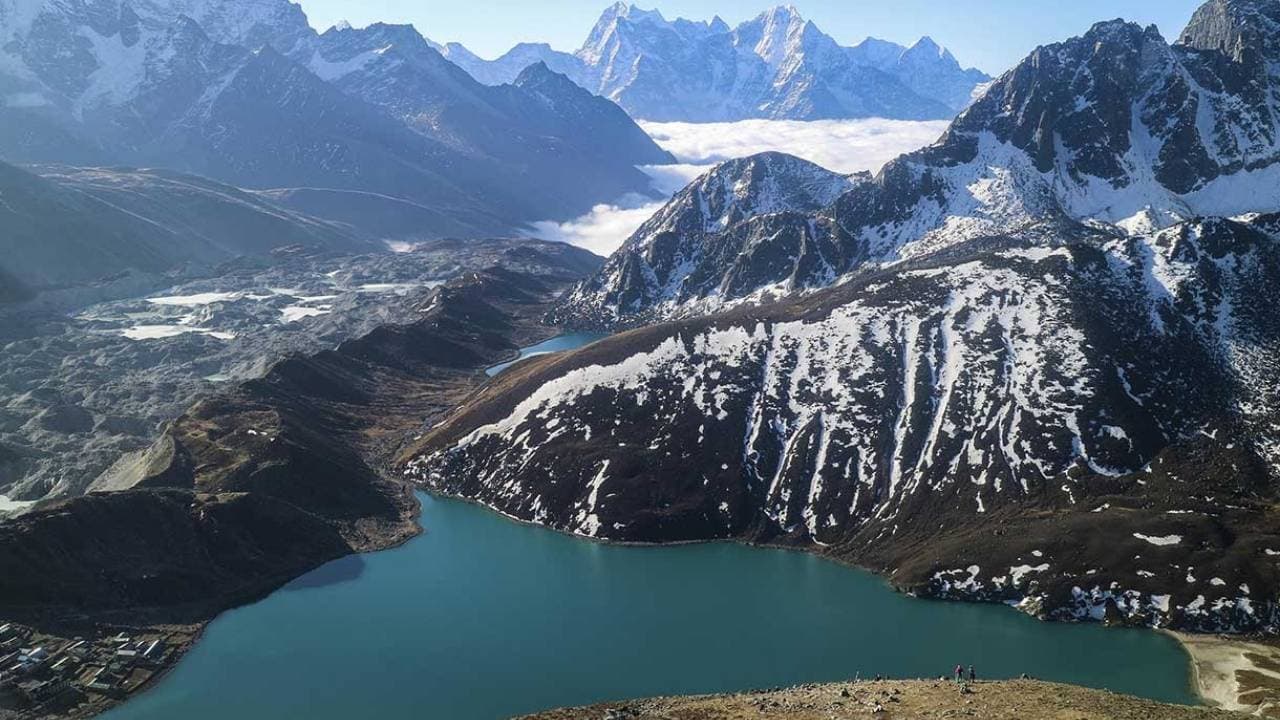
Reach Gokyo Valley at around 4,800 meters (15,748 feet) and experience its quieter mountain setting, surrounded by glacial lakes, moraines and some of the highest peaks in the Himalayas
Climb to Gokyo Ri at 5,357 meters (17,575 feet) for sunrise and take in a sweeping panorama of Everest, Lhotse, Makalu, Cho Oyu, Cholatse and other Himalayan giants
Cross Cho La Pass at 5,420 meters (17,782 feet), one of the most challenging sections of the journey, with steep high-altitude terrain, glacial landscapes and a dramatic transition from the Gokyo Valley toward the Everest Base Camp trail
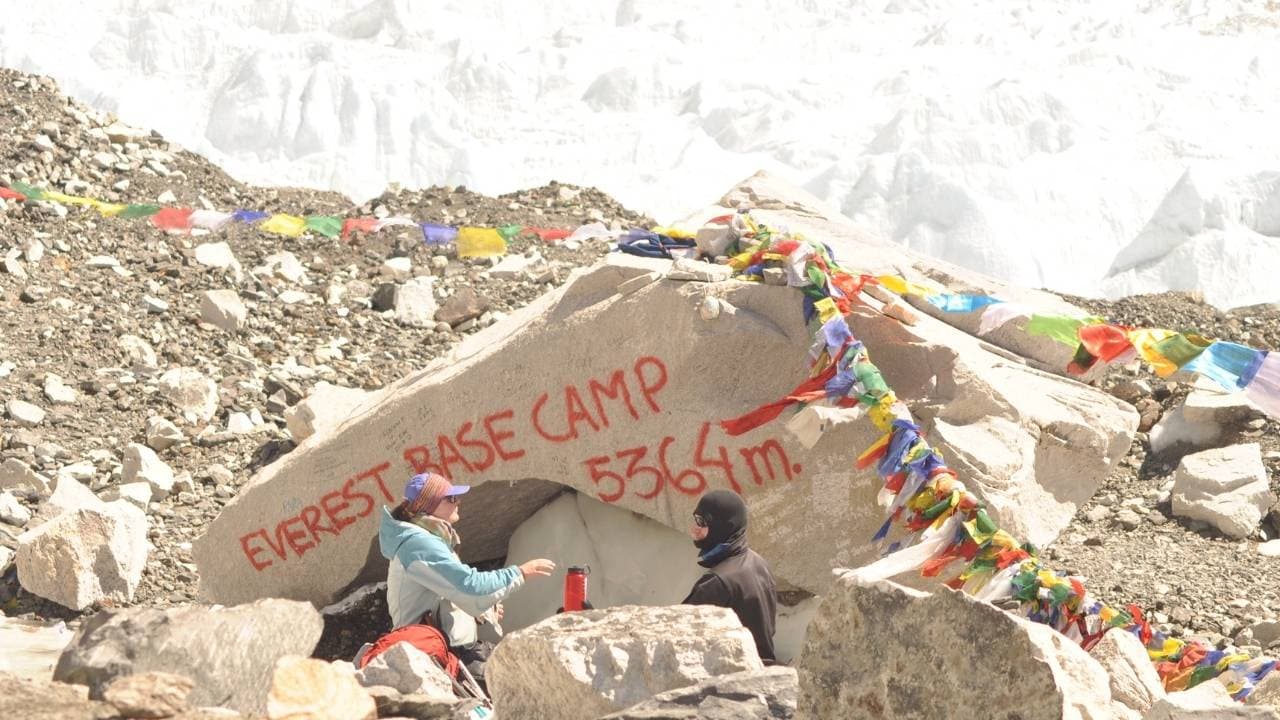
Visit Everest Base Camp at 5,364 meters (17,598 feet) and stand beside the Khumbu Glacier at the legendary starting point for Everest expeditions
Hike to Kala Patthar at 5,550 meters (18,208 feet) before sunrise for a close and expansive view of Mount Everest, Nuptse, Pumori, Lhotse and the surrounding Khumbu peaks
Follow the trail through important Sherpa settlements including Namche Bazaar, Dole, Machhermo, Gokyo, Thangnag, Dzongla, Lobuche and Gorakshep, experiencing the culture, traditions and local Himalayan lifestyle
Walk beside the Ngozumpa Glacier and Gokyo Lakes, then cross the rugged glacial terrain around Cho La Pass, which gives the trek a much broader landscape experience than the standard Everest Base Camp route
Experience the gradual transformation of the Khumbu landscape, from pine and rhododendron forests around the lower valleys to juniper-covered slopes, alpine meadows, rocky moraines and barren high-altitude terrain above 4,000 meters
Experience the cultural character of the Khumbu through Sherpa villages, Buddhist monuments, mani stones, prayer flags, mountain monasteries and the everyday rhythm of life in communities spread across the high valleys
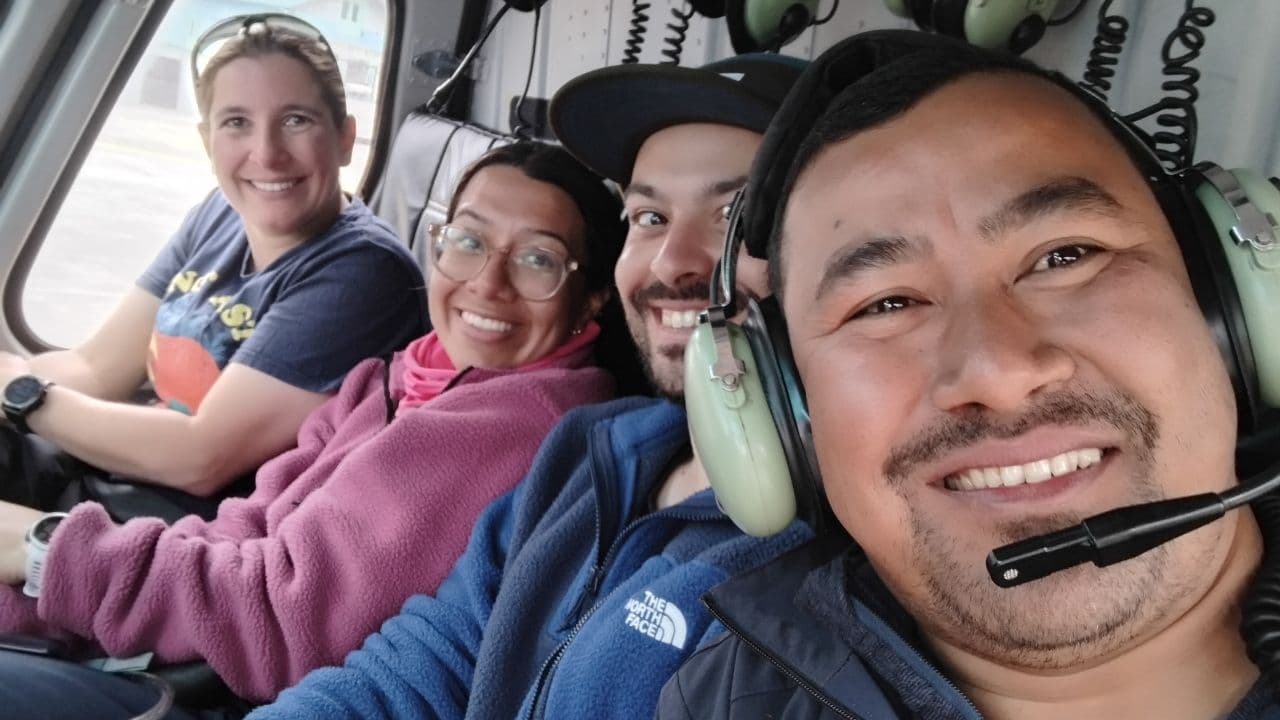
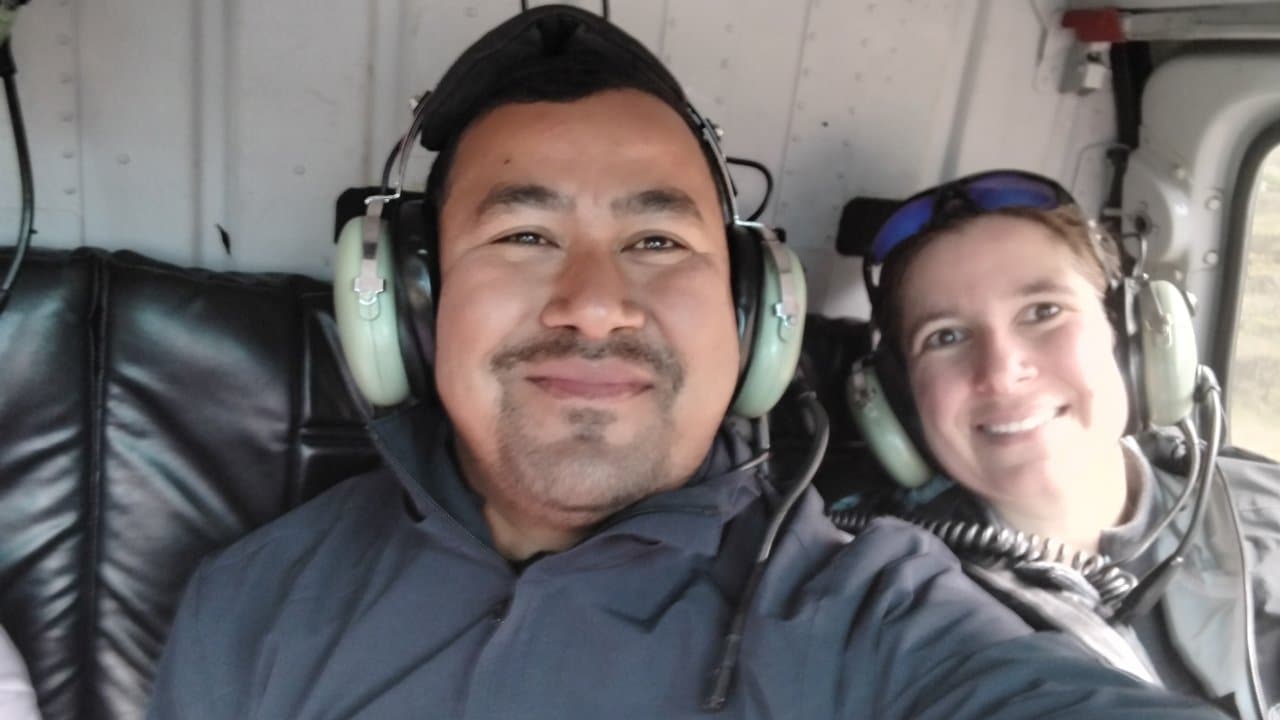
Finish the adventure with a shared helicopter flight from the Everest region to Kathmandu, avoiding the long return trek to Lukla and enjoying an aerial perspective of the valleys, glaciers and mountain landscapes crossed during the journey
A comprehensive Everest adventure that combines Gokyo Valley, Gokyo Ri, Cho La Pass, Everest Base Camp and Kala Patthar in one itinerary, making it ideal for trekkers looking for more than the classic EBC route alone
Trip Overview
The Everest Base Camp Trek via Gokyo Valley Cho La Pass with Helicopter Return is a demanding but rewarding way to experience the Everest region beyond the classic Everest Base Camp Trek route. It combines some of the Khumbu's most remarkable landscapes and high-altitude experiences into one journey. Along this Himalayan journey, you will witness the turquoise Gokyo Lakes and sweeping Himalayan viewpoints, the dramatic crossing of Cho La Pass, and the iconic Everest Base Camp.
What makes Everest Base Camp Trek via Gokyo and Cho La Pass particularly appealing is the variety of experiences along the way. You spend time in traditional Sherpa settlements such as Namche, explore the quieter Gokyo Valley beneath peaks including Cho Oyu, cross Cho La Pass at 5,420 meters (17,782 feet), and eventually reach Everest Base Camp at 5,364 meters (17,598 feet). The journey also includes an early-morning climb of Gokyo Ri at 5,357 meters (17,575 feet)and a sunrise hike to Kala Patthar at 5,550 meters (18,208 feet), giving you two very different perspectives of the Everest landscape.
This is not a trek designed simply to reach one destination. The experience changes noticeably as you gain altitude, from forested trails and riverside villages to glacial valleys, rocky moraines, and vast high-mountain terrain. Along the way, you will encounter the culture and daily life of the Khumbu, walk beneath some of the world's highest peaks, and experience the physical reality of trekking above 5,000 meters.
The helicopter return to Kathmandu from Gorakshep adds a practical and memorable finish. Instead of retracing the long trail back toward Lukla, you can leave the high Himalayas by air after completing the major objectives of the trek. From the helicopter, the valleys, glaciers, villages, and mountain ridges that took days to cross can be seen from an entirely different perspective.
With the combination of Gokyo Valley, Gokyo Ri, Cho La Pass, Everest Base Camp, Kala Patthar, and helicopter return, this Gokyo EBC Trek with Helicopter Return is best suited for trekkers looking for a more comprehensive Everest experience rather than the standard EBC route alone. Although this exceptional endeavor requires good physical preparation and careful acclimatization, for those ready for the altitude and challenging terrain, it offers an exceptionally varied journey through the heart of the Khumbu.
Why Choose Everest Base Camp Trek via Gokyo and Cho La Pass?
The Everest Base Camp Trek via Gokyo and Cho La Pass is ideal for trekkers who want to experience the Everest region from more than one perspective. Instead of following the classic EBC trail in and out, this itinerary takes you into the quieter Gokyo Valley, across the high Cho La Pass at 5,420 meters (17,782 feet), and then toward Everest Base Camp before finishing with a helicopter flight to Kathmandu. The result is a more varied Himalayan experience, with major mountain viewpoints, high-altitude challenges, Sherpa villages and glacial landscapes all forming part of the journey.
Experience Two Distinct Himalayan Valleys: The Gokyo Valley and the Everest Base Camp Valley have noticeably different characters. Gokyo brings turquoise glacial lakes, the Ngozumpa Glacier and a quieter alpine setting, while the EBC side introduces the Khumbu Glacier, Gorakshep and the famous approach to Base Camp.
Cross the High-Altitude Cho La Pass: At 5,420 meters (17,782 feet), Cho La is one of the defining challenges of the itinerary. Crossing the pass adds a genuine high-mountain element to the trek, with steep terrain, glacial conditions, and dramatic views making the journey feel like an expedition rather than a straightforward valley walk.
See Everest From Multiple Viewpoints: The trek does not rely on a single viewpoint for its mountain experience. Gokyo Ri at 5,357 meters offers a broad panorama of Everest, Lhotse, Makalu, and Cho Oyu, while Kala Patthar provides a closer perspective toward Everest and the surrounding peaks. Each viewpoint reveals a different side of the Khumbu.
Combine Gokyo Lakes With Everest Base Camp: Gokyo Lakes and Everest Base Camp represent two of the region's best-known trekking destinations, but they offer completely different experiences. Combining them allows you to see the peaceful turquoise lakes of Gokyo and the rugged, glacier-dominated environment around Everest Base Camp within the same journey.
A More Exploratory Alternative to the Classic EBC Route: Once the trail leaves Namche toward Dole and Machhermo, the journey moves away from the standard EBC flow. The quieter trails around Gokyo and the crossing toward Dzongla create a stronger feeling of exploration before the route reconnects with the main Everest Base Camp trail.
Gradual Acclimatization Before the Highest Sections: Altitude is one of the biggest considerations on this trek, which is why the itinerary includes an acclimatization day in Namche and a rest day in Gokyo. The elevation then increases progressively through Dole, Machhermo and Gokyo before the itinerary tackles Cho La, Everest Base Camp and Kala Patthar.
Discover the Sherpa Villages of the Khumbu: The trek passes through communities including Namche Bazaar, Dole, Machhermo, Gokyo, Thangnag, Dzongla, Lobuche and Gorakshep. Along the way, you encounter Buddhist prayer flags, mani stones, traditional mountain homes, monasteries and the everyday life of communities adapted to some of the highest inhabited valleys in the world.
A Trek That Keeps Changing as You Climb: The lower trail begins with forests, rivers and cultivated hillsides, but the scenery progressively gives way to juniper, alpine meadows, rocky slopes, glacial moraines and exposed high-altitude terrain. This constant change makes the trek feel like several different Himalayan environments connected within one itinerary.
A Serious Trek Without Technical Mountaineering: The route is physically demanding, particularly around Cho La, Gokyo Ri, Everest Base Camp and Kala Patthar, but it does not involve technical climbing of the surrounding peaks. The main challenge is sustained high-altitude trekking, requiring good fitness, appropriate pacing, and sensible acclimatization.
Less Time Walking Back to Lukla: After completing Everest Base Camp and the Kala Patthar sunrise, the itinerary uses a shared helicopter flight to Kathmandu instead of requiring the long return trek through the Khumbu. This saves several trekking days and gives you an aerial perspective of the landscapes you have spent nearly two weeks crossing on foot.
A Strong Choice for Trekkers Who Want More Than EBC: If Everest Base Camp is the main goal but you also want the Gokyo Lakes, Gokyo Ri, and Cho La Pass, this itinerary brings those experiences together without requiring a separate trek. It offers a broader understanding of the Everest region while still retaining the iconic objectives that make the Khumbu famous.
EBC Ama Dablam Trek Itinerary Outline Plan
The itinerary below gives a quick picture of how the Everest Base Camp Trek via Gokyo and Cho La Pass builds in altitude and difficulty from Lukla to the high Himalayas. Alongside each day's destination, the table shows the approximate elevation gain and walking or flight distance, making it easier to see where the longer trekking days and major altitude increases occur. The two acclimatization/rest days in Namche and Gokyo provide important breaks before the itinerary moves above 5,000 meters, while the final helicopter flight replaces the long return trek to Lukla.
Day
Everest Base Camp Trek via Gokyo and Cho La Pass Itinerary
Elevation Profile
Duration/ Distance
01
Fly to Lukla (2,860m/ 9,383ft), Then Trek to Phakding (2,610m/ 8,562ft)
Acclimatization Day (Hike Up to Everest View Hotel)
04
Trek to Dole (4,038m/ 13,248ft)
598m/ 1,961ft (gain)
Trek Distance: 12km/ 7.45 miles
Duration: 6 to 8 hours
05
Trek to Machhermo (4,470m/ 14,665ft)
432m/ 1,417ft (gain)
Trek Distance: 6km/ 3.72 miles
Duration: 5 to 6 hours
06
Trek to Gokyo Valley (4,800m/ 15,748ft)
330m/ 1,082ft (gain)
Trek Distance: 9km/ 5.5 miles
Duration: 5 to 6 hours
07
Rest Day (Optional 5th Lake Visit)
08
Hike Up to Gokyo Ri (5,357m/ 17,575ft) for Sunrise Then Trek to Thangnag (4,700m/ 15,419ft)
557m/ 1,827ft (gain)
Trek Distance: 5km/ 3.1 miles
Duration: 4 to 5 hours
09
Trek to Dzongla (4,830m/ 15,846ft) via Cho La Pass (5,420m/ 17,782ft)
720m/ 2,362ft (gain)
Trek Distance: 11km/ 6.8 miles
Duration: 7 to 8 hours
10
Trek to Lobuche (4,910m/ 16,108ft)
80m/ 262ft (gain)
Trek Distance: 6.5km/ 4.03 miles
Duration: 4 to 5 hours
11
Trek to Gorakshep (5,164m/ 16,942ft) Then Everest Base Camp (5,364m/ 17,598ft) After Return Gorakshep
454m/ 1,489ft (gain)
Trek Distance: 11.5km/ 7.15 miles
Duration: 8 to 9 hours
12
Hike Up to Kala Patthar (5,550m/ 18,208ft) Sunrise Then Back to Hotel After That Fly To Kathmandu (1,400m/ 4,593ft) by Sharing Helicopter
386m/ 1,266ft (gain)
Trek Distance: 1.2km/ 0.74 miles
Hike Duration: 3 to 4 hours
Flight Distance: 152km/ 94 miles
Flight Duration: 1 hour
Cost Details
What's Included in EBC Trek via Gokyo Valley Cho La Pass With Helicopter Return
Private Ground Transportation: All required ground transfers by private vehicle, including airport pickup and drop-off.
Kathmandu Accommodation: One night at a tourist-standard hotel in Kathmandu on a twin-sharing basis.
Flights: One-way Kathmandu–Lukla flight tickets for both trekkers and staff.
Helicopter Return: Shared helicopter flight from Gorakshep (Kala Patthar area) to Kathmandu.
Trekking Meals: Breakfast, lunch, and dinner throughout the trekking period.
Tea House Accommodation: Twin-sharing accommodation at local tea houses during the trek.
Permits and Taxes: Sagarmatha National Park entry fees and applicable local government taxes.
Professional Guide: Services of an experienced trekking guide, including the guide's food, accommodation, transportation, and other required expenses.
Medical Kit: A basic first-aid and medical kit carried during the trek.
Trekking Equipment: Sleeping bag, down jacket, and duffel bag provided for use during the trek and returned after its completion.
Route Map: A trekking route map to help you follow the journey through the Everest region.
What's Excluded in EBC Trek via Gokyo Valley Cho La Pass With Helicopter Return
Personal expenses and other individual purchases during the trek.
Porter service, available at an additional cost of US$200.
Optional activities or services not specifically listed under the included services.
Additional accommodation nights in Kathmandu beyond the scheduled itinerary.
Soft drinks, alcoholic beverages, and other drinks.
Wi-Fi, hot showers, and battery-charging services available at teahouses.
Price & Availability
Group Discount Available
1 Person
US$ 2650
2 - 4 Person
US$ 2350
5 - 10 Person
US$ 2225
Itinerary of EBC Trek via Gokyo Valley Cho La Pass With Helicopter Return - 12 days
Day 01
Fly to Lukla (2,860m/ 9,383ft), Then Trek to Phakding (2,610m/ 8,562ft): 35 Minutes Flight and 3 to 4 Hours Trek
Your adventure begins with the short but spectacular flight from Kathmandu to Lukla, the main gateway to the Everest region. At 2,860 meters, Lukla already puts you well above the elevation of Kathmandu, so the first day is deliberately kept relatively easy. After landing, there is usually a noticeable change in the atmosphere. The mountain air feels cooler, the pace becomes slower, and the surrounding hills immediately make it clear that the trek has truly begun.
From Lukla, you will move along the trail that heads north through the Dudh Koshi Valley toward Phakding, following a route of roughly 3 to 4 hours. The walk passes through small Sherpa settlements, stone-walled fields, mani stones, and forested sections. The cascading Dudh Koshi River accompanies you for much part of the route. You will pass villages such as Chheplung and Ghat before finally reaching Phakding.
This is a short first trekking day, but it serves an important purpose. Rather than pushing high on the first afternoon, you get your body moving, settle into the mountain environment, and begin adjusting to altitude before the much steeper climb toward Namche.
Max. Elevation:2610
Duration:35 minutes (flight) and 3 to 4 hours (trek)
Distance:138km (flight) and 8km (trek)
Day 02
Trek to Namche (3,440m/ 11,286ft): 5 to 6 Hours
Today is where the trek begins to feel truly Himalayan. From Phakding, you will continue on the trail to the north along the Dudh Koshi River. Along the way, you will pass through Toktok, Benkar, Monjo and Jorsale before entering Sagarmatha National Park. The route crosses several suspension bridges and winds through pine and rhododendron forests, offering you glimpses of the mountains appearing between the trees.
Beyond Jorsale, the trail follows the river toward the famous Tenzing-Hillary Suspension Bridge, from where the character of the trekking route changes. The final approach to Namche is a sustained uphill climb through forest, with the trail gaining around 830 meters from Phakding to Namche. At Namche Bazaar, the trail opens into the famous horseshoe-shaped Sherpa town built into the mountainside.
Namche is more than an overnight stop: it is the commercial and cultural center of the Khumbu, with tea houses, bakeries, shops, and mountain lodges gathered around its main streets. Arriving at Namche after the long climb is one of those moments when the scale of the Everest region starts to sink in.
Max. Elevation:3440
Duration:5 to 6 hours
Distance:12.3km
Day 03
Acclimatization Day (Hike Up to Everest View Hotel)
Rather than simply spending the day resting in the lodge, this will be an active acclimatization day. The idea is simple: climb higher during the day and return to sleep lower at Namche, giving your body valuable time to adjust before the route heads toward the higher valleys. After breakfast, the hike climbs above Namche toward the Syangboche airstrip and the Everest View Hotel, situated at around 3,880 meters (12,730 feet). The trail provides one of the first major panoramic views of the journey, with Mount Everest, Ama Dablam, Thamserku, Lhotse and other Khumbu peaks becoming visible from the ridgeline.
The walk is relatively short compared with a normal trekking day, but the uphill section can feel surprisingly demanding at this altitude. That is exactly why it works well as an acclimatization hike. After spending time enjoying the mountain panorama, you descend back to Namche for the night. Then, you can explore the town, visit its local market area, or simply rest before leaving the main Everest trail toward Dole and the Gokyo Valley on the following day.
Max. Elevation:3440
Day 04
Trek to Dole (4,038m/ 13,248ft): 6 to 8 Hours
After acclimatizing in Namche, the trail leaves the main Everest Base Camp route and turns toward the Gokyo Valley. From Namche Bazaar, you climb gradually along the hillside toward Kyangjuma, where the trail opens to impressive views of Ama Dablam, Thamserku and Kangtega. This section is one of the more enjoyable parts of the route because you are already high in the mountains, yet the trail still moves through juniper and rhododendron vegetation.
From Kyangjuma, the route continues toward Sanasa before gradually climbing through the Dudh Koshi valley toward Mong La. The climb to Mong La is one of the more noticeable uphill sections of the day, but it rewards you with a broad mountain panorama. From there, the trail descends toward Phortse Tenga, beside the Dudh Koshi, before climbing again through forest toward Dole.
At Dole, the landscape has already begun to change. Trees become increasingly sparse, the settlements are smaller, and the surrounding mountains feel much closer. The long walking day is worthwhile because you are now properly inside the Gokyo Valley, away from much of the traffic of the classic Everest Base Camp Trek trail.
Max. Elevation:4038
Duration:6 to 8 hours
Distance:12km
Day 05
Trek to Machhermo (4,470m/ 14,665ft): 5 to 6 Hours
On this day of your EBC Trek via Gokyo Valley Chola Pass with Helicopter Return, the trail continues deeper into the Gokyo Valley as the landscape becomes increasingly alpine. Leaving Dole, you climb steadily through juniper and scrub vegetation, passing small settlements and grazing areas where the vegetation becomes noticeably thinner with altitude. The mountains also begin to dominate the horizon more completely, with Cho Oyu becoming an increasingly important presence in the valley.
The route passes through Luza before reaching Machhermo. Compared with the previous day, the walking distance is shorter, but the altitude makes the trek feel more demanding. There is considerably less vegetation at this elevation, and the air is noticeably thinner, so maintaining a slow, comfortable pace becomes important.
Machhermo is also an important acclimatization point on the Gokyo route. The settlement sits beneath impressive mountain walls, and the surrounding valley provides a strong sense of just how far you have climbed since Lukla. This is a good evening to rest, hydrate, and prepare for the next day's approach toward Gokyo.
Max. Elevation:4470
Duration:5 to 6 hours
Distance:6km
Day 06
Trek to Gokyo Valley (4,800m/ 15,748ft): 5 to 6 Hours
Today brings you to one of the defining landscapes of the entire trek: Gokyo Valley. From Machhermo, the trail continues north toward Pangka, following the valley higher into the Himalayas. The surroundings become stark and dramatic, with rocky slopes, glacial streams, and towering peaks replacing much of the vegetation seen earlier in the trek. The trail eventually reaches the Ngozumpa Glacier, the largest glacier in Nepal, which stretches through the Gokyo Valley beneath the massive peaks of the region.
Crossing the glacier-side terrain, you continue toward the turquoise Gokyo Lakes, a chain of glacial lakes that gives the valley much of its character. Your destination is Gokyo, at approximately 4,800 meters (15,748 feet), beside the third Gokyo Lake. The small settlement sits in an enormous mountain amphitheater, with Cho Oyu, Gokyo Ri and surrounding Himalayan peaks rising above the valley.
The day is not simply about reaching another overnight stop. Gokyo is the staging point for some of the trek's most memorable experiences, including the optional climb of Gokyo Ri for a panoramic view of Everest, Lhotse, Makalu, and Cho Oyu, as well as the route toward Thagnak and the Cho La Pass in the days ahead.
Max. Elevation:4800
Duration:5 to 6 hours
Distance:9km
Day 07
Rest Day (Optional 5th Lake Visit)
After reaching Gokyo, a rest day is important before tackling the higher terrain toward Cho La. This is not necessarily a day of doing nothing. The main purpose is to acclimatize at altitude while keeping the body gently active, giving you a better chance of feeling strong for the demanding days ahead. For those who want to explore, the optional hike toward the 5th Gokyo Lake offers a chance to venture farther into the valley without committing to another major mountain pass.
The trail follows the upper reaches of the Gokyo Valley toward the remote glacial landscape, with increasingly rugged terrain and expansive views of the surrounding peaks. The route can also provide views toward Cho Oyu and the high Himalayan landscape beyond the main Gokyo settlement. Alternatively, you can spend the day around Gokyo village and the lakes, enjoy the mountain scenery, and allow your body to recover. At 4,800 meters, even a quiet day here is part of the trek's acclimatization strategy.
Max. Elevation:4800
Day 08
Hike Up to Gokyo Ri (5,357m/ 17,575ft) for Sunrise Then Trek to Thangnag (4,700m/ 15,419ft): 4 to 5 Hours
Your hike starts before dawn. With headlamps lighting the trail, you begin the steep climb from Gokyo toward Gokyo Ri, gaining more than 550 meters in elevation before reaching the summit at 5,357 meters (17,575 feet). The climb is short compared with a normal trekking day, but at this altitude, the steep ascent demands a slow and steady rhythm. The reward comes at the top. As the first light reaches the Himalayas, the mountains gradually emerge across the horizon.
Everest, Lhotse, Makalu, Cho Oyu and Cholatse are among the major peaks visible from the Gokyo Ri viewpoint, while the turquoise Gokyo Lakes appear far below in the valley. Sunrise from Gokyo Ri is one of those experiences where the effort of the climb becomes easy to forget for a while. After descending back to Gokyo, you have time for breakfast before continuing toward Thangnag. The trail crosses the rugged terrain alongside the Ngozumpa Glacier, with the landscape becoming increasingly barren and glacial as you leave the main Gokyo settlement behind.
Thangnag sits at around 4,700 meters (15,419 feet) and is essentially a small high-altitude settlement used by trekkers preparing for the Cho La crossing. The shorter afternoon trek allows you to arrive, eat, and rest without adding unnecessary strain before the biggest crossing of the journey.
Max. Elevation:4700
Duration:7 to 8 hours
Distance:10.4km
Day 09
Trek to Dzongla (4,830m/ 15,846ft) via Cho La Pass (5,420m/ 17,782ft): 7 to 8 Hours
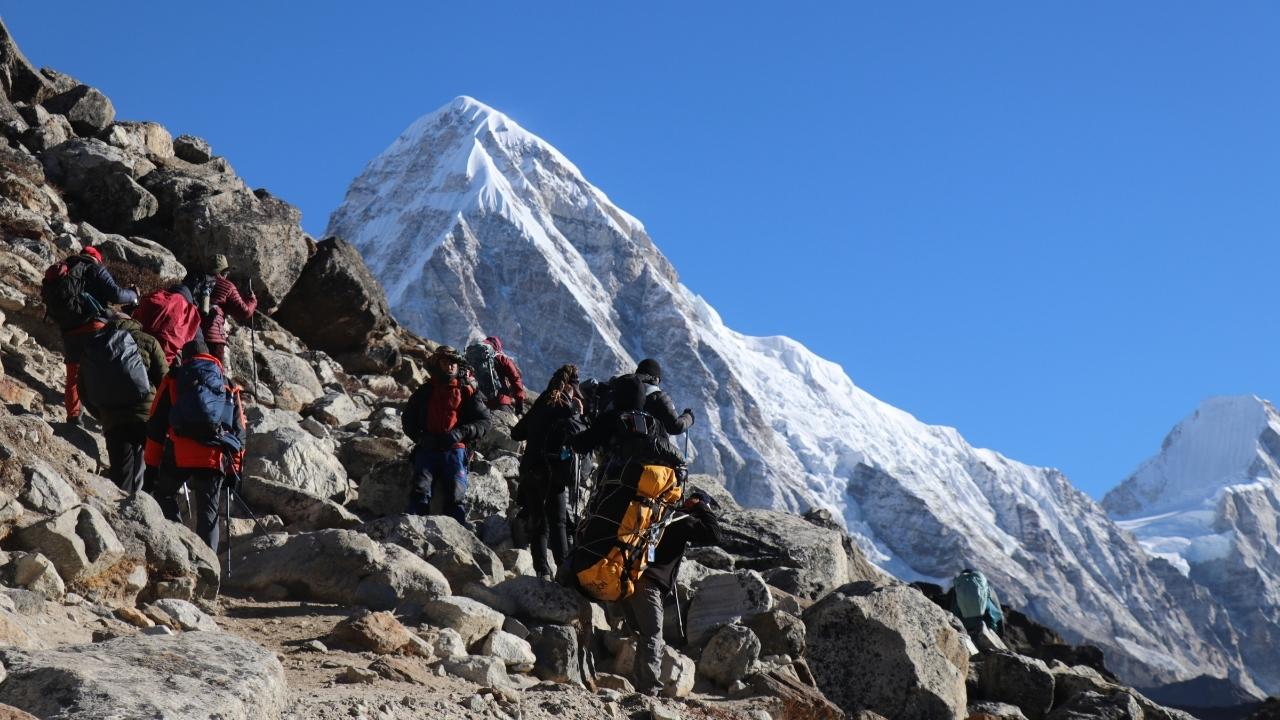
This is one of the most challenging and memorable days of the trek. You leave Thangnag early, usually while the surrounding mountains are still in shadow, and begin the gradual approach toward Cho La Pass, one of the three major high passes associated with the classic Everest Three Passes route. The trail initially crosses the rugged Cho La Glacier and climbs steadily toward the pass. The final ascent is demanding because of the altitude, and conditions can vary considerably with snow and ice.
At 5,420 meters (17,782 feet), Cho La is the highest point of this itinerary and represents a major physical milestone. Standing at the pass, the surrounding landscape opens dramatically, with high Himalayan peaks and glacial valleys stretching in every direction. After crossing Cho La, the trail descends toward Dzongla, but the day is far from easy. The descent involves rocky and glacial terrain before eventually reaching the small settlement.
By the time you arrive, the contrast is noticeable: you have crossed a high Himalayan pass and descended into the quieter Dzongla valley, where the mountains feel extremely close. This is the point where the itinerary reconnects with the route toward Lobuche and Everest Base Camp. The Gokyo Valley, its turquoise lakes, and Cho La are now behind you, while Everest Base Camp lies ahead.
Max. Elevation:4830
Duration:7 to 8 hours
Distance:11km
Day 10
Trek to Lobuche (4,910m/ 16,108ft): 4 to 5 Hours
After crossing Cho La, the trail gradually reconnects with the classic Everest Base Camp Trek route. From Dzongla, you follow the valley toward Lobuche, with the landscape becoming increasingly stark as you move deeper into the high Khumbu. The trail passes beneath dramatic peaks and along rocky mountain slopes, with Cholatse, Lobuche Peak and Nuptse dominating much of the surrounding skyline. The walk to Lobuche is shorter than the previous day's Cho La crossing, but the altitude remains demanding.
At around 4,900 meters, even a gentle uphill section can feel slow, so the focus is on maintaining a comfortable pace and conserving energy for the next two days. As you approach Lobuche, the route joins the busy Everest Base Camp trail, and the atmosphere changes again. Trekkers heading toward Everest Base Camp converge here after coming from different routes, including those who have crossed Cho La from Gokyo.
Lobuche is therefore more than another overnight village; it is the final major staging point before Gorakshep and Everest Base Camp. You will spend the afternoon resting and preparing for the following day's long excursion. The next morning takes you toward the highest settlement of the trek and eventually to the foot of Mount Everest.
Max. Elevation:4910
Duration:4 to 5 hours
Distance:6.5km
Day 11
Trek to Gorakshep (5,164m/ 16,942ft) Then Everest Base Camp (5,364m/ 17,598ft) After Return Gorakshep: 8 to 9 Hours
Today is the day the entire journey has been building toward. You leave Lobuche early and follow the trail through the high, rugged valley toward Gorakshep, the last settlement on the route to Everest Base Camp. The trail gradually approaches the Khumbu Glacier, and the landscape becomes almost entirely rocky and glacial. After several hours of walking, you reach Gorakshep at 5,164 meters (16,942 feet).
This is the highest overnight settlement on the standard Everest Base Camp route and the starting point for the final walk to base camp. After a short break, you continue toward Everest Base Camp at 5,364 meters (17,598 feet). The route follows the moraine of the Khumbu Glacier, passing through a landscape shaped by ice, rock, and enormous Himalayan peaks. The trail can feel surprisingly rugged here, and the combination of altitude and uneven moraine makes the final approach physically demanding.
Eventually, the Everest Base Camp marker comes into view. Reaching 5,364 meters is a significant achievement, especially after already crossing Cho La Pass from the Gokyo Valley. After spending time at base camp, you will retrace the trail back to Gorakshep for the night.
Max. Elevation:5164
Duration:8 to 9 hours
Distance:11.5km
Day 12
Hike Up to Kala Patthar (5,550m/ 18,208ft) Sunrise Then Back to Hotel After That Fly To Kathmandu (1,400m/ 4,593ft) by Sharing Helicopter: 4 to 5 Hours
The final morning begins before sunrise with a climb to Kala Patthar, the highest point of the itinerary at 5,550 meters (18,208 feet). This early start is demanding; the air is cold and thin, and the trail climbs steadily in the dark. However, this is arguably the best place in the itinerary to say goodbye to the high Himalayas.
As daylight reaches the peaks, Mount Everest, Nuptse, Pumori, Ama Dablam, Lhotse and the surrounding Khumbu mountains gradually come into view. Kala Patthar is particularly valued for its close and unobstructed perspective toward Everest, making the sunrise here a fitting final mountain experience after completing both the Gokyo Valley and Cho La sections. After spending time at the viewpoint, you descend back to Gorakshep and return to the hotel for breakfast and some time to recover.
Rather than retracing the entire trekking route toward Lukla, this itinerary ends with a shared helicopter flight from the Everest region to Kathmandu. The helicopter journey provides a completely different perspective of the route you have just walked. Valleys, glaciers, villages, and mountain ridges that took days to cross unfold below you in a much shorter flight.
The helicopter return is not simply a faster way out. After days of walking through the Khumbu, seeing the landscape from above offers a final chance to appreciate just how much terrain you have covered, from Lukla and Namche, through Gokyo and Cho La, to Everest Base Camp and Kala Patthar.
Max. Elevation:1400
Duration:3 to 4 hours (hike) and 1 hour (flight)
Distance:1.2km (hike) and 152km (flight)
If the provided schedule isn't suitable for you, we can create personalized travel arrangements.
Accommodation on the EBC Trek via Gokyo Valley Cho La Pass With Helicopter Return is arranged mainly in locally operated teahouses and mountain lodges along the trekking route. These are straightforward accommodations where the priority is a warm place to sleep, eat, and recover after a long day on the trail. Rooms are generally twin-sharing with basic beds, mattresses, pillows, and blankets, while toilets and bathrooms are commonly shared.
The available facilities vary considerably with altitude. Namche Bazaar has some of the best-developed lodges on the route, with more comfortable rooms, dining areas, hot showers, charging facilities and better internet connectivity. In Gokyo, the accommodation remains comfortable enough for trekkers but is more limited because of the valley's remote location. At the higher settlements, rooms can be cold, and bathrooms are usually shared. You will need to pay small extra fees to use services such as hot showers, Wi-Fi, and electronic charging.
The dining room therefore becomes the main communal space in the evening, where trekkers, guides, and porters gather for meals, conversation, and warmth. After demanding sections such as Gokyo Ri and Cho La Pass, these simple tea houses can feel surprisingly welcoming.
Food During the Trek
Food is available at teahouses throughout the journey, so you do not need to carry meals for the entire journey. Menus are generally more varied in Lukla and Namche Bazaar and gradually become simpler as the trail climbs toward Gokyo, Cho La, Lobuche and Gorakshep. Most meals are prepared fresh at the teahouses and focus on warm, filling foods that provide enough energy for long days at altitude.
A typical trekking day is organized around three main meals, with hot drinks and small snacks available throughout the day. You can expect the following menus at the teahouses during the Everest Base Camp Trek via Gokyo with Helicopter Return.
Breakfast
Porridge with milk, honey or fruit
Tibetan bread with eggs or jam
Pancakes with honey or jam
Eggs prepared in different styles
Toast with butter or jam
Cornflakes, muesli or other cereals
Hash browns or fried potatoes
Tea or coffee
Lunch and Dinner
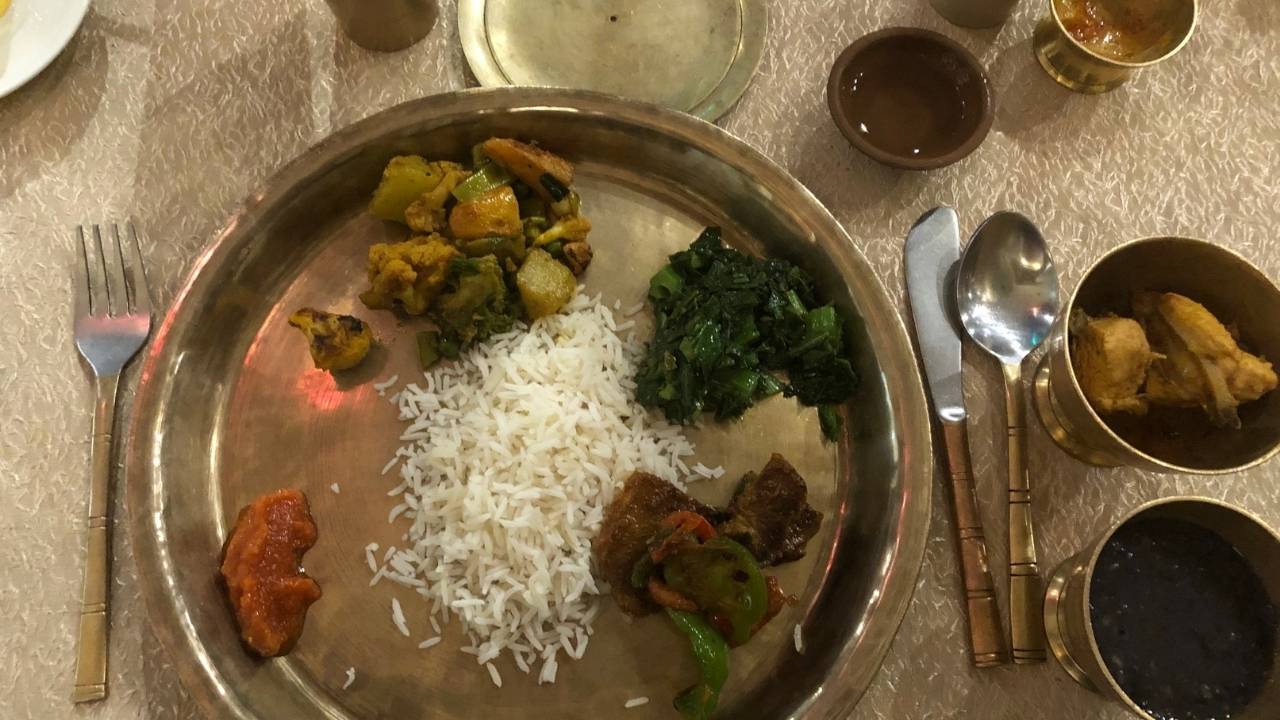
Dal bhat: Rice, lentils, vegetables, curry and pickle
Fried rice with vegetables or eggs
Noodles and chow mein
Pasta with vegetables or simple sauces
Thukpa and other noodle soups
Momos
Sherpa stew
Potatoes prepared in different styles
Sandwiches and lighter meals where available
Beverages
Black tea, milk tea, ginger tea, lemon tea
Hot lemon with honey
Coffee
Hot chocolate
Mint or herbal tea
Soup and warm broths
Drinking water
**Note: Food availability depends on the season, local supplies, and the specific teahouse, particularly in remote settlements. Above 4,000 meters, the emphasis is less on having a large menu and more on getting enough warm, familiar, and energy-rich food to support the body through the demanding sections of the trek**
Transporation
Transportation on the EBC Gokyo Cho La Pass Helicopter Return combines mountain flights, trekking, and a helicopter return, giving the itinerary a more efficient finish than a conventional round-trip EBC trek. The journey begins with a flight from Kathmandu to Lukla at 2,860 meters (9,383 feet), taking approximately 35 minutes. The short flight replaces several days of road and trail travel and brings you directly to the starting point of the Khumbu trekking route.
After landing in Lukla, all major sections of the route are completed on foot. The final shared helicopter flight is one of the practical advantages of this package. After the Kala Patthar sunrise and return to Gorakshep, you board a helicopter for the flight toward Kathmandu, covering in roughly an hour a distance that would otherwise require several additional days of trekking. The flight also provides an entirely different perspective of the Khumbu, with the valleys, glaciers, and mountain ridges visible from above.
**Note: Both the Lukla flight and helicopter return are subject to weather and operating conditions in the mountains. Visibility, wind, and changing conditions around the high-altitude landing areas can affect schedules, so flight times should be treated with some flexibility**
Difficulty and Fitness Requirement for Gokyo EBC Trek with Helicopter Return
The EBC Gokyo Cho La Pass Helicopter Return is a physically demanding high-altitude trek that combines long walking days, significant elevation gain, and the technical challenge of crossing Cho La Pass at 5,420 meters (17,782 feet). The itinerary also reaches Gokyo Ri at 5,357 meters, Everest Base Camp at 5,364 meters, and Kala Patthar at 5,550 meters (18,208 feet). The helicopter return makes the final part of the journey easier, but it does not reduce the physical demands of reaching these high-altitude destinations on foot.
The difficulty increases progressively as the route moves from Namche into the Gokyo Valley and then toward Cho La. Most trekking days involve around 5 to 7 hours of walking, while the Gokyo Ri sunrise hike, Cho La crossing, and Everest Base Camp day require particularly strong endurance. The trail includes steep uphill and downhill sections, rocky paths, glacial and moraine terrain, uneven surfaces, suspension bridges, and thin-air conditions above 4,000 meters. The Cho La section can be especially demanding, with the exact trail condition depending on snow and ice.
You do not need technical climbing experience or to be an elite athlete, but you should be comfortable walking for several consecutive days at a steady pace. Regular hiking, uphill walking, stair climbing, cycling, or other cardiovascular training can help build the endurance needed for the route. It is also useful to strengthen your legs and core because repeated ascents and descents become more tiring as the trek progresses.
Likewise, acclimatization is an important part of managing the difficulty. The itinerary includes an acclimatization day in Namche Bazaar at 3,440 meters and a rest day in Gokyo at 4,800 meters before the route moves toward Gokyo Ri and Cho La. These breaks allow time for gradual adjustment, but fitness does not prevent altitude sickness. A steady pace, proper hydration, sufficient food, adequate rest, and responding early to altitude-related symptoms are crucial to complete the journey safely and comfortably.
The helicopter return is a practical advantage after reaching Kala Patthar, as it removes the need to retrace the entire route back to Lukla. However, the main physical challenge remains the trek itself, particularly the sections above 4,500 meters and the 5,420 meters Cho La Pass crossing. With consistent preparation, a sensible pace, and appropriate acclimatization, the trek is achievable for fit and determined trekkers.
Best Time for EBC Trek via Gokyo Valley Chola Pass With Helicopter Return
The EBC Trek via Gokyo Valley Chola Pass with Helicopter Return is best planned during spring (March to May) and autumn (late September to November). These seasons generally offer the clearest mountain views, drier trails, and more favorable conditions for crossing Cho La Pass and reaching Gokyo Ri, Everest Base Camp, and Kala Patthar.
Spring: March to May
Spring season brings progressively warmer weather to the Khumbu and is an excellent season for this trek. March can still feel distinctly wintry at higher elevations, while April and May generally provide more comfortable daytime conditions. Around Namche Bazaar, daytime temperatures are commonly around 8°C to 15°C, with nighttime temperatures roughly -2°C to 5°C. At Gorakshep and Kala Patthar, daytime temperatures can remain around -5°C to 5°C, while nights can drop below -10°C.
Higher sections around Gokyo Ri and Cho La may still have snow, particularly early in the season. By April, the main trekking routes are generally more accessible, although snow and ice can remain on the Cho La crossing. Lower valleys become greener, and rhododendrons add color to the trail. Clear mornings can produce excellent views of Everest, Lhotse, Nuptse, Ama Dablam, Cho Oyu, Makalu, and Cholatse.
Best for: Spring landscapes, clear morning views, improving trail conditions, and a good balance between weather and scenery.
Autumn: Late September to November
Autumn is generally the most dependable season for the Gokyo to Cho La to Everest Base Camp route. The monsoon gradually clears from late September, while October and early November usually offer dry conditions and excellent visibility. Around Namche, daytime temperatures commonly range from 8°C to 15°C, with nights around 0°C to 5°C. At Gorakshep and Kala Patthar, daytime temperatures can be around -5°C to 5°C, with nighttime temperatures potentially falling below -10°C.
October is particularly attractive for the Cho La crossing because stable weather and clear skies make the high-altitude sections more manageable. November is colder, especially at night, but often rewards trekkers with exceptionally sharp mountain views. The main disadvantage is popularity: Gokyo, Namche, Lobuche, and Gorakshep can become busy during the peak autumn weeks.
For the helicopter return, autumn also offers a strong advantage because clearer visibility generally provides better conditions for the flight from the Everest region to Kathmandu. However, helicopter operations remain weather-dependent.
Best for: The most reliable overall conditions, mountain photography, Cho La crossing, clear Himalayan panoramas, and helicopter flight reliability.
Winter: December to February
Winter brings cold temperatures and a greater possibility of snow on the high sections of the route. Around Namche Bazaar, daytime temperatures may stay around 0°C to 8°C, while nights can fall to -10°C or lower. At Gorakshep, Kala Patthar, Gokyo, and around Cho La, temperatures can become considerably colder, with nighttime temperatures potentially reaching -15°C to -20°C or below during severe cold periods.
Snow and ice are the main concerns for this particular itinerary. The Cho La crossing at 5,420 meters can become significantly more difficult when covered by fresh snow or hard ice, and conditions can change the practical difficulty of the route. Gokyo and the surrounding lakes can also take on a distinctly winter character, but trekkers need proper cold-weather equipment and greater flexibility.
The reward is a much quieter trail. There are fewer trekkers in the Gokyo Valley and along the EBC route, and stable winter weather can produce exceptionally crisp mountain visibility.
Best for: Experienced high-altitude trekkers, quieter trails, winter scenery, and travelers prepared for cold and possible snow.
Summer/Monsoon: June to August
The monsoon season is generally the least favorable period for this trek. Rainfall is heavier in the lower Khumbu, while higher areas receive less rain, but cloud, mist, and reduced mountain visibility can still affect the journey. Around Namche, daytime temperatures can reach approximately 12°C to 18°C, with nights around 5°C to 10°C. Higher elevations remain considerably colder.
The main challenge is not simply rain. Cloud cover can affect the spectacular views that make the Gokyo Valley and Cho La route worthwhile, while wet and slippery trails can make lower sections less comfortable. The Lukla flight is also more vulnerable to delays or cancellations when cloud cover and visibility deteriorate. Since the return from the trek is by helicopter, poor weather can similarly affect the final flight.
There are some advantages: trails are considerably quieter, and the upper Khumbu's relatively sheltered position means the trek can still be possible during suitable weather windows. However, travelers choosing this season should be comfortable with changes to the itinerary and flight schedule.
Best for: Experienced and flexible trekkers, quieter trails, and travelers willing to accept greater weather uncertainty.
Altitude and Acclimatization
The EBC Trek via Gokyo Valley Chola Pass with Helicopter Return involves a major change in elevation, starting from Kathmandu at 1,400 meters (4,593 feet) and gradually climbing to Kala Patthar at 5,550 meters (18,208 feet). The route passes through Lukla (2,860m), Namche Bazaar (3,440m), Dole (4,038m), Machhermo (4,470m), Gokyo (4,800m), Thangnag (4,700m), Dzongla (4,830m), Lobuche (4,910m), and Gorakshep (5,164m). Along the way, you also reach Gokyo Ri at 5,357m, Cho La Pass at 5,420m, and Everest Base Camp at 5,364m, so the body has to adapt to increasingly thinner air over several days.
Rather than climbing straight toward Everest Base Camp, the itinerary uses the Gokyo Valley to build altitude progressively. The acclimatization day in Namche Bazaar is an important early pause, with an optional hike toward Syangboche and Everest View Hotel. Another rest day in Gokyo provides additional time to adjust before the demanding sequence of Gokyo Ri, Thangnag, and Cho La. This gradual progression is particularly valuable because the route spends several consecutive nights above 4,000 meters.
The highest sections require particular care. The Cho La crossing at 5,420 meters combines high altitude with steep and potentially icy or snowy terrain, while the climb to Gokyo Ri at 5,357 meters and Kala Patthar at 5,550 meters adds further elevation gain. Your guide can monitor how you are responding to altitude and adjust the pace or plans when necessary. If symptoms become severe or continue getting worse, descending to a lower altitude is the safest response rather than attempting to continue upward.
**Note: The combination of planned acclimatization, controlled daily gains, and a steady trekking pace gives you a better opportunity to experience Gokyo Lakes, Cho La Pass, Everest Base Camp, and Kala Patthar without treating altitude as an afterthought**
Packing Essentials
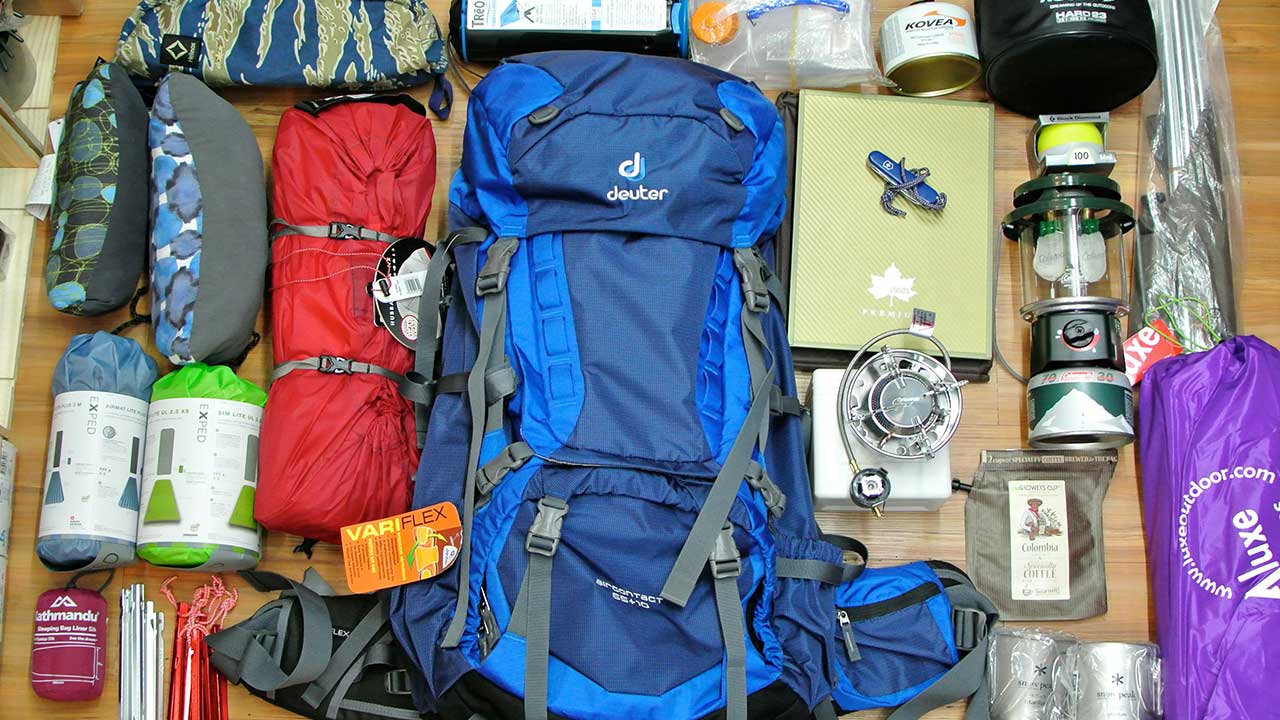
Packing for the Gokyo EBC Trek with Helicopter Return requires preparation for everything from relatively mild conditions around Namche to freezing temperatures and possible snow around Gokyo Ri, Cho La, Gorakshep, and Kala Patthar. Since the trek reaches 5,550 meters, a proper layering system is more practical than relying on one heavy jacket. Keep the items you use throughout the day in your daypack, while heavier gear can go in the porter duffel if porter service is arranged.
null
Clothing and Layers
Moisture-wicking thermal base layers
Quick-drying T-shirts and long-sleeve trekking shirts
Fleece or warm mid-layer
Down or synthetic insulated jacket
Waterproof and windproof outer shell
Trekking pants and thermal leggings
Warm hat or beanie
Sun hat or cap
Warm gloves plus lightweight liner gloves
Buff or neck warmer
Warm sleepwear
4 to 5 pairs of trekking socks
Extra thick socks for higher elevations
Footwear and Cho La Gear
Broken-in waterproof trekking boots with good ankle support and grip
Lightweight sandals or slippers for tea houses
Trekking poles with reliable grip
Gaiters, particularly useful if snow or wet conditions are present
Microspikes or similar traction equipment may be useful depending on current Cho La conditions
Backpack and Sleeping Gear
30 to 40 liter daypack
Waterproof backpack cover
Duffel bag for porter-carried luggage
Sleeping bag suitable for sub-zero conditions
Lightweight sleeping bag liner
Small dry bags or waterproof bags
Headlamp with spare batteries
Reusable water bottles or hydration bladder
Trekking poles
Sun, Water and Personal Care
Sunglasses with strong UV protection
Sunscreen, preferably SPF 30 to 50
Lip balm with SPF
Water purification tablets, drops, or filtration system
Moisturizer
Toothbrush and toothpaste
Biodegradable soap
Hand sanitizer
Wet wipes and tissues
Small quick-drying towel
Health and First Aid
Personal prescription medicines
Basic first-aid kit
Blister treatment
Pain-relief medication
Oral rehydration solution
Basic medication for common travel problems
Any altitude medication prescribed or recommended by your doctor
Documents, Electronics and Money
Passport and copies of important documents
Required trekking permits and documents
Travel insurance details
Nepali rupees for personal expenses
Mobile phone
Power bank
Charging cables
Universal travel adapter
Small wallet or money pouch
Emergency contact information
Snacks and Useful Extras
Energy bars, chocolate, nuts, or other compact snacks
Camera or smartphone
Extra memory cards and batteries
Earplugs
Lightweight trekking towel
Small book or offline entertainment
Laundry bags
Small padlock for your duffel
Portable charger if additional capacity is needed
Travel Insurance
Travel insurance is strongly recommended for the EBC Trek via Gokyo Valley Chola Pass with Helicopter Return because the route enters remote Himalayan areas and reaches 5,550 meters (18,208 feet) at Kala Patthar. Medical facilities are limited at higher elevations, so your policy should provide adequate protection for unexpected medical problems and emergency evacuation.
When choosing a policy, check that high-altitude trekking is covered up to at least 5,550 meters and that emergency helicopter evacuation is specifically included. It is also useful to have coverage for hospitalization, medical expenses, trip cancellation or interruption, baggage problems, and additional accommodation or transportation costs caused by travel disruptions.
The Kathmandu to Lukla flight and the final helicopter return are both dependent on mountain weather and visibility. Delays or cancellations can affect your itinerary, so check whether your insurance covers expenses resulting from flight disruption or missed onward connections.
**Note: Make sure to carry both digital and printed copies of your insurance policy, emergency contact details, and assistance information. Insurance provides financial and logistical protection, but it does not replace acclimatization, proper preparation, or following your guide's safety advice**
Safety and Trekking Support
The Everest Base Camp Trek via Gokyo with Helicopter Return combines remote trails, high elevations, and a demanding 5,420 meters Cho La Pass crossing, so experienced trekking support is an important part of the journey. A licensed local guide helps with navigation, pacing, daily trail decisions, and monitoring how you are adapting as the route climbs from Namche toward Gokyo, Cho La, and the Upper Khumbu.
Safety also depends on responding to changing conditions. Snow, ice, strong winds, poor visibility, and trail conditions can affect the Cho La section, while mountain weather may also disrupt the Lukla flight or final helicopter return. Your trekking team can adjust the pace or schedule when conditions make the planned itinerary unsuitable rather than rushing through exposed or difficult sections.
Basic first-aid support is available during the trek, and guides can coordinate with local medical facilities or emergency evacuation services when necessary. Carrying travel insurance that covers high-altitude trekking up to 5,550 meters and emergency helicopter evacuation is strongly recommended. Following the acclimatization schedule, staying hydrated, walking at a controlled pace, and reporting unusual symptoms early are equally important for a safe trek.
Necessary Permits for Everest Base Camp Trek Helicopter Return from Gorakshep
The EBC Trek via Gokyo Valley Cho La Pass with Helicopter Return follows the Gokyo to Cho La route through Sagarmatha National Park and Khumbu Pasang Lhamu Rural Municipality, so trekkers need the permits applicable to the Everest region. The main permit requirements are the Sagarmatha National Park Entry Permit and the Khumbu Pasang Lhamu Rural Municipality Permit.
The Sagarmatha National Park Entry Permit is required because the trekking route passes through the national park, while the local-area permit applies to the Khumbu Pasang Lhamu Rural Municipality. The applicable fees can change, so current rates should be confirmed when the permits are processed. These permits are normally arranged by the trekking company as part of the trip preparation. You simply need to provide your passport details and required documents and carry your passport or relevant permit information during the trek, as permits may be checked at designated points.
The route does not enter a restricted trekking area, so you do not need a separate restricted-area permit for Gokyo Valley, Cho La Pass, Everest Base Camp, Gorakshep, or Kala Patthar. The helicopter return from Gorakshep does not create any additional trekking permit requirement.
**Note: Permit fees and local regulations may be revised by the relevant authorities. The current applicable rates will be confirmed when your permits are arranged**
EBC Trek via Gokyo Valley Cho La Pass With Helicopter Return FAQs
FAQs
What is the EBC Trek via Gokyo Valley Cho La Pass With Helicopter Return?
The EBC Trek via Gokyo Valley Cho La Pass with Helicopter Return is an alternative Everest Base Camp route that combines the Gokyo Valley, Gokyo Lakes, Gokyo Ri, Cho La Pass, and the classic Everest Base Camp trail before returning to Kathmandu by helicopter from Gorakshep.
How Difficult is the EBC Trek via Gokyo Valley Cho La Pass With Helicopter Return?
This is a challenging high-altitude trek, mainly because of the elevation, long walking days, and Cho La crossing. Most days involve around 5 to 7 hours of walking, with the longest days including the Cho La crossing and Everest Base Camp visit at around 7 to 9 hours. The trail includes steep ascents, rocky and uneven sections, moraine, glacial terrain, and potentially snowy or icy conditions around Cho La. Although no technical climbing skills are required, good endurance and preparation are important for the journey.
How Many Days Does the EBC Trek via Gokyo Valley Cho La Pass With Helicopter Return Take?
The standard itinerary takes 12 days, including the flight from Kathmandu to Lukla, acclimatization in Namche, a rest day in Gokyo, the Gokyo Ri and Cho La sections, Everest Base Camp, Kala Patthar, and the helicopter return to Kathmandu. The walking portion is spread across the itinerary so that altitude is gained progressively rather than too quickly. Extra days can be added if you want more acclimatization or greater flexibility for weather.
What is the Highest Altitude Reached on the Trek?
The highest point you will reach during the Everest Base Camp Trek via Gokyo and Cho La Pass is Kala Patthar at 5,550 meters (18,208 feet). Other major high points include Cho La Pass at 5,420 meters, Everest Base Camp at 5,364 meters, and Gokyo Ri at 5,357 meters. Although Everest Base Camp is one of the main objectives, Kala Patthar is actually higher and is reached on the final trekking morning before the helicopter return.
How High is Cho La Pass?
Cho La Pass stands at approximately 5,420 meters (17,782 feet). It is the highest crossing point of the route before Kala Patthar and connects the Gokyo Valley with the Everest Base Camp side of the Khumbu. The approach from Thangnag involves a steep ascent, and the crossing can include snow, ice, and rocky or glacial terrain depending on the season and current conditions.
Do I Need Previous High-altitude Trekking Experience for This Trek?
Previous high-altitude experience is helpful but not mandatory for the EBC Gokyo Cho La Pass Helicopter Return. What matters more is being physically prepared for consecutive days of 5 to 7 hours of walking and having enough endurance for steep uphill sections. The itinerary includes acclimatization in Namche at 3,440 meters and Gokyo at 4,800 meters, but altitude affects people differently. If you are a first-time high-altitude trekker, you should prepare seriously and follow the guide's pacing and acclimatization advice.
What is the Difference Between the Gokyo Cho La EBC Trek and the Classic EBC Trek?
The classic EBC route approaches Everest Base Camp through Namche, Tengboche, Dingboche, Lobuche, and Gorakshep. The Gokyo to Cho La route takes a more varied path through Dole, Machhermo, Gokyo, and Thangnag, crosses Cho La at 5,420 meters, and then joins the main EBC trail around Dzongla/Lobuche. It adds Gokyo Lakes and Gokyo Ri while also requiring a more demanding high-pass crossing. With the helicopter return, it also avoids retracing the entire route to Lukla.
How Long Does the Helicopter Flight From Gorakshep to Kathmandu Take?
The helicopter flight from Gorakshep to Kathmandu generally takes around 1 hour, although the actual flight duration can vary with weather, routing, and operational conditions. The advantage is that you can finish the trek around Gorakshep/Kala Patthar and return to Kathmandu without spending several additional days walking back toward Lukla.
What is the Helicopter Return From Gorakshep Like?
After completing the Kala Patthar sunrise hike, you return to Gorakshep, have breakfast, and prepare for the helicopter flight to Kathmandu. The flight provides a very different perspective of the Khumbu, with aerial views of the valleys, glaciers, and surrounding peaks. The return is normally arranged as a shared helicopter flight, subject to weather, visibility, and operational conditions. It is particularly useful for trekkers who want to experience the full Gokyo to Cho La to EBC route without adding the long return trek.
Can the Itinerary Be Customized for Extra Acclimatization?
Yes, the standard itinerary can generally be extended with additional acclimatization or contingency days, particularly before the higher sections. An extra day around Gokyo, for example, can provide more time at 4,800 meters before the Gokyo Ri and Cho La stages. Extra days can also provide useful flexibility for weather-related delays, although adding days does not guarantee protection from altitude sickness.
What Happens if I Develop Altitude Sickness Before Cho La Pass?
If altitude-related symptoms develop before Cho La, the priority is not to continue gaining altitude simply to stay on schedule. Your guide will assess your condition and may recommend resting, stopping the ascent, or descending to a lower elevation. Mild symptoms such as headache, fatigue, dizziness, or reduced appetite need monitoring, while worsening or severe symptoms require immediate descent and, if necessary, medical or evacuation support.
How Much Harder is This Trek Than the Classic EBC Trek?
The Gokyo to Cho La route is generally more demanding than the classic EBC trek because it adds the 5,420 meters Cho La Pass, more varied terrain, and additional high-altitude walking. The standard EBC route has its own demanding sections, but it follows a more established valley route without a high-pass crossing. In exchange for the extra effort, the Gokyo route adds Gokyo Lakes, Gokyo Ri, the Gokyo Valley, and a less conventional approach to Everest Base Camp.
Is There a Cultural Difference Between the Gokyo Valley and the Main EBC Trail?
There is a noticeable difference in atmosphere rather than a completely separate culture. Both routes pass through Sherpa communities and share the Buddhist traditions, monasteries, prayer flags, mani walls, and mountain lifestyle characteristic of the Khumbu. The Gokyo side generally feels quieter and more remote, with settlements such as Dole, Machhermo, and Gokyo, while the main EBC trail becomes increasingly busy around Namche, Tengboche, Lobuche, and Gorakshep.
How Remote is the Gokyo Valley Compared With the Main EBC Trail?
The Gokyo Valley is quieter and less developed than the main Everest Base Camp corridor, particularly after the route leaves the Namche area. Dole, Machhermo, and Gokyo have tea houses and basic trekking infrastructure, but services become more limited as you move higher. After Gokyo, the route toward Thangnag and Cho La feels considerably more remote, with fewer settlements and more exposed alpine terrain. This is one reason the Gokyo section adds a stronger sense of exploration to the itinerary.
Does the Route Become Easier After Crossing Cho La?
In terms of terrain and altitude, somewhat, but not immediately. After Cho La, the trail descends toward Dzongla at 4,830m and then continues to Lobuche and Gorakshep. However, you are still walking above 4,800 meters and must complete the Everest Base Camp day, followed by the Kala Patthar climb to 5,550 meters. The route becomes more straightforward once the pass is behind you, but the upper Khumbu remains physically demanding until the helicopter descent to Kathmandu.
A surprisingly rich birding escape right on Kathmandu's doorstep
I only had a single free day in Kathmandu before my flight home, and taking this birding excursion to Phulchwoki Hill was the best way to spend it. Driving up through the dense oak and rhododendron forests, the temperature dropped and the forest came alive with bird activity. Within a few hours of quiet walking, we logged Cutias, Kalij Pheasants, Laughingthrushes, and several colorful Sunbirds. Our guide knew every feeding spot along the trail and brought along high-end spotting scopes that made capturing crisp photographs effortlessl.
MMaria Luz Esteve1st Apr, 2022
Great Cultural Experience
I had planned to visit Nepal before COVID, but my trip was cancelled. Finally, I made it to Kathmandu in 2022. The city tour was a great choice for my first day. We saw many beautiful temples and old buildings, and our guide told us interesting stories about the places. Kathmandu was lively and colorful, and I enjoyed walking around the old areas. Thank you Eco Holidays Nepal for making our first day easy and enjoyable. Highly recommended for anyone visiting Kathmandu.
DDolors Pallas15th Mar, 2022
My First Big Trip After COVID
This was my first major international trip after the COVID years, so I was excited and nervous at the same time. The Everest Base Camp trek was better than I expected. The team explained everything clearly and helped us with the daily walking and altitude. Some tea houses were still getting back to normal after the quiet COVID period, but I actually liked the peaceful feeling in the villages. The scenery was unbelievable. Everything was well arranged, and I would happily travel with Eco Holidays Nepal again.