

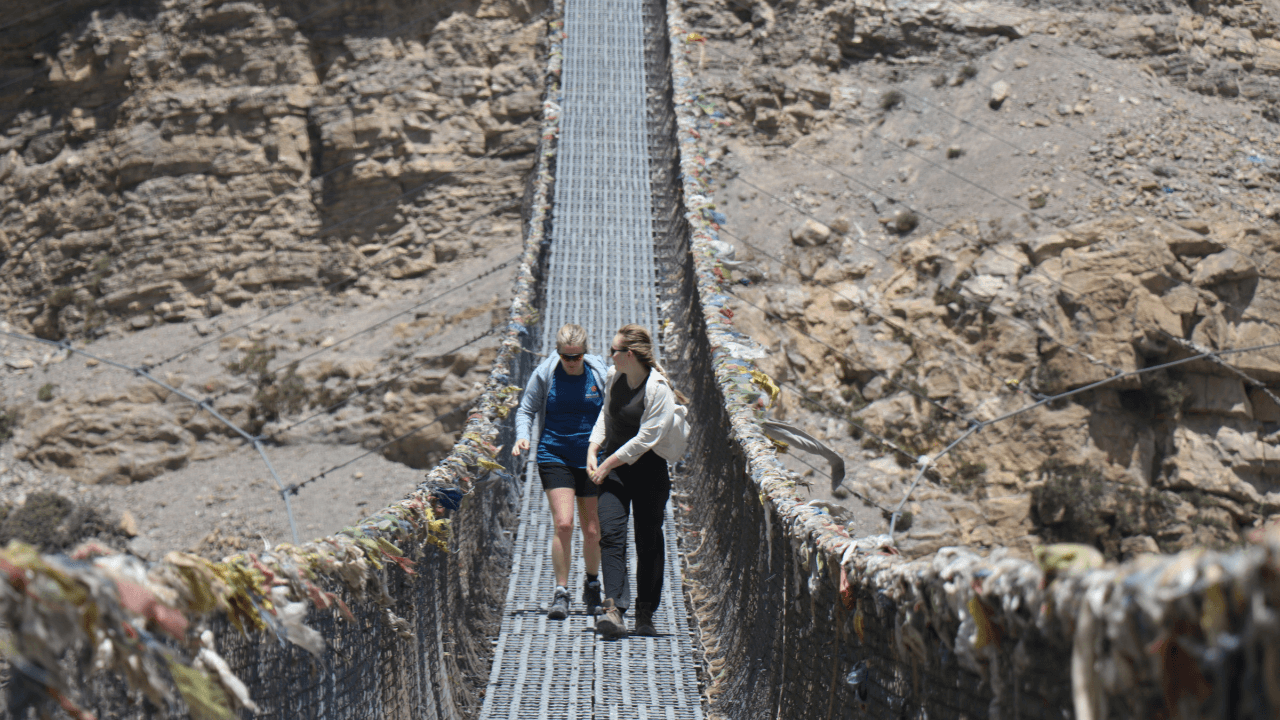
There is no single way to trek to Everest Base Camp. Some trekkers want the classic route with enough time to enjoy Namche Bazaar, Tengboche and the high valleys of Khumbu without rushing. Others have only 10 days available and would rather trek to Base Camp and return by helicopter. Some want a more comfortable experience, while others care most about keeping the cost down.
There are also trekkers who want to combine Everest Base Camp with Gokyo Lakes, approach Everest from Jiri, or avoid the Lukla flight altogether. That is why choosing an Everest Base Camp Trek package is not simply a matter of picking the cheapest or shortest itinerary. The number of days, acclimatization schedule, accommodation standard, route, transportation, and level of support can significantly change the experience and the price.
At Eco Holidays Nepal, we offer several ways to experience Everest Base Camp, allowing you to compare packages according to your time, budget, fitness, preferred comfort and trekking goals. Below, you can compare our EBC packages side by side, see what makes each itinerary different and choose the one that makes the most sense for your trip to the Everest region.
Our Everest Base Camp Trek Packages at a Glance
There is more than one way to trek to Everest Base Camp. The classic route can be completed in different timeframes, while shorter itineraries, helicopter returns, luxury services, Gokyo Lakes extensions and alternative approaches give you more ways to shape the journey around your own travel plans.
The table below gives you a quick comparison of our Everest Base Camp Trek packages, including their duration, starting price, trekking style and the type of traveler each option is best suited to. If you already know how much time you have and what kind of experience you want, this is the easiest place to start. If you are still deciding, we have explained the differences between the packages in more detail further down the page.
|
Everest Base Camp Trek Packages |
Duration |
Price From (Per Person) |
Trek Style |
Best For |
|
Everest Base Camp Trek |
12 Days |
US$ 1,285 |
Classic |
First-time EBC trekkers |
|
Everest Base Camp Trek |
14 Days |
US$ 1,460 |
Classic |
Travelers wanting a more relaxed itinerary |
|
Everest Base Camp Trekking |
16 Days |
US$ 1,450 |
Extended |
Travelers with more time and a less rushed itinerary |
|
Everest Base Camp Trek with Helicopter Return |
10 Days |
US$ 2,375 |
Premium |
Travelers with limited time |
|
Cheap Everest Base Camp Trek |
10 Days |
US$ 1,020 |
Budget |
Price-conscious trekkers |
|
Short Everest Base Camp Trek |
10 Days |
US$ 1,210 |
Short |
Travelers with limited vacation time |
|
Everest Base Camp Luxury Trek |
10 Days |
US$ 3,850 |
Luxury |
Travelers prioritizing comfort |
|
Everest Base Camp Gokyo Lakes Trek |
14 Days |
US$ 1,510 |
Combined |
Travelers wanting EBC and Gokyo Lakes |
|
Jiri to Everest Base Camp Trek |
19 Days |
US$ 1,740 |
Classic/ Extended |
Travelers interested in the traditional approach |
|
Everest Base Camp Trek by Road |
16 Days |
US$ 1,785 |
Overland |
Travelers who prefer to avoid the Lukla flight |
**Note: Prices shown are starting prices and may vary according to travel dates, group size, services, and package specifications. Check the individual itinerary for the latest price and inclusions**
Compare Everest Base Camp Trek Itineraries and Routes
There is no single way to experience Everest Base Camp. Some trekkers want the classic journey through the Khumbu, others want a little more time to take in the mountains, while some would rather make the return by helicopter or add the spectacular Gokyo Lakes to the route. You can also approach Everest from Jiri or travel overland instead of taking the usual flight to Lukla.
That variety means you can shape your Everest journey around the trip you actually want to have. Below, we have broken down each Everest Base Camp Trek packages so you can see what makes it different, what kind of experience it offers, and which one may fit your plans best.
12-Day Everest Base Camp Trek: The Classic Option
The 12-day Everest Base Camp Trek is the most straightforward option for travelers who want the classic Khumbu experience without extending the trip beyond what is necessary. The route follows the established trail from Lukla through Phakding, Namche Bazaar, Tengboche, Dingboche, Lobuche and Gorak Shep before reaching Everest Base Camp at 5,364 m. Along the way, the itinerary includes acclimatization time, which is essential as the elevation rises sharply from the lower valleys into the high Everest region.
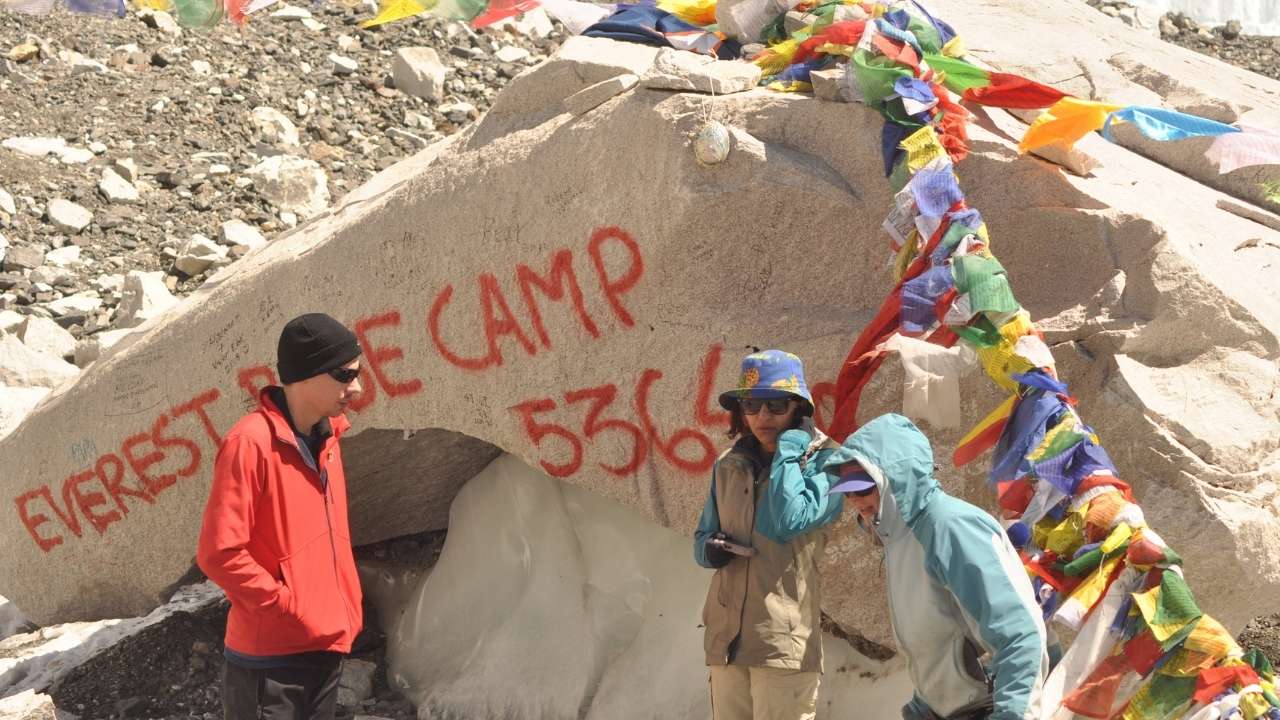
The main advantage of the 12-day itinerary is its balance. You have enough time to experience the major villages, mountain scenery and cultural landmarks of the route while keeping the overall trip manageable for travelers working with a limited holiday period. It is also long enough to avoid treating the trek purely as a race to Base Camp, while not adding several extra days that some travelers may not need.
This package is particularly suitable for first-time EBC trekkers who want the traditional route and a reasonably efficient itinerary. If you have around two weeks available in Nepal and Base Camp is your primary goal, this is the package to compare first.
Current Starting Price: US$ 1,285 per person
14-Day Everest Base Camp Trek Package: The Classic Route With More Time to Breathe
The 14-day Everest Base Camp Trek follows the same fundamental journey toward Base Camp but gives you more time to work with than the standard 12-day itinerary. That additional time matters in the Himalayas because the trek is not simply a matter of covering a fixed distance each day. You will follow the same classic route in this EBC adventure with just some extra days for preparation and a departure schedule.
The extra days provide greater breathing room in the overall schedule and can make the journey feel less compressed. You have more opportunity to experience the settlements and landscapes along the trail rather than focusing entirely on reaching the next overnight stop. It can also be useful when dealing with the practical uncertainties of mountain travel, including weather and flight disruptions around Lukla.
The 14-day option makes the most sense for travelers who have enough vacation time and would rather not squeeze the Everest experience into the shortest possible itinerary. It does not mean that 14 days automatically provides better acclimatization than 12 days; the actual elevation profile and acclimatization schedule are what matter.
Current Starting Price: US$ 1,460 per person
16-Day Everest Base Camp Trek: A Longer, Less-Rushed Way to Everest Base Camp
The 16-day Everest Base Camp Trek is designed for travelers who have enough time to experience the Khumbu without trying to compress the journey. The additional days create more room within the itinerary and allow the trek to be approached as a Himalayan journey rather than simply a mission to reach Everest Base Camp and return.
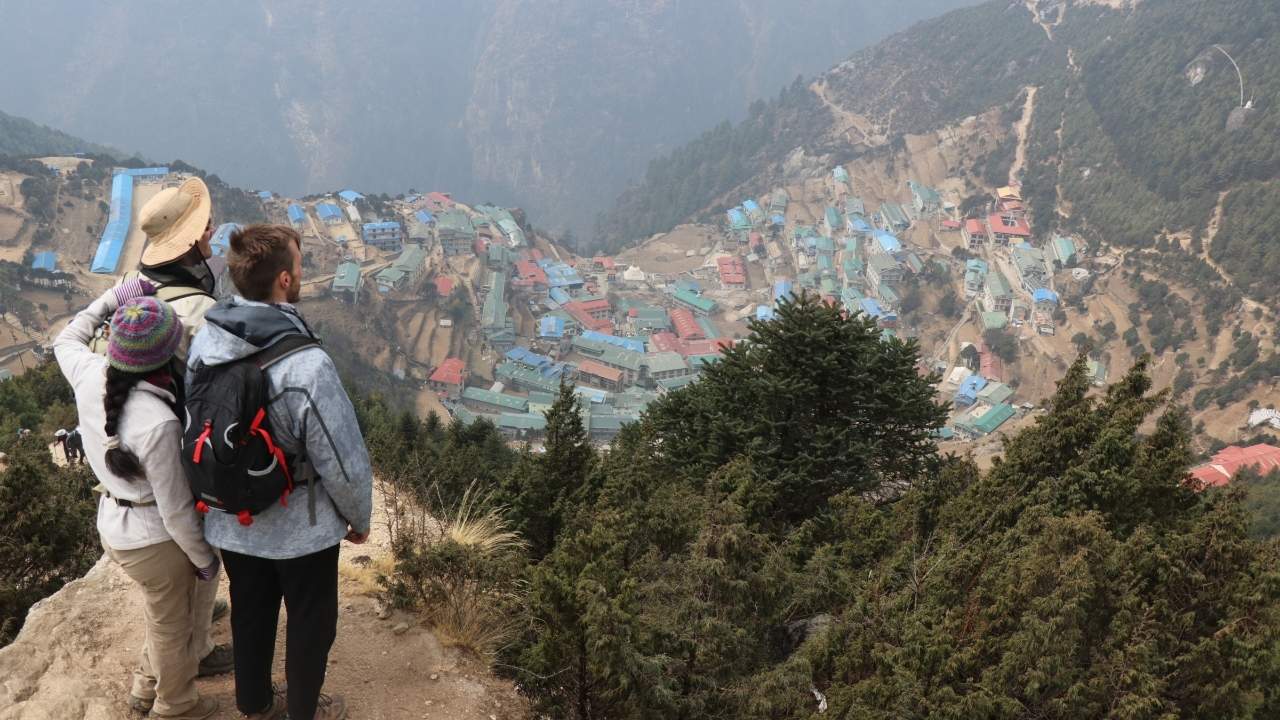
This becomes particularly noticeable as you move higher into the region. The landscape changes considerably between the lower Khumbu, Namche Bazaar, Tengboche, Dingboche and the high settlements around Lobuche and Gorak Shep. Spending more time in the region gives you greater opportunity to appreciate those changes, while a longer schedule also provides some flexibility when weather, flights or trail conditions affect the original plan.
The important distinction is that longer does not automatically mean better or safer. Acclimatization depends on the rate at which you gain elevation, the placement of acclimatization days, and how your individual body responds to altitude. The reason to choose 16 days is primarily the additional time and flexibility, not simply because the number is larger.
Current Starting Price: US$ 1,450 per person
10-Day Everest Base Camp Trek With Helicopter Return: Trek to Base Camp, Fly Back Through the Himalayas
The 10-day Everest Base Camp Trek with Helicopter Return is built around one clear advantage: saving time on the return journey without giving up the experience of trekking to Everest Base Camp. Instead of walking the entire route back toward Lukla after reaching Base Camp, the return is completed by helicopter, making the overall itinerary considerably shorter than a conventional round-trip trek.
This changes the experience in a meaningful way. You still walk through the Khumbu and spend time at the major stops on the route toward Base Camp, but you do not need to reserve several additional days for retracing the trail on foot. The helicopter also provides an aerial perspective of the mountains and valleys that you cannot get while trekking at ground level.
At US$ 2,375, it costs considerably more than the standard 12, 14 or 16-day packages, so the justification is not that it is a "better" trek. You are paying for the time saved, helicopter service and convenience of avoiding the full return trek. It is particularly relevant to travelers with a fixed vacation window who might otherwise have to abandon the EBC plan because they cannot spare two or more additional weeks.
One thing to keep in mind is that helicopter operations remain dependent on weather and flying conditions in the mountains. A helicopter return reduces trekking time, but it cannot remove the possibility of weather-related changes to the schedule.
Current Starting Price: US$ 2,375 per person
10-Day Cheap Everest Base Camp Trek: The Budget Route to Everest Base Camp
The Cheap Everest Base Camp Trek is designed for travelers who want to reach Everest Base Camp while keeping the upfront package cost as low as possible. At US$1,020, it is the lowest-priced EBC option in your current package range, but the important point for a budget traveler is not simply the headline price. What matters is understanding what is included and what you will need to pay for separately.
Lower-cost Everest Base Camp Trek packages can make sense when you are comfortable with a more basic arrangement and do not need upgraded accommodation or additional services. However, comparing this package with the standard EBC itineraries purely by price can be misleading if the inclusions are different. Accommodation, meals, Kathmandu services, transportation and other arrangements can affect the actual amount you spend during the trip, so travelers should look at the complete inclusion and exclusion list before deciding.
The 10-day schedule also means that this is a compact EBC itinerary. You will have less room for delays and leisurely stops than on the 12, 14 or 16-day options, so it suits travelers who are prepared for a more tightly structured journey. The attraction is the combination of reaching Base Camp and keeping the initial package cost down, rather than offering the most relaxed version of the trek.
Current Starting Price: US$ 1,020 per person
10-Day Short Everest Base Camp Trek: Reach Everest Base Camp When Time Is Tight
The Short Everest Base Camp Trek is aimed at travelers who want the actual Base Camp experience but cannot dedicate two weeks or more to the standard journey. At 10 days, the itinerary is built around making the most of a limited vacation window while still taking you through the high Khumbu to Everest Base Camp at 5,364 m.
The main difference between this and the longer EBC packages is the amount of time available. A shorter itinerary leaves less space for slow walking days, extended stays in villages, or recovering from an unexpected disruption. That makes your daily schedule more important, particularly as you move from Namche Bazaar at 3,440 m toward Dingboche at around 4,410 m and eventually Gorak Shep and Base Camp. You should therefore look at the actual itinerary and acclimatization structure rather than choosing it simply because it has fewer days.
It is also worth distinguishing the Short EBC from the Helicopter Return package. Both are 10 days, but they solve different problems. The Short EBC is primarily about keeping the overall trekking itinerary compact, while the helicopter-return option specifically saves time by replacing the return journey with a helicopter flight.
Current Starting Price: US$ 1,210 per person
10-Day Everest Base Camp Luxury Trek: Everest Base Camp With Comfort Along the Way
The Everest Base Camp Luxury Trek takes the short-trip approach to EBC and combines it with a substantially higher level of comfort and service. At US$3,850 per person, it sits well above the standard trekking packages, so the value of this itinerary comes from the services and accommodation provided rather than from simply reaching Base Camp faster.
Luxury trekking in the Everest region does not mean turning a high-altitude Himalayan trail into a conventional luxury holiday. You still have to walk through the Khumbu, deal with changing weather and spend nights at altitude. The difference is in how the trip is organized and the level of comfort available around the trekking experience. For travelers who are willing to spend more to improve the accommodation, services and overall support, those differences can be significant over a 10-day journey.
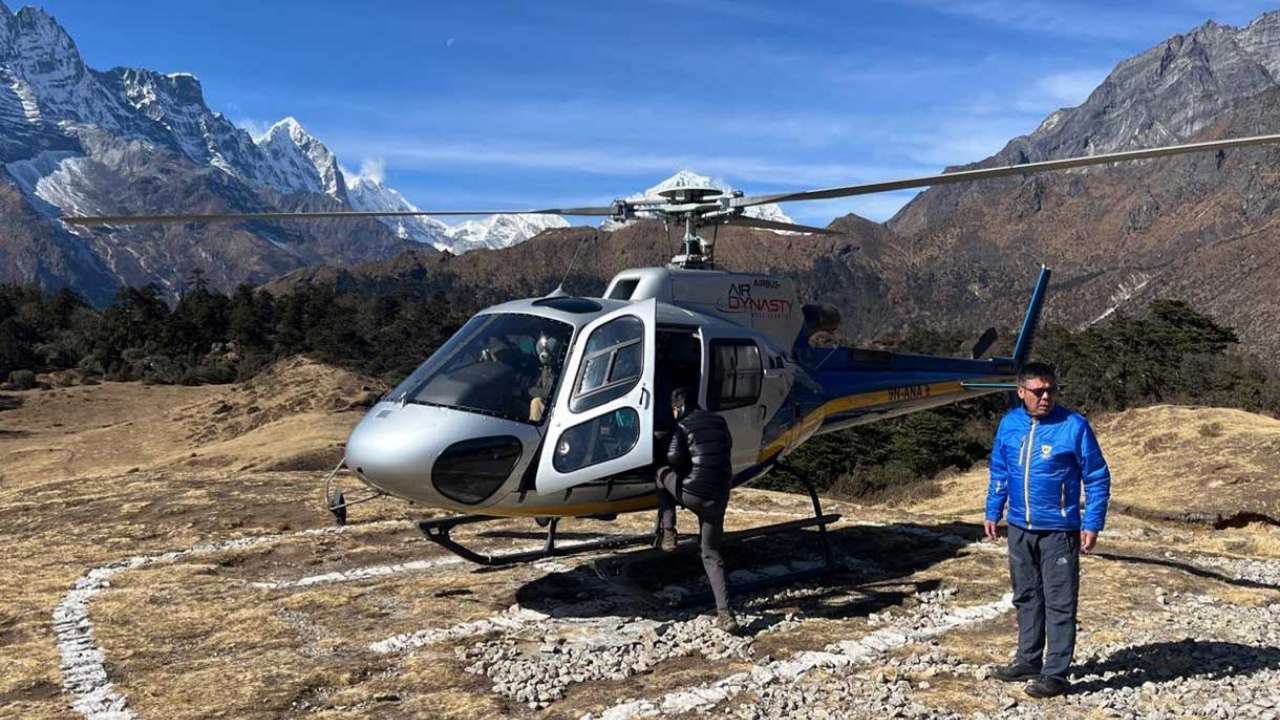
The 10-day format also makes this package relevant to travelers who want a more comfortable EBC experience but have a fixed vacation schedule. The trade-off is straightforward: you pay substantially more than for a standard EBC trek, so it is worth choosing only if comfort and upgraded services are genuinely important to you.
This is not necessarily the right package for someone simply looking for the cheapest or most traditional way to reach Base Camp. It is aimed at travelers who want to combine the Everest experience with a higher level of comfort and are comfortable with the additional cost.
Current Starting Price: US$ 3,850 per person
14-Day Everest Base Camp Gokyo Lakes Trek: Two of the Everest Region’s Iconic Destinations in One Trek
The Everest Base Camp Gokyo Lakes Trek is for travelers who don't want their Everest journey to end with Base Camp alone. Over 14 days, the itinerary combines the classic Everest Base Camp experience with the Gokyo Valley and its glacial lakes, giving you a broader view of the Everest region than the standard route.
The biggest difference is the variety of the journey. The traditional EBC trail takes you toward Everest Base Camp through the main Khumbu settlements, while the Gokyo route adds another side of the region, including the turquoise glacial lakes surrounded by high Himalayan peaks. Depending on the itinerary, the route also involves crossing or navigating high-altitude terrain, so this is not simply a sightseeing extension added to an otherwise standard EBC trek.
It is worth considering the extra commitment. At 14 days, this trek requires more time than the standard 12-day EBC package, and the combined route involves more varied high-altitude terrain. In return, you get two major experiences from the Everest region rather than choosing between them. For someone making the long journey to Nepal specifically for the Himalayas, that additional variety can be a much better use of time than repeating the standard trail.
Current Starting Price: US$ 1,510 per person
19-Day Jiri to Everest Base Camp Trek: The Traditional Road Into the Everest Region
The Jiri to Everest Base Camp Trek is the longest EBC itinerary in the package range, but the additional days are not simply there to make the trek longer. The route begins in Jiri, in the lower Solu region, rather than starting with the usual flight toward Lukla. From there, you gradually make your way toward the Khumbu and eventually join the trail leading to Everest Base Camp.
That changes the character of the trip considerably. Instead of arriving directly into the high trekking region, you experience a longer transition through the lower hills, villages, forests and changing landscapes before reaching the high Himalayas. The approach also has historical significance because Jiri was the traditional overland gateway used by trekkers heading toward Everest before Lukla became the primary air gateway.
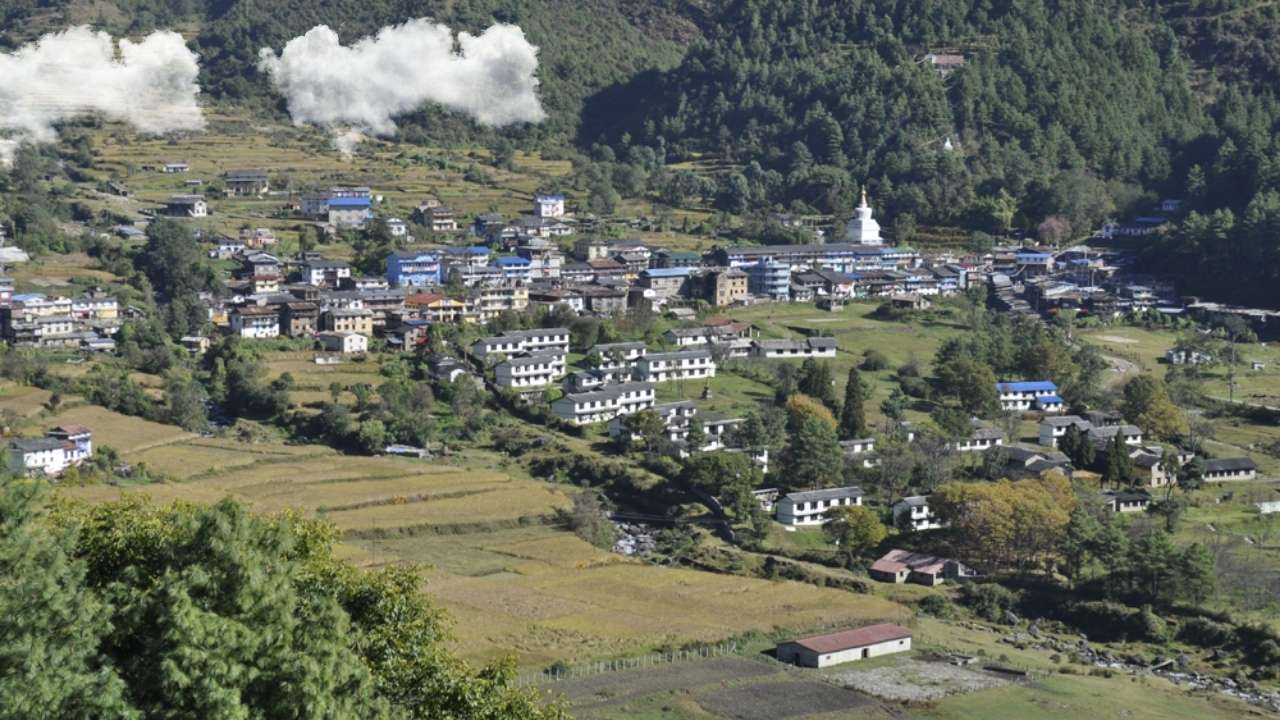
The 19-day duration is therefore part of the attraction rather than a disadvantage. You are getting a much longer Himalayan journey, not simply spending seven extra days walking the same EBC trail. The trade-off is obvious: you need considerably more time and should be comfortable committing almost three weeks to the trek.
For travelers who are fascinated by the journey itself and want to experience a more traditional approach to Everest, Jiri offers something the standard Lukla itinerary cannot reproduce.
Current Starting Price: US$ 1,740 per person
16-Day Everest Base Camp Trek by Road: Reach Everest Base Camp Without the Lukla Flight
The Everest Base Camp Trek by Road package offers an alternative for travelers who want to reach Everest Base Camp but would rather approach the Everest region overland instead of flying to Lukla. The road journey changes the beginning of the trip and makes the overall itinerary longer, but it removes the need to rely on the conventional Lukla flight as your gateway into the Khumbu.
That can be an important consideration for some trekkers. Lukla flights are operated in a mountain environment and can be affected by weather and operational conditions. Taking the road does not eliminate delays; road travel has its own uncertainties, but it gives travelers a different way of reaching the trekking region and allows them to experience more of the landscape on the approach.
At 16 days, this option requires more time than the standard 12-day EBC itinerary, and the higher starting price of US$1,785 reflects the additional overland logistics involved. The extra time is therefore not simply an extension of the trek itself; part of the difference comes from changing how you get to and from the Everest region.
This package makes the most sense for someone who has enough time available and specifically wants to avoid the Lukla flight, whether because of personal preference, concern about mountain flights, or simply a desire to experience the journey overland.
Current Starting Price: US$ 1,785 per person
Why Book Everest Base Camp Trek Packages With Eco Holidays Nepal?
An Everest Base Camp Trek involves more than walking from Lukla to Base Camp. Flights, permits, accommodation, meals, guides, porters, acclimatization and changes caused by mountain weather all have to fit together. You can arrange these things independently, but a package means you have a local team handling the logistics before and during the trek while you concentrate on the journey itself.
-
A Local Team in Nepal
Eco Holidays Nepal is a Nepal-based trekking company, so your trip is coordinated by people working in the country rather than through a distant booking office. That matters on a trek like Everest Base Camp, where plans sometimes have to change because of weather, flight operations or conditions in the mountains. Having a local team available in Kathmandu gives you somewhere to turn when something does not go exactly according to the original itinerary.
-
Help With Flights and Ground Logistics
Getting to the Everest region can involve more than simply booking a flight to Lukla. Depending on the season and current flight operations, trekkers may use Kathmandu or Ramechhap as the departure point for Lukla flights. We coordinate the applicable domestic flight arrangements and ground transportation, including the road transfer between Kathmandu and Ramechhap when required by the operating schedule. This is particularly useful because mountain flights are weather-dependent. A package cannot eliminate delays, but having a local team monitoring the situation and helping reorganize the logistics can make an unexpected change considerably easier to manage.
-
Permits and Trekking Documentation
The Everest Base Camp route requires the appropriate local permits and entry documentation. These arrangements are handled as part of the trekking service, so you do not have to work out which permits are needed and where to obtain them before setting off.
-
Accommodation and Meals Along the Trail
Accommodation on the EBC route is primarily in teahouses and lodges, with the standard varying between villages and elevations. Your package includes the accommodation specified in your itinerary, allowing the logistics to be arranged before you arrive at each overnight stop. Meals during the trek are also arranged according to the package. This gives you access to the food available along the route without having to independently organize meals at every stop.
-
Experienced Guides and Porter Support
A guide does more than lead the way. On a high-altitude trek, an experienced local guide can help you understand the pace of the itinerary, recognize when conditions require a slower approach, and communicate with local lodges and service providers along the trail.
Porters can also make a significant difference, particularly on a trek where you are walking for several hours a day at increasing elevations. Your package specifies the porter arrangements and luggage support provided, allowing you to trek with a manageable daypack rather than carrying your entire trip's belongings.
-
Acclimatization Is Part of the Itinerary
A good Everest Base Camp itinerary is not simply about reaching Base Camp as quickly as possible. Your body needs time to adjust as the altitude increases, which is why established EBC itineraries include acclimatization periods, particularly around Namche Bazaar and Dingboche. Our itineraries are structured with acclimatization in mind rather than treating rest days as wasted time. These stops give trekkers opportunities to explore the surrounding area while allowing their bodies more time to adapt before continuing toward the higher elevations.
-
Support When Plans Change
Mountain trekking does not always follow the timetable printed on the itinerary. Flight delays, bad weather, illness or trail conditions can require changes to the original plan. A local trekking company can help coordinate accommodation, transportation and other arrangements when circumstances require an adjustment. For this reason, we recommend that trekkers carry appropriate travel insurance, including coverage suitable for high-altitude trekking and emergency evacuation. Insurance remains the traveler's responsibility; the role of the trekking company is to assist with coordination when an emergency or major disruption occurs.
-
Private or Group Departures
Not everyone wants to trek in exactly the same way. A private Everest Base Camp Trek can provide greater flexibility over departure dates, walking pace and group composition, while a group departure allows you to share the journey with other trekkers. If you are unsure which option makes more sense for you, we can help you choose between the available itineraries rather than simply placing you into the same package as everyone else.
-
What a Package Really Gives You
The main advantage of booking an Everest Base Camp Trek package is not that it makes the mountains easier. It makes the logistics easier to manage. You still have to walk the trail, deal with changing mountain weather, and adjust to high altitude. What you do not have to spend your trip worrying about is whether the next lodge has been arranged, whether the necessary permits are in place, how your luggage will reach the next village or what happens if a flight is disrupted. That is the practical value of having a local trekking team behind your Everest Base Camp journey.
Find Your Everest Base Camp Trek Package
You don't need to choose the most expensive package or the longest itinerary; you need the one that fits your time, budget, and the kind of experience you want in the Everest region. Not everyone comes to Everest with the same plan. You might want the classic trail, have only a few days to spare, or want to take your time and add Gokyo Lakes along the way. Tell us what kind of trip you are after, and we will help you find the route that makes sense.
Still deciding? That is completely fine. Tell us your available dates, number of travelers, and what you are looking for, and our local trekking team can help you choose the most suitable package before you book.
Ready to Start Planning?
Compare Everest Base Camp Trek Packages→
Have a different itinerary in mind? We can also discuss private departures and tailor the trek around your available time and travel preferences.