

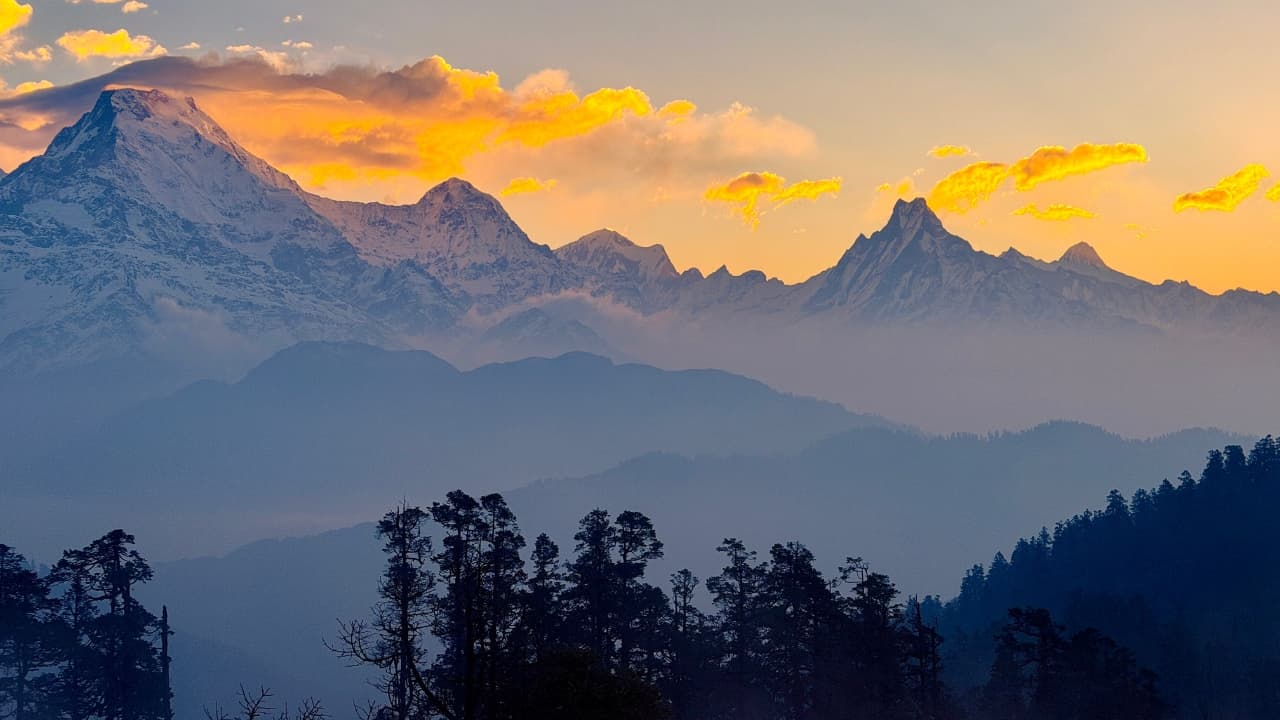
The Annapurna Circuit Trek cost generally ranges from US$900 to US$1,800 person for a standard guided trekking experience, depending on the itinerary, group size, transportation, accommodation, meals, and trekking services. A shorter circuit may require a smaller overall budget, while extending the journey to Tilicho Lake or Nar Phu Valley increases the cost through additional trekking days, permits, and logistics. Beyond the package price, you should also account for travel insurance, personal expenses, tips, and international travel arrangements.
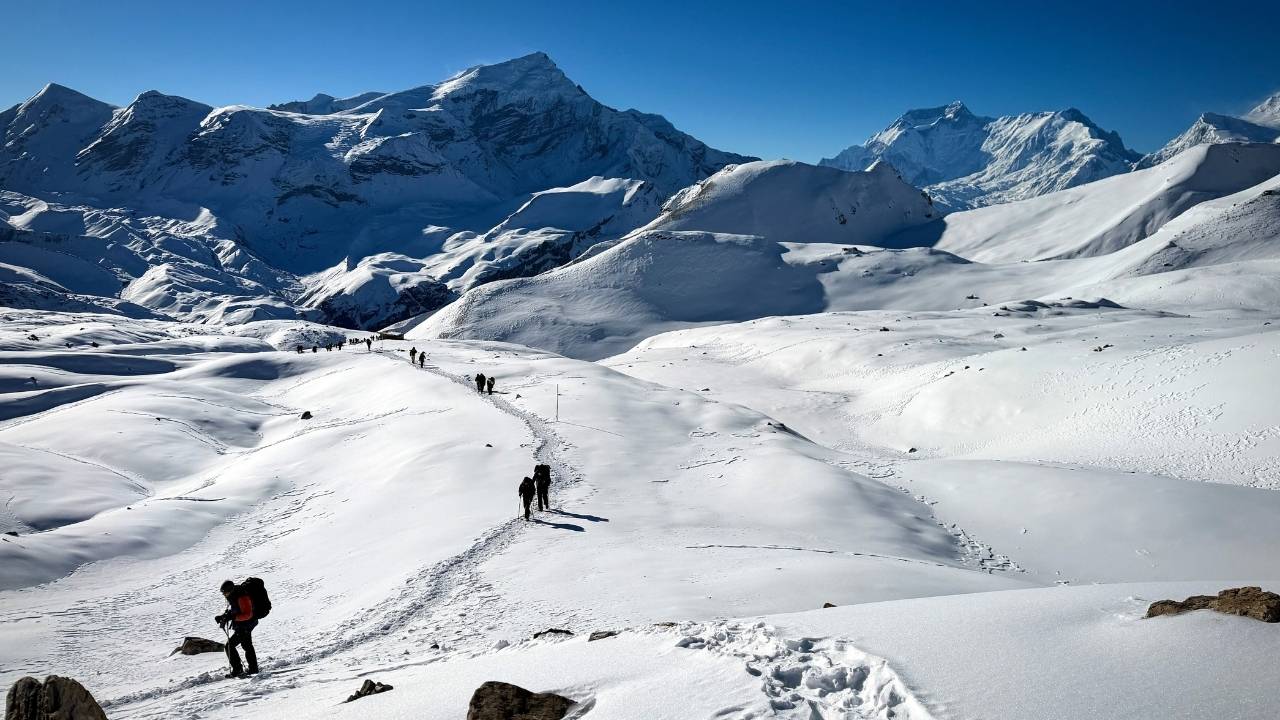
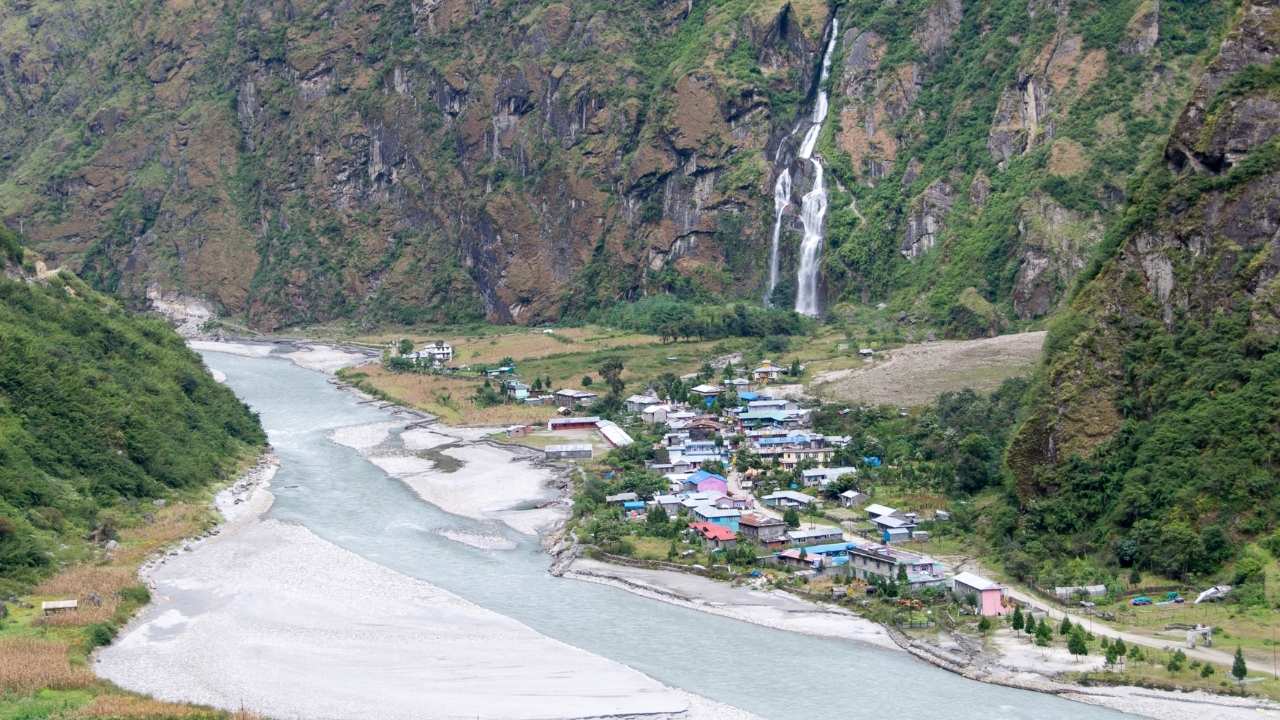
The 160 to 230 km Annapurna Circuit route, depending on your starting point and road transportation, takes you from the green Marsyangdi River valley through villages such as Chame, Pisang, and Manang before reaching the 5,416-meter at Thorong La Pass. The journey then descends toward Muktinath and the dry, dramatic landscapes of Mustang. With 12 to 18 days commonly allocated to the trek, accommodation, food, transportation, and staff expenses make up a considerable part of your budget.
Your final spending depends largely on how you organize the journey. A guided package combines essential trekking arrangements, whereas independent budgeting requires you to account for each service separately. Daily expenses for hot showers, Wi-Fi, charging, snacks, and drinks can also add up, particularly in higher settlements where supplies are transported over long distances.
This guide explores the Annapurna Circuit Trek price in detail, covering package costs, permits, guide and porter fees, food, accommodation, transportation, and additional expenses. You will also find budget comparisons for different itineraries and practical ways to plan your spending without overlooking the costs that often catch trekkers by surprise.
How Much Does the Annapurna Circuit Trek Cost in 2026/2027?
The Annapurna Circuit Trek costs approximately US$950 to US$1,800 per person for a budget to standard guided trek, while mid-range and premium arrangements can cost US$1,900 to US$4,000 or more. The final price depends on your trekking duration, group size, accommodation preferences, transportation, and the services included in your package.
|
Trekking Style |
Estimated Cost per Person (US$) |
|
Budget/ Shared Guided Trek |
950 to 1,300 |
|
Standard Guided Trek |
1,300 to 1,900 |
|
Mid-Range Trek |
1,900 to 2,600 |
|
Premium/ Luxury Trek |
2,600 to 4,000+ |
A budget trek generally involves basic teahouse accommodation, shared transportation, and essential trekking services. Standard packages usually include a licensed guide, porter arrangements, permits, meals, accommodation, and ground transportation. Mid-range and premium options may offer private jeeps, upgraded accommodation, smaller groups, and more personalized services.
Group size also affects your per-person cost. Solo trekkers often pay more because guide, transportation, and logistical expenses are not shared, whereas couples and groups can benefit from lower individual rates. These estimates generally refer to trekking expenses rather than the complete international holiday. International airfare, Nepal visa, travel insurance, personal trekking equipment, tips, and additional spending may be excluded.
Your starting and ending points also influence the budget. Beginning the trek farther along the road toward Chame can reduce trekking days, while finishing around Jomsom and arranging transportation to Pokhara affects your overall travel expenses. Adding Tilicho Lake with Annapurna Circuit Trek or Nar Phu Valley requires a separate budget for additional days and permits.
Annapurna Circuit Trek Cost Breakdown
For a 14-day Annapurna Circuit Trek, your total expenses are distributed across permits, trekking staff, food, accommodation, transportation, insurance, and personal spending. Food, guide services, and transportation generally account for a considerable share of the budget, while permits are comparatively predictable expenses. The following breakdown provides an estimated planning budget for one trekker.
Estimated Expenses for a 14-Day Trek
|
Expense |
Estimated Cost (US$) |
|
Annapurna Conservation Area Permit (ACAP) |
25 to 30 |
|
Trekking Guide |
350 to 490 |
|
Porter |
250 to 350 |
|
Food and Meals |
280 to 420 |
|
Teahouse Accommodation |
50 to 140 |
|
Ground Transportation |
60 to 200 |
|
Personal Expenses |
50 to 100 |
|
Travel Insurance |
100 to 200 |
|
Guide and Porter Tips |
100 to 180 |
These are illustrative budgeting estimates, not a fixed package quotation. Actual costs vary with nationality, exchange rates, route, group size, service arrangements, and package inclusions.
The expenses fall into three main categories: relatively fixed costs, daily trekking expenses, and optional or personal costs. Your ACAP permit is a predictable entry expense, while guide and porter charges depend on the number of trekking days and service arrangements. Food typically requires around 20 to 30 per day, with prices increasing as you move farther from road-accessible settlements.
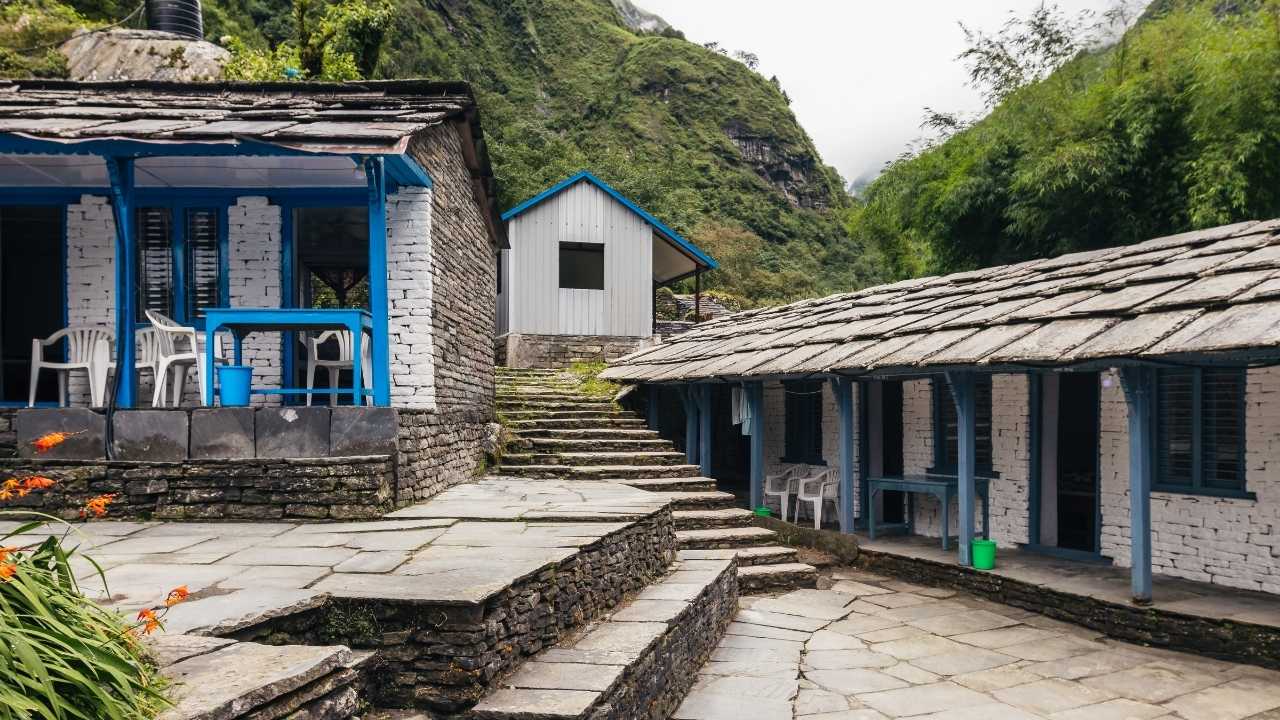
Accommodation is generally more affordable in lower villages, where basic teahouse rooms may cost only a few dollars per night. However, the availability of rooms, room-sharing arrangements, and facilities can influence the final amount. Transportation is another variable expense because local buses, shared jeeps, and private vehicles have different rates. Your starting point, whether Besisahar, Chame, or a farther trailhead, also determines how much you spend getting to and from the trekking route.
Likewise, travel insurance should be arranged before departure, with coverage appropriate for trekking above 5,000 meters and emergency helicopter evacuation. Tips are discretionary but should be included in your budget if you plan to recognize the work of your guide and porter.
One important budgeting detail: These figures should not simply be added to an advertised trekking package price. Many guided packages already cover permits, staff, meals, accommodation, and transportation. Adding those expenses again would overestimate your actual spending.
For a realistic budget, first identify what your package covers, then add excluded expenses such as insurance, personal purchases, tips, and optional services. This gives you a much clearer picture of the money you will actually need for the Annapurna Circuit.
Annapurna Circuit Trek Package Cost: What Does the Price Include?
A guided Annapurna Circuit Trek package is designed to cover most of the essential logistics you need from your arrival in Nepal to the end of the mountain journey. Instead of arranging every service separately, your package brings together transportation, accommodation, meals, permits, trekking staff, safety support, and basic trekking gear. Knowing what is included helps you compare trekking prices more accurately, because a cheaper headline price may not cover the same services.
-
Airport Transfers and Ground Transportation
The package includes private airport pickup and drop-off, followed by the overland journey from Kathmandu toward the trekking route. For this itinerary, transportation includes the Kathmandu to Syange bus, ground transfers during the trek on a shared basis, and a tourist bus from Pokhara to Kathmandu after completing the circuit. This covers the major road connections rather than requiring you to arrange transportation independently at each stage.
-
Kathmandu and Pokhara Accommodation
Accommodation includes two nights in a tourist-standard twin-sharing hotel in Kathmandu with breakfast and one night in a tourist-standard hotel in Pokhara after the trek. Once you enter the mountains, accommodation changes to local trekking lodges and teahouses, allowing you to stay close to the trail and mountain communities throughout the walking section.
-
Three Meals a Day During the Trek
Breakfast, lunch, and dinner are included throughout the trekking portion. This is particularly useful for budgeting because food becomes an everyday expense on a 16-day mountain journey. Meals are served through the local teahouses along the route, where you can expect familiar trekking staples alongside traditional Nepali food.
-
Annapurna Conservation Area and TIMS Permits
The package covers the necessary trekking paperwork, including the Annapurna Conservation Area Project (ACAP) entry permit and TIMS permit listed on the package page. These permits are part of the administrative cost of accessing and trekking through the Annapurna region, so you do not have to arrange them separately when they are included in your package.
-
Licensed Trekking Guide and Porter
A government-licensed, English-speaking trekking guide accompanies the journey, providing route guidance and day-to-day trekking support. The package also includes strong and experienced porters at a ratio of one porter for every two trekkers, meaning your main luggage can be carried while you walk with a lighter daypack.
-
Safety, Equipment, and Trekking Support
The package also includes several practical services that are easy to overlook when comparing prices:
-
Comprehensive first-aid supplies
-
Emergency helicopter rescue arrangement, with evacuation costs handled by your travel insurance company
-
Sleeping bag, down jacket, and duffel bag for use during the trek (at Eco Holidays Nepal)
-
Annapurna Circuit trekking map
-
Oximeter checks twice daily to monitor oxygen saturation, pulse, and heart rate
-
Government taxes and official expenses
-
Eco Holidays Nepal T-shirt
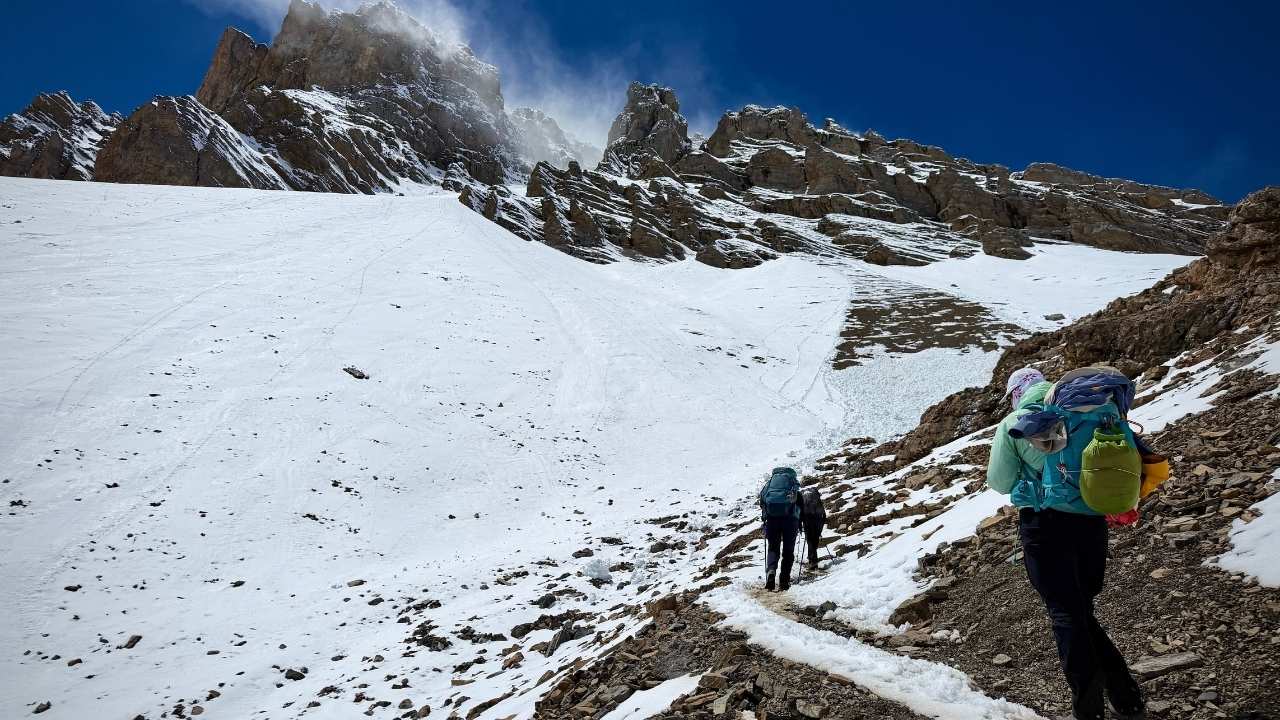
These inclusions matter because the Annapurna Circuit takes you from the lower Marsyangdi Valley to 5,416 meters at Thorong La Pass. Services such as a licensed guide, altitude monitoring, appropriate equipment, and first-aid support become particularly relevant as the trail moves into the high-altitude section.
General Annapurna Circuit Trek Cost Exclusions
Even when a trekking package covers the major logistics, you should keep a separate budget for expenses that are normally paid directly by you. On the standard Annapurna Circuit package, these exclusions include several everyday costs as well as a few larger travel expenses.
-
Meals in Kathmandu and Pokhara
The package includes breakfast during the specified Kathmandu hotel stays and meals during the trek, but lunch and dinner in Kathmandu and Pokhara are not included. You therefore need to budget separately for meals before and after the mountain journey.
-
Travel and Medical Insurance
Travel and medical insurance is not included in the trekking price. This is particularly important for the Annapurna Circuit because the route reaches 5,416 meters at Thorong La Pass. Your policy should provide appropriate high-altitude trekking coverage and emergency evacuation protection. The package can arrange emergency helicopter service, but the evacuation cost is handled through your travel insurance.
-
Drinks and Personal Food
Tea, coffee, soft drinks, bottled drinks, alcoholic beverages, and other hot or cold drinks are additional expenses. Chocolate, cake, pie, pudding, and other desserts or sweet snacks are also excluded. These small purchases can become a noticeable part of your daily spending during a 14 to 16 day trek.
-
Hot Showers and Battery Charging
Basic teahouse accommodation is included, but services such as hot showers and battery charging are paid separately. Charges can vary between lodges and generally become more noticeable at higher elevations.
-
Tips for Trekking Staff
Tips for your guide, porter, and driver are not included in the package. The package specifically notes that tipping is expected, so it is sensible to keep this amount separate from your regular trekking budget rather than treating it as an unexpected expense at the end.
-
Extra Hotel Nights and Optional Transportation
Additional hotel nights in Kathmandu or Pokhara are not covered if your travel plans require you to stay beyond the scheduled itinerary. Similarly, the standard package uses a tourist bus from Pokhara to Kathmandu; a flight from Pokhara to Kathmandu is an optional additional cost, listed at US$105 on the current package page.
In practical terms, your package price covers the core trekking logistics, while your exclusion budget should mainly cover insurance, personal spending, drinks and snacks, tips, optional transport, and any additional nights. Planning these costs separately gives you a much more realistic picture of your total Annapurna Circuit Trek budget.
Additional Expenses to Include in Your Annapurna Circuit Budget
The advertised Annapurna Circuit Trek price does not represent every rupee you may spend during your Nepal trip. Several smaller expenses arise before, during, and after the trek, and although none is usually significant on its own, they can add up over a two-week journey. A practical personal spending allowance of around US$10 to US$20 per day is reasonable for routine expenses, excluding insurance, tips, and major emergencies.
|
Expense |
Budget Consideration |
|
Depends on nationality and visa duration |
|
|
Travel Insurance |
Varies by coverage, trekking altitude, and evacuation protection |
|
Trekking Gear |
Purchase or rental depending on what you already own |
|
Hot Showers |
Usually paid separately at teahouses |
|
Wi-Fi |
Pay per use or available through lodge packages |
|
Charging |
May cost more at higher-altitude lodges |
|
Snacks and Drinks |
Daily personal spending; prices rise at higher elevations |
|
Tips |
Budget separately for your guide and porter |
|
Emergency Reserve |
Allow for unexpected transport, accommodation, or itinerary changes |
Some costs are easy to overlook because they appear only after you reach the trail. Hot showers, Wi-Fi, and battery charging are commonly charged separately by teahouses, while snacks, chocolate, soft drinks, coffee, and other treats can gradually increase your daily spending. The price of these services and supplies generally rises as you move into more remote and higher settlements. Your trekking gear budget depends heavily on what you already own.
If you have suitable boots, layers, a sleeping bag, trekking poles, and a down jacket, you may only need to rent or replace a few items. Otherwise, gear purchase or rental can become a substantial additional expense. Finally, keep a small emergency reserve for unexpected road delays, additional accommodation, or transportation changes. You may never need it, but having money set aside prevents an unforeseen expense from disrupting the trek.
Is the Annapurna Circuit Trek Worth the Cost?
The value of the Annapurna Circuit comes from the variety packed into one long Himalayan journey, rather than from reaching a single destination. Over roughly 12 to 18 days, depending on the itinerary and road transfers, the route moves from greener lower valleys into the high, dry landscape of Manang, crosses Thorong La at 5,416 meters, and descends through Muktinath and the Kali Gandaki Valley toward Mustang. Nepal Tourism Board highlights the route's changing landscapes, mountain scenery, villages, and cultural diversity as defining features of the Annapurna region.
You also experience a substantial change in climate and culture as you gain elevation. Lower sections feature forests, farmland, and traditional hill settlements, while Manang has a distinctly Tibetan-influenced environment. After the pass, the landscape becomes markedly drier, with Muktinath and the Kali Gandaki corridor adding another dimension to the journey. The cost becomes easier to put into perspective when you consider what a guided package can cover: multiple nights of teahouse accommodation, daily meals, permits, transportation, a licensed guide, porter support, and trekking equipment.
For trekkers who want to experience the circuit without arranging each service independently, these bundled logistics can also make budgeting more predictable. That said, the trek is not simply about getting the most attractions for your money. It involves long walking days, substantial elevation gain, and a demanding crossing of Thorong La. The value ultimately depends on what you want from a Himalayan trek: landscape diversity, mountain culture, a high-altitude pass, and a longer journey through changing environments, rather than on the price alone.
How to Reduce Annapurna Circuit Trek Cost Without Compromising the Experience?
Reducing your Annapurna Circuit Trek cost does not necessarily mean choosing the cheapest accommodation or cutting essential services. The biggest savings usually come from sharing fixed costs, planning your route carefully, and avoiding unnecessary upgrades while keeping a licensed guide, appropriate insurance, and essential equipment.
-
Trek in a Small Group: Joining a small group can significantly reduce your per-person cost because expenses such as guide services, private transportation, and some logistical arrangements can be shared. Solo trekkers often carry a larger share of these fixed costs.
-
Choose Shared Transportation: Private jeeps offer more flexibility but can increase your transportation budget considerably. Where practical, using local buses or shared jeeps for road sections can reduce costs while still getting you to the trail.
-
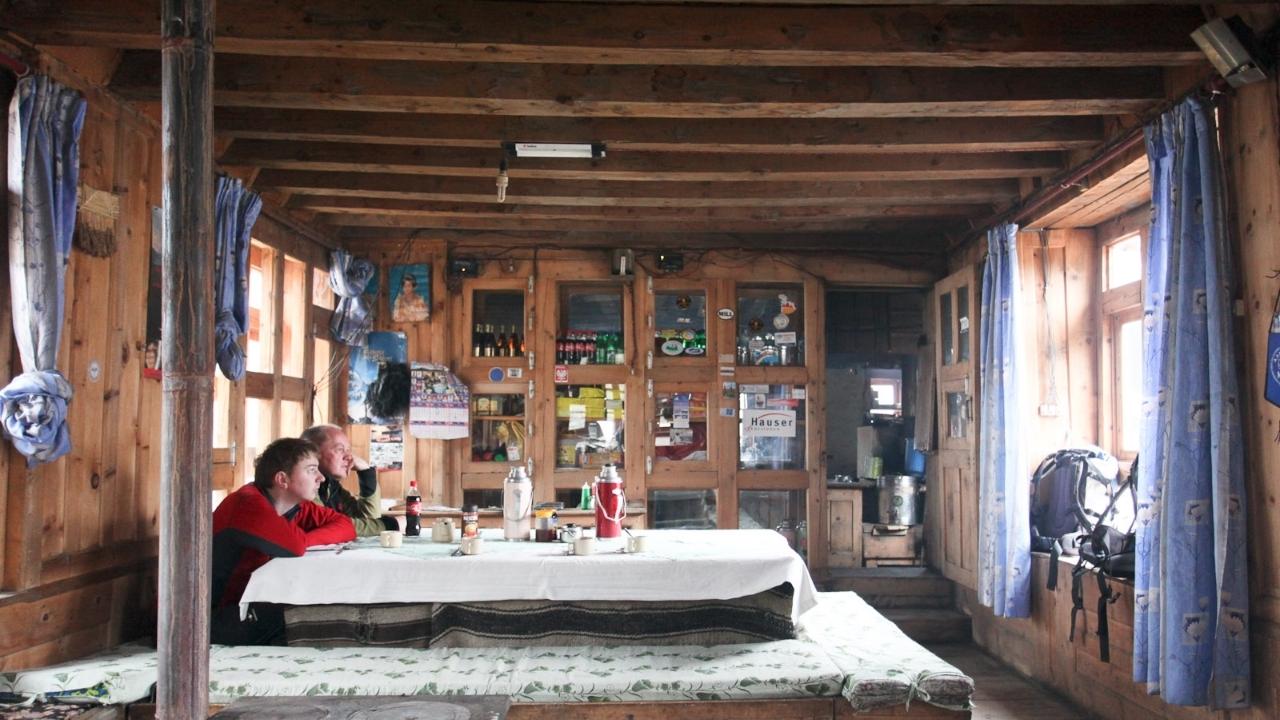
Use Teahouse Accommodation: You do not need luxury accommodation to enjoy the Annapurna Circuit. Local teahouses provide a comfortable place to sleep, meals, and the opportunity to experience mountain communities directly. Standard twin-sharing rooms are generally sufficient for most trekkers.
-
Carry Reusable Water Equipment: Buying bottled water throughout the trek can become an unnecessary recurring expense. Carry a reusable bottle or hydration bladder and use safe water-refilling and purification methods appropriate for the route.
-
Rent Gear You Will Not Use Often: If you are unlikely to trek at high altitude regularly, renting items such as a down jacket, sleeping bag, or trekking poles in Kathmandu can be more economical than purchasing everything before your trip.
-
Plan Your Route Before You Start: Extra trekking days mean additional accommodation, meals, guide, and porter expenses. Decide beforehand whether you want to include extensions such as Tilicho Lake or Nar Phu Valley, rather than adding side trips unexpectedly during the trek.
-
Keep a Daily Personal Budget: Small purchases can quietly increase your expenses at altitude. Set aside around US$10 to US$20 per day for snacks, drinks, charging, Wi-Fi, showers, and other personal expenses, while keeping a separate emergency reserve.
The goal is not to make the Annapurna Circuit as cheap as possible. It is to spend your budget where it contributes most to the journey: good logistics, experienced trekking support, appropriate equipment, and enough flexibility to enjoy the trail without constantly worrying about additional costs.