

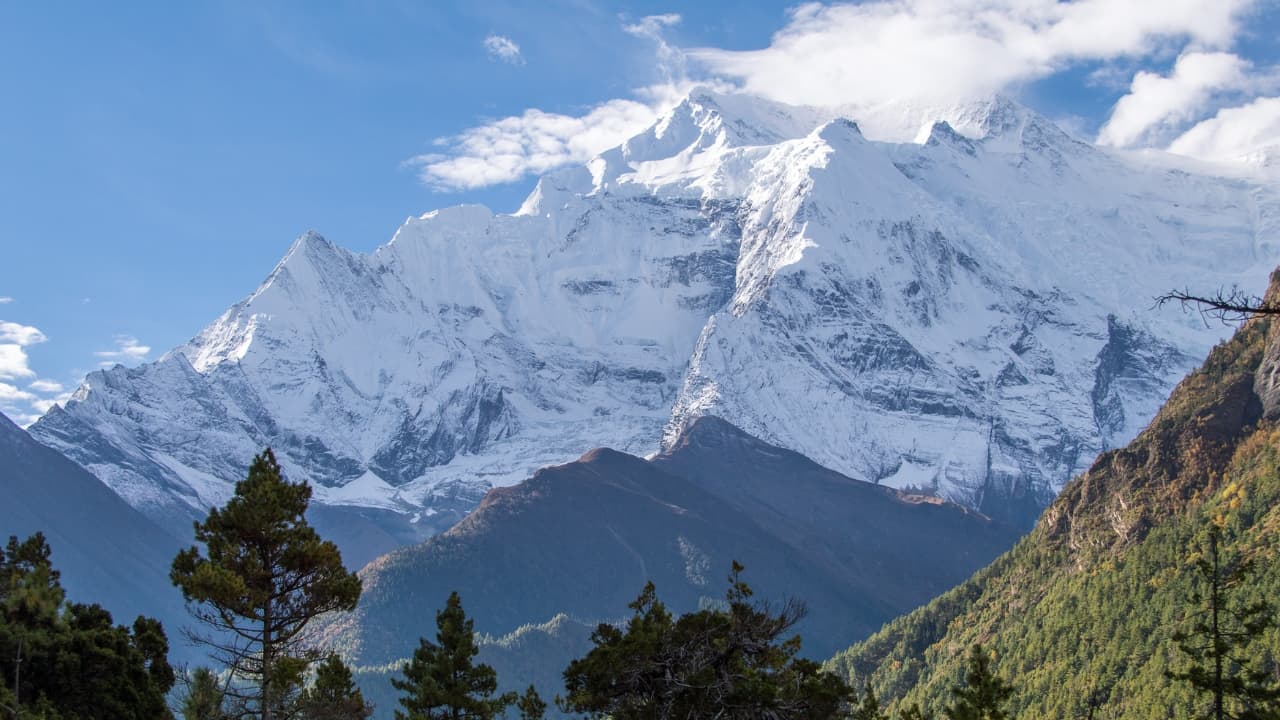
November is one of the most rewarding months to trek the Annapurna Circuit if you want clear Himalayan views, relatively dry trails, and comfortable walking conditions before winter settles into the high mountains. The main autumn trekking season is still underway, but the landscape begins to feel different as you climb higher. The lower valleys retain their autumn colors, the air becomes crisp around Manang, and fresh snow may appear on the peaks surrounding Thorong La Pass (5,416 m/ 17,769ft). With daytime temperatures often pleasant for walking and less lingering monsoon moisture, you have a good chance of enjoying long stretches of mountain scenery under clear skies.
What makes the Annapurna Circuit Trek in November particularly appealing is the balance between favorable trekking weather and the changing atmosphere of the Himalayas. You can walk through traditional Gurung, Manangi, and Thakali settlements, observe local life shaped by the mountain environment, and watch the scenery shift from subtropical valleys to dry, high-altitude terrain. The challenge becomes more noticeable as you approach Manang and Thorong La, where nights grow colder, mornings can be frosty, and early-season snowfall may affect the pass. These conditions make proper layering, acclimatization, and a flexible schedule important, especially during the second half of the month.
If you prefer stable autumn weather, panoramic mountain views, and a demanding trek that combines natural scenery with Himalayan culture, November is an excellent time to consider the Annapurna Circuit. It suits trekkers who are reasonably fit, comfortable with long walking days, and prepared for freezing temperatures at higher elevations. By planning around the colder conditions at Thorong La and allowing enough time to acclimatize, you can experience the circuit at a time when the mountains are often exceptionally clear, and the transition toward winter adds another dimension to the journey.
Annapurna Circuit Trek in November- Package Overview
November is a strong month for the Annapurna Circuit, combining clear autumn mountain views with a noticeable shift toward colder winter conditions at higher elevations. Over the course of the trek, you move from the warmer Marsyangdi River valley into the dry, high-altitude landscapes of Manang, cross Thorong La Pass, and descend toward the pilgrimage site of Muktinath. The journey continues through the Kali Gandaki Valley and warmer villages before climbing toward Ghorepani and Poon Hill.
The standard Eco Holidays Nepal itinerary takes 16 days, including arrival and departure in Kathmandu, road transfers, acclimatization, and trekking. November generally offers favorable visibility for mountain photography, but temperatures drop sharply around Thorong High Camp and Thorong La Pass. Your experience will depend partly on your departure date, as the first half of November is usually less exposed to winter conditions than the final weeks.
|
Trek Detail |
November Overview |
|
Duration |
16 days, including arrival, departure, transportation, and trekking |
|
Starting Point |
Kathmandu, followed by a drive to Syange via Besisahar |
|
Trek Difficulty |
Moderate to challenging, particularly around Thorong La Pass |
|
Highest Point |
Thorong La Pass (5,416m/ 17,769ft) |
|
Typical Walking Time |
Around 4 to 7 hours on most trekking days, with 7 to 8 hours for the Thorong La crossing |
|
Main Route |
Kathmandu → Syange → Dharapani → Chame → Pisang → Manang → Yak Kharka → Thorong High Camp → Thorong La Pass → Muktinath → Jomsom → Tatopani → Ghorepani → Poon Hill → Tikhedhunga → Pokhara → Kathmandu |
|
Acclimatization |
A dedicated rest and acclimatization day in Manang (3,519m/ 11,545ft) |
|
Landscape |
River valleys, terraced hillsides, pine forests, dry alpine terrain, snow-covered peaks, and the Kali Gandaki Valley |
|
Cultural Experience |
Gurung, Manangi, and Thakali communities, Buddhist monasteries, traditional mountain villages, and the sacred Muktinath Temple |
|
Major Attractions |
Thorong La Pass, Manang Valley, Annapurna and Dhaulagiri ranges, Muktinath, Kali Gandaki Valley, Tatopani hot springs, Ghorepani, and Poon Hill |
|
November Conditions |
Generally dry trails and clear mountain views, with colder mornings, freezing nights at altitude, and possible snowfall around the high pass |
The most demanding part of your Annapurna Circuit Trek in November is the crossing from Thorong High Camp (4,540m/ 14,895ft) to Muktinath (3,710m/ 12,171ft), which involves reaching Thorong La before descending into Mustang. Starting early is essential, as temperatures are lowest before sunrise and afternoon weather can become less favorable. Snow or strong winds may affect the crossing, so your guide should assess conditions before you proceed.
Beyond the pass, the route offers a striking change of scenery. You descend into the drier Mustang region, follow the Kali Gandaki corridor toward Tatopani, and climb through forested hills to Ghorepani. The early-morning hike to Poon Hill (3,210m/ 10,531ft) adds another panoramic viewpoint before you complete the journey toward Pokhara.
With its combination of high mountain terrain, distinctive Himalayan cultures, and changing landscapes, the Annapurna Circuit offers much more than a pass crossing in November. You should, however, prepare for colder nights, shorter daylight hours, and possible weather-related delays as winter approaches.
November Weather Conditions on Trail
November brings mostly dry autumn weather to the Annapurna Circuit, with clear mountain views, limited rainfall, and cooler temperatures as you gain elevation. Lower sections around Syange and Dharapani are generally mild during the day, while Manang, Yak Kharka, and Thorong High Camp experience much colder mornings and nights. By the time you approach Thorong La Pass (5,416m/ 17,769ft), temperatures can remain below freezing, particularly before sunrise.
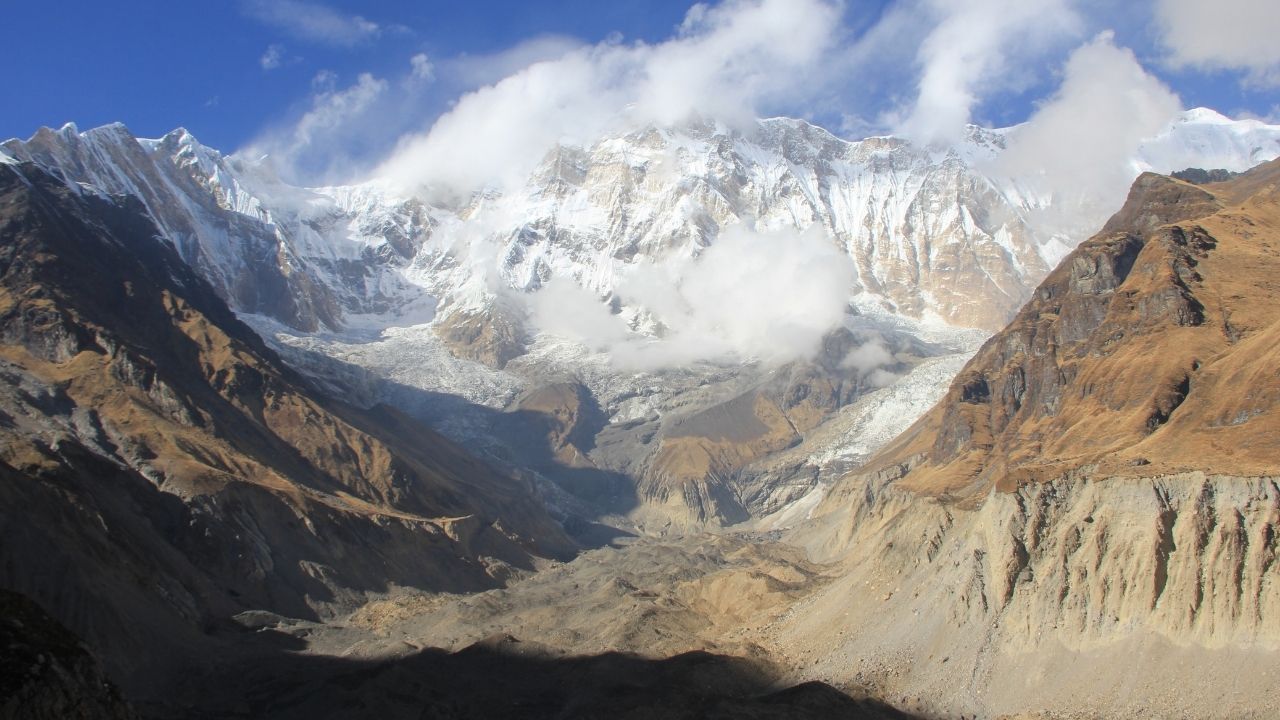
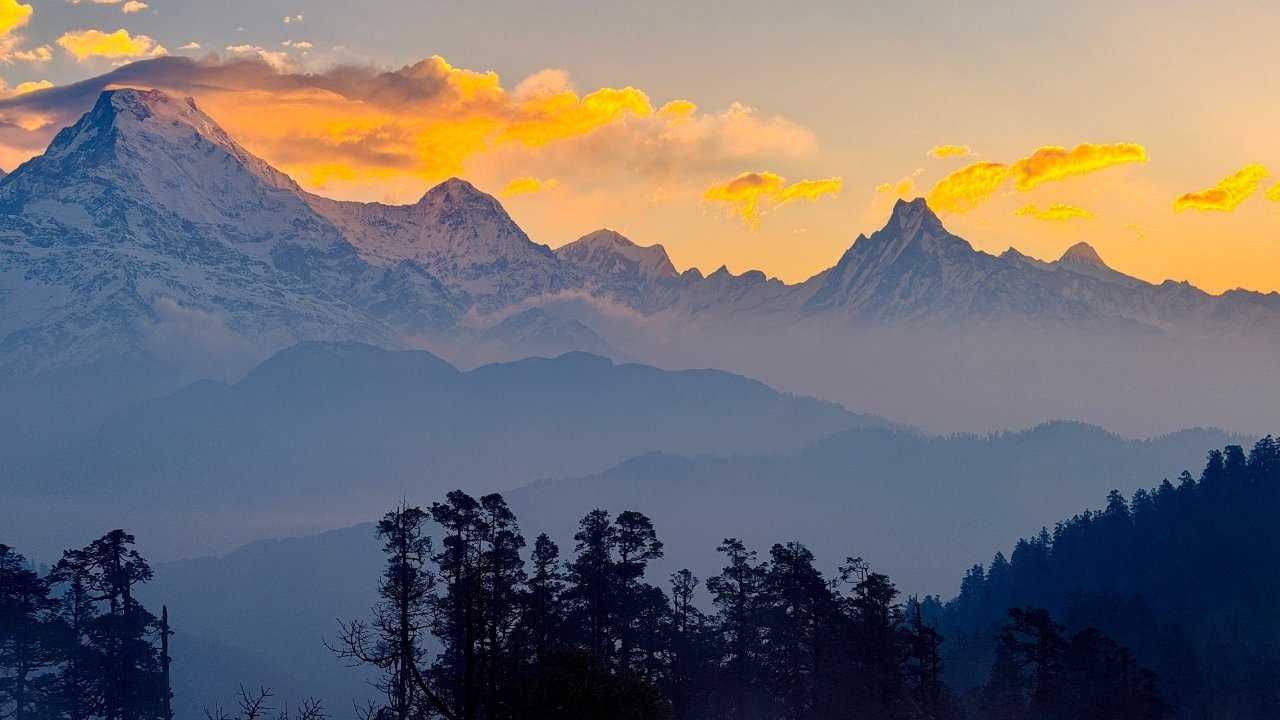
The first half of November generally offers more comfortable conditions than the latter part of the month. As winter approaches, frost becomes more common at higher elevations, and occasional snowfall can affect the trail around Thorong La. Clear skies provide excellent opportunities to view Annapurna II, Gangapurna, Tilicho Peak, and Dhaulagiri, but cold winds and sudden weather changes remain important considerations during the pass crossing.
|
Location |
Approx. November Temperature |
|
Syange (1,080m / 3,543ft) |
Around 15°C to 22°C during the day |
|
Chame (2,670m / 8,759ft) |
Around 7°C to 14°C |
|
Manang (3,519m / 11,545ft) |
Around 3°C to 10°C |
|
Yak Kharka (4,020m / 13,188ft) |
Around -2°C to 6°C |
|
Thorong High Camp (4,540m / 14,895ft) |
Around -8°C to 2°C |
|
Thorong La Pass (5,416m/ 17,769ft) |
Often below 0°C, especially early in the morning |
These are approximate planning ranges, not verified daily averages. Actual temperatures vary with sunshine, wind, and changing weather; nighttime temperatures at higher elevations can fall well below freezing.
November's low rainfall and generally clear skies make it an excellent month for mountain photography and long-distance views. The lower trails are often dry, although shaded sections can be frosty in the morning. Near Thorong La, fresh snow, icy patches, or strong winds can make the crossing more demanding, so check conditions with your guide before departure and begin the pass crossing early. Warm layers, insulated gloves, and a windproof outer shell are essential for the colder sections.
As you descend toward Muktinath and continue through the Kali Gandaki Valley, temperatures gradually become milder before the route climbs again toward Ghorepani and Poon Hill. This variation makes the Annapurna Circuit Trek in November rewarding, but you should prepare for both comfortable daytime walking and freezing conditions at higher elevations.
Major Highlights of Annapurna Circuit Trek in November
November is an excellent month for the Annapurna Circuit because it combines the clear skies of Nepal's autumn trekking season with the changing atmosphere of early winter. You can expect generally dry trails, impressive mountain visibility, and comfortable daytime walking in the lower valleys, while the higher sections introduce colder temperatures and a more rugged Himalayan environment. These seasonal advantages make November particularly appealing if you want extensive mountain views and a complete circuit experience without the persistent rain of the monsoon season.
-
Clearer Himalayan Views After the Monsoon
One of November's strongest advantages is the opportunity to see the Annapurna and Dhaulagiri ranges under clear autumn skies. With the monsoon largely behind you, reduced atmospheric moisture often improves long-distance visibility, particularly during the morning. From Manang and the upper trail, you can admire Annapurna II, Annapurna III, Gangapurna, and surrounding peaks, while the western side of the circuit reveals a different perspective toward Dhaulagiri. These views add considerable value to the trek, especially if mountain photography is one of your priorities.
-
Dry Trails and More Predictable Walking Conditions
Compared with the summer monsoon, November generally brings less rainfall and fewer days disrupted by persistent wet weather. This makes the long walking sections between villages more manageable, with less mud and fewer rain-related interruptions on many parts of the trail. Dry conditions are particularly useful on steep paths and rocky terrain, although frost, ice, and occasional snowfall remain possible at higher elevations. The weather is not guaranteed, but November usually offers a favorable balance for covering the circuit on a planned itinerary.
-
A Favorable Window for the Thorong La Pass Crossing
Thorong La Pass (5,416m/ 17,769ft) is the circuit's highest point and one of the main reasons November requires careful timing. Earlier in the month, conditions can be favorable for crossing before winter weather becomes more established. The surrounding landscape often has excellent visibility, while the cold adds a genuine high-altitude challenge without necessarily preventing a successful crossing. Late-season snowfall and strong winds can still cause difficulties, so checking conditions with your guide and keeping flexibility in your schedule are essential.
-
A Distinct Contrast Between Autumn Valleys and Early-Winter Mountains
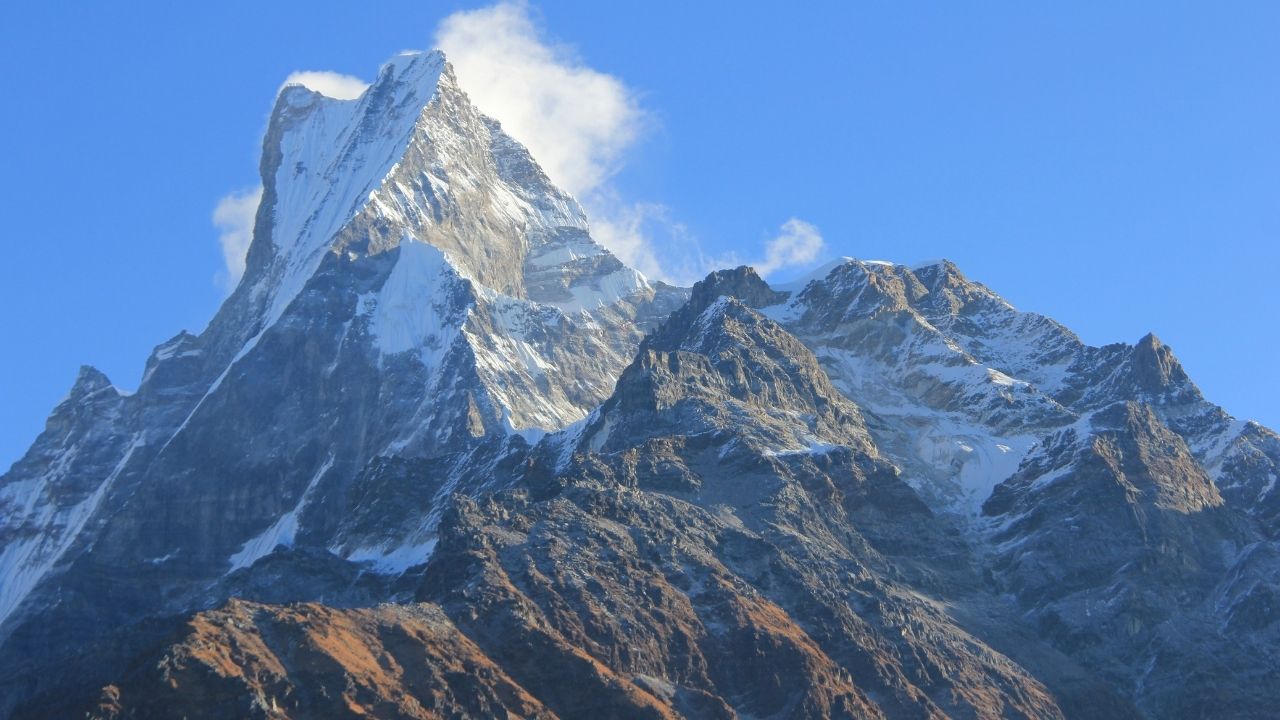
The Annapurna Circuit passes through several climatic and geographical zones, and November makes these contrasts particularly noticeable. Lower settlements such as Syange remain relatively mild during the day, while Manang's dry mountain landscape feels much colder, especially after sunset. Near Thorong High Camp, temperatures can fall well below freezing. This combination allows you to experience different sides of the Himalayas in one journey, from cultivated valleys and forested slopes to exposed alpine terrain, without the widespread monsoon conditions of summer.
-
Comfortable Daytime Trekking Before Winter Intensifies
Although November nights can be bitterly cold at altitude, daytime conditions are often suitable for sustained walking when the sun is out and winds remain light. The lower and middle sections are generally more comfortable, while the higher route demands warmer clothing and careful pacing. For trekkers who prefer cool walking temperatures over summer heat, the Annapurna Circuit Trek in November offers an attractive seasonal balance. Early November is usually the better choice if you want to reduce exposure to the colder conditions that can develop toward the end of the month.
-
Himalayan Culture Without Losing Focus on the Mountains
The circuit's cultural experiences remain accessible in November, from the Buddhist traditions and stone villages around Manang to the religious significance of Muktinath and the Gurung and Thakali communities of the Kali Gandaki Valley. Generally dry weather makes it easier to move between settlements and spend time exploring their surroundings. Teahouse stays also give you opportunities to experience local hospitality and regional food. As the season progresses, some sections may become quieter, although the main route can still be busy in early November.
-
A Good Balance Before the Arrival of Winter
Annapurna Circuit Trek in November suits trekkers who want autumn's generally favorable visibility and dry walking conditions but are also prepared for the first signs of Himalayan winter. Early in the month, conditions are often more comfortable for the high pass, while late November can bring colder nights, frost, and a greater possibility of snowfall. Choosing your dates according to your cold tolerance and allowing flexibility around Thorong La can help you make the most of this seasonal window.
Is November Annapurna Circuit Trek Worth It?
Yes, November is one of the most rewarding months for the Annapurna Circuit if you want clear mountain views, predominantly dry walking conditions, and a chance to cross Thorong La Pass before winter becomes more established. The post-monsoon atmosphere often provides excellent visibility across the Annapurna and Dhaulagiri ranges, while cool daytime temperatures make the long walking sections more comfortable than during warmer months. You also experience a striking contrast between the relatively mild lower valleys and the cold, exposed terrain around Manang and Thorong High Camp.
The main consideration is the temperature at higher elevations. Around Thorong La Pass (5,416m/ 17,769ft), conditions can be below freezing before sunrise, and snowfall or strong winds may affect the crossing. Early November generally offers a more comfortable window than the latter part of the month, although weather can change quickly at any time. You should be prepared for freezing nights, warm clothing, and possible changes to your trekking schedule if conditions deteriorate.
Annapurna Circuit Trek in November is particularly suitable if you value mountain visibility and prefer cool trekking weather over the rain and humidity of the monsoon season. Early in the month, the main trail can still be busy with autumn trekkers; later in November, visitor numbers may ease as colder conditions approach. If you are reasonably fit, allow sufficient time for acclimatization in Manang, and remain flexible around the pass crossing, November offers a strong balance of scenery, walking conditions, and Himalayan adventure.
Annapurna Circuit Trek in November Difficulty
The Annapurna Circuit is a moderate to demanding trek, and November adds a cold-weather element to an already challenging high-altitude journey. You need to manage several consecutive days of walking, long ascents and descents, and a gradual climb toward Thorong La Pass at 5,416 meters (17,769 feet). The most demanding part is usually the combination of altitude, physical endurance, and the pass crossing rather than technical climbing. November's generally dry trails can make walking easier, but freezing mornings, strong winds, and possible snowfall at higher elevations require additional preparation.
The challenge increases as you move beyond Manang (3,519m/ 11,545ft) toward Yak Kharka and Thorong High Camp (4,540m/ 14,895ft). At these elevations, thinner air can leave you breathless even at a steady pace, while cold temperatures make early starts more uncomfortable. The crossing to Muktinath is particularly demanding, often requiring around 7 to 8 hours of walking, depending on conditions and your pace. Snow or ice can make sections of the trail more difficult, especially later in November, so your guide should assess the weather before you attempt the pass.
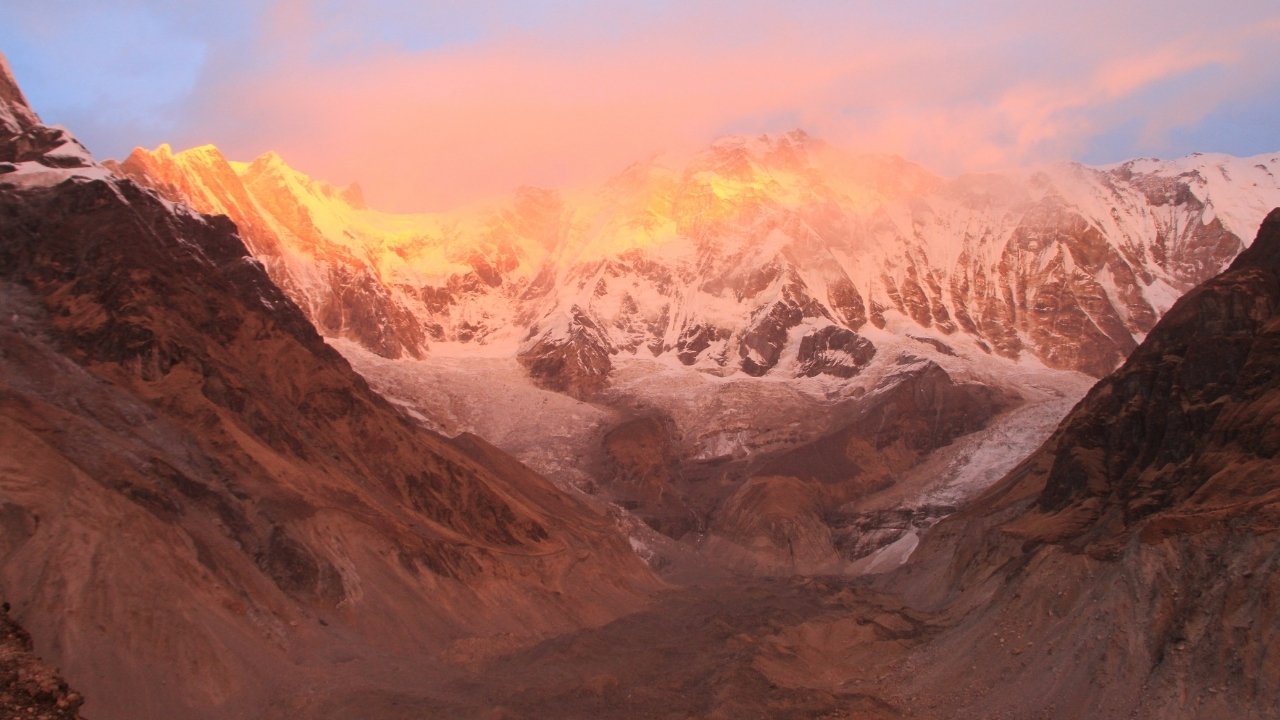
Altitude is one of the main factors you must take seriously. The acclimatization day in Manang helps your body adjust before you ascend further, but it does not eliminate the risk of acute mountain sickness. Walk gradually, stay hydrated, eat regularly, and report symptoms such as headaches, nausea, dizziness, or unusual fatigue to your guide. Warm layers, insulated gloves, suitable trekking boots, and a sleeping bag rated for cold conditions are also important for overnight stops at higher elevations.
You do not need technical mountaineering skills to complete the standard Annapurna Circuit, but good physical preparation makes a significant difference. Regular hiking, stair climbing, uphill training, and longer walks with a loaded daypack help build the endurance needed for consecutive trekking days. If you are reasonably fit, allow adequate time for acclimatization, and prepare for sub-zero conditions around Thorong La, November remains a feasible and rewarding time to complete the circuit.
Training and Preparation for November Trek
Preparing for the Annapurna Circuit Trek in November means building enough endurance for consecutive walking days while getting ready for freezing mornings and possible snow near Thorong La Pass (5,416m/ 17,769ft). Aim to begin training 6 to 8 weeks before your trek, especially if you do not regularly hike or exercise.
-
Build Walking Endurance: Walk or hike 3 to 4 days per week, gradually increasing your distance and time on your feet. Work toward hikes lasting 4 to 6 hours to prepare for typical trekking days, with longer efforts before the demanding pass-crossing day.
-
Train for Sustained Climbs and Descents: Include uphill hikes, stair climbing, step-ups, and squats in your routine. These strengthen your legs for steep ascents and the long descent from Thorong La toward Muktinath.
-
Practice With a Daypack: Carry the pack you expect to use on the trek, gradually adding weight. This helps you adjust to carrying water, extra layers, snacks, and other essentials over several hours.
-
Prepare for Cold Conditions: Test your thermal base layers, fleece or insulated mid-layer, waterproof and windproof outer shell, warm gloves, and hat before departure. Wear your trekking boots on training walks to identify pressure points and prevent blisters. Bring a warm sleeping bag suitable for sub-zero nights at higher elevations.
-
Plan for Altitude, Not Just Fitness: You cannot fully prepare for altitude by exercising at low elevations. Follow the itinerary's acclimatization schedule in Manang (3,519m/ 11,545ft), ascend gradually, drink regularly, and tell your guide immediately if you develop a headache, nausea, dizziness, or unusual fatigue.
-
Keep Your Pass-Crossing Plan Flexible: November conditions can change quickly around Thorong La. Check the latest forecast and trail conditions with your guide, start early when conditions are suitable, and allow extra time in your itinerary in case snow, ice, or strong winds delay the crossing.
You do not need technical climbing skills for the standard Annapurna Circuit, but consistent training and appropriate cold-weather equipment make a substantial difference. Prioritize endurance, leg strength, and recovery rather than trying to build fitness through exhausting workouts just before departure.
Packing for November Annapurna Circuit Trek
Packing for the Annapurna Circuit Trek in November means preparing for two very different conditions: mild afternoons in the lower valleys and freezing temperatures around Manang, Thorong High Camp, and Thorong La Pass (5,416m/ 17,769ft). Your main priorities should be a reliable layering system, warm sleeping gear, sturdy trekking boots, and protection against strong sun, wind, and possible snowfall at higher elevations. Pack for cold mornings and nights without overloading your daypack.
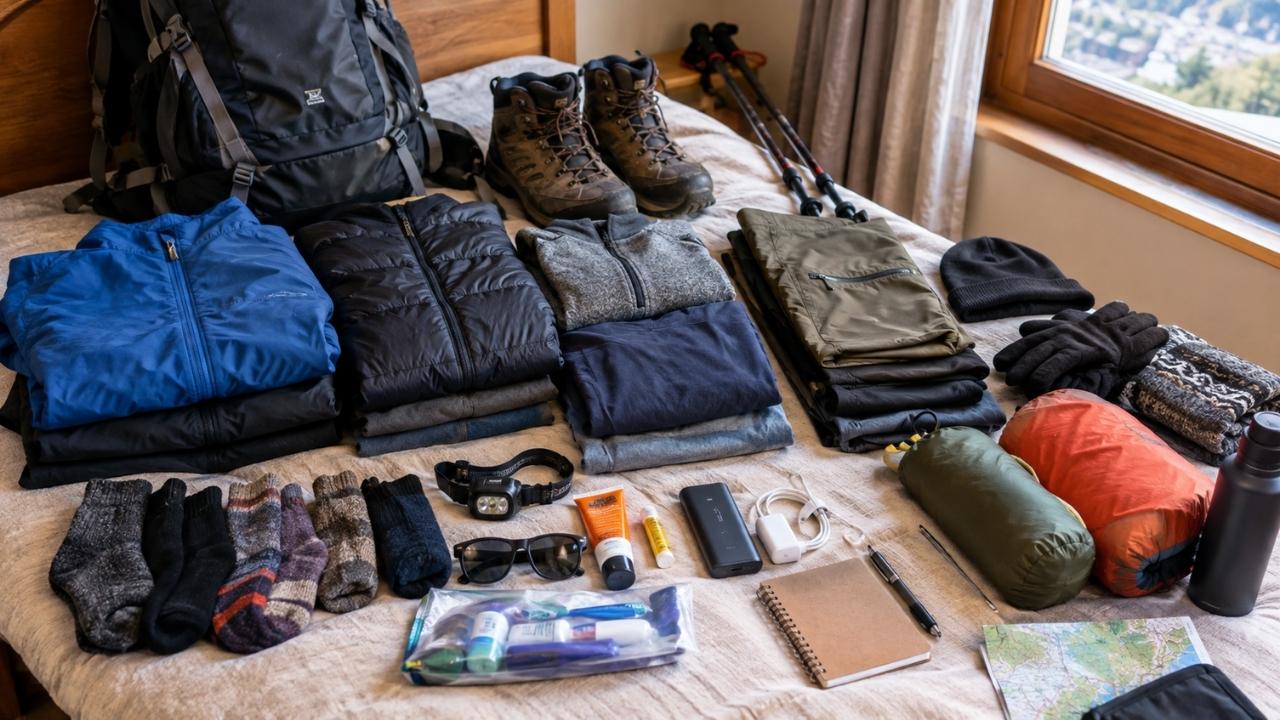
Clothing and Layering
-
Moisture-wicking base-layer tops and bottoms
-
Quick-drying trekking T-shirts and long-sleeved shirts
-
Fleece or warm mid-layer
-
Insulated down or synthetic jacket
-
Waterproof and windproof outer shell
-
Comfortable trekking trousers and thermal leggings
-
Warm trekking socks and spare underwear
-
Woolen hat or beanie and neck gaiter
-
Insulated gloves with lightweight liner gloves
-
Comfortable clothes for evenings in teahouses
Footwear and Trail Equipment
-
Broken-in trekking boots with reliable grip
-
Extra moisture-wicking socks and blister plasters
-
Trekking poles for steep ascents and long descents
-
Lightweight sandals or camp shoes
-
Gaiters if snow or wet trail conditions are expected
-
Headlamp with spare batteries
Backpack and Sleeping Gear
-
25 to 35 liter daypack if you are using a porter
-
Duffel bag for porter-carried luggage
-
Waterproof backpack cover and dry bags
-
Sleeping bag suitable for temperatures around -10°C to -15°C
-
Sleeping bag liner for extra warmth, if needed
**Note: Confirm what your trekking company provides before buying or renting bulky equipment. Eco Holidays Nepal provides a sleeping bag, down jacket, and duffel bag for the trek. Check their suitability for the expected November conditions and bring additional layers if necessary**
Sun, Water, and Personal Protection
-
UV-protection sunglasses
-
Sunscreen (SPF 30 to 50) and SPF lip balm
-
Reusable water bottles or hydration bladder
-
Water purification tablets, drops, or filter
-
Moisturizer for cold, dry conditions
-
Electrolyte sachets, if needed
Personal Hygiene and First Aid
-
Personal medications and a basic first-aid kit
-
Blister treatment and basic pain-relief supplies
-
Hand sanitizer, wet wipes, and tissues
-
Quick-drying towel and travel-sized toiletries
-
Toilet paper and a small bag for carrying out waste
Documents, Money, and Electronics
-
Passport and required trekking permits
-
Travel insurance covering high-altitude trekking and emergency evacuation
-
Nepali cash for snacks, charging, hot showers, and other personal expenses
-
Mobile phone, charging cable, and power bank
-
Camera with spare batteries, if required
-
Offline maps and downloaded trekking information
Food and Useful Extras
-
Energy bars, nuts, and trail mix for long walking days
-
Earplugs for shared teahouse rooms
-
Small personal lock
-
Lightweight dry bags for keeping spare clothes and electronics dry
Helpful Tips for Your November Annapurna Circuit Adventure
-
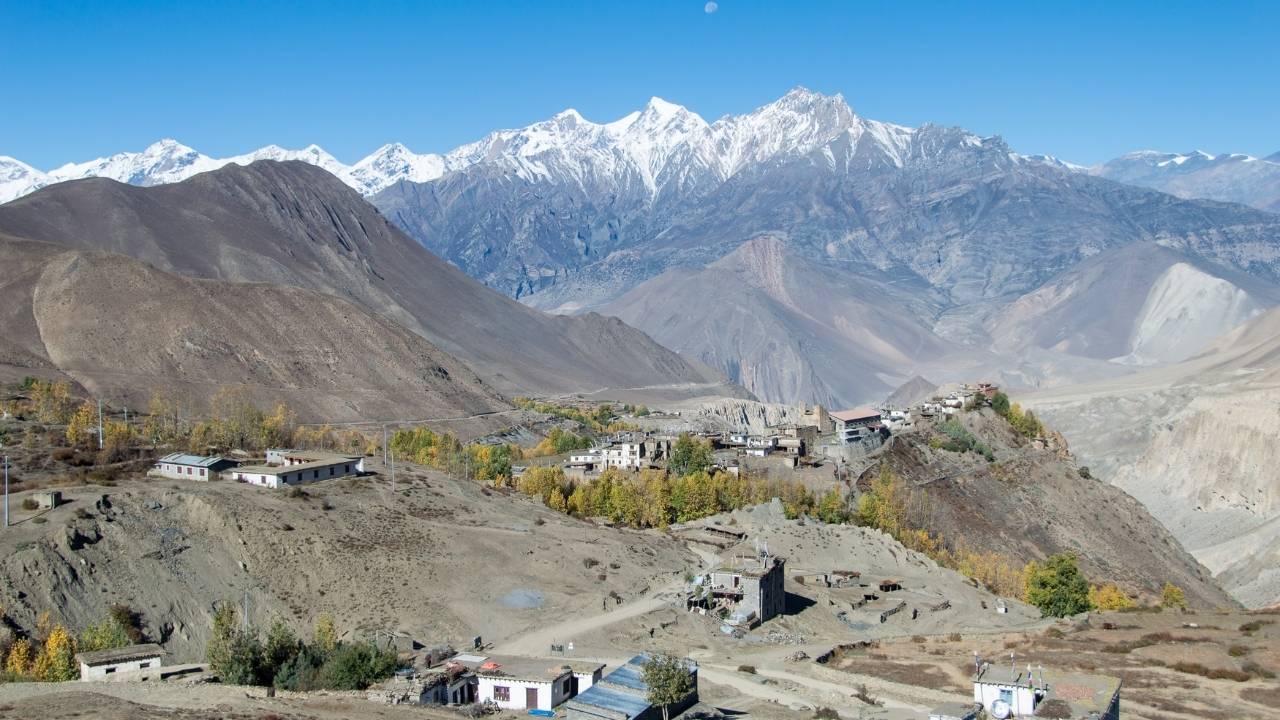
Choose Your Departure Date Carefully: Early November generally offers a better balance of autumn weather and manageable cold at higher elevations. By late November, freezing nights become more common, daylight hours are shorter, and snowfall may create additional challenges around Thorong La Pass (5,416m/ 17,769ft). Conditions vary each year, so use the forecast rather than the calendar alone to judge pass safety.
-
Allow a Full Acclimatization Day in Manang: At approximately 3,519 meters (11,545 feet), Manang is an important stop before you climb toward Yak Kharka and Thorong High Camp. Use the day for a gradual acclimatization hike and return to sleep at Manang. Avoid ascending too quickly, and tell your guide if you develop a headache, nausea, dizziness, or unusual fatigue.
-
Keep Your Pass-Crossing Plan Flexible: The crossing from Thorong High Camp (4,540m/ 14,895ft) to Muktinath (3,710m/ 12,171ft) commonly takes around 7 to 8 hours, depending on your pace and trail conditions. Start early with your guide, carry warm layers, water, snacks, and a headlamp, and check for fresh snow, ice, and strong winds before leaving. Never push ahead if your guide considers the conditions unsafe.
-
Prepare for Below-Freezing Nights: Temperatures at higher camps can fall well below 0°C, even when afternoons are sunny. Keep thermal layers, an insulated jacket, warm socks, gloves, and a suitable sleeping bag ready. Change out of damp clothing promptly, and store electronics and spare batteries inside your sleeping bag or insulated pocket to help them retain warmth.
-
Use the Sun Wisely at High Altitude: Clear November skies can make the air feel pleasant, but ultraviolet exposure increases with elevation and snow can reflect sunlight. Apply SPF 30 to 50 sunscreen, use SPF lip balm, and wear UV-protection sunglasses. Cover exposed skin during windy sections, particularly around the pass.
-
Carry Enough Cash for Remote Villages: ATMs and reliable card payments are limited along much of the circuit. Withdraw sufficient Nepali rupees in Kathmandu or another major stop before heading into the mountains. Budget extra for hot showers, device charging, snacks, Wi-Fi, and any additional nights caused by weather delays.
-
Plan for Charging and Cold-Sensitive Electronics: Charging facilities in teahouses cost extra, and electricity can be less convenient at higher settlements. Bring a power bank, charge devices whenever practical, and keep spare camera batteries warm. Download offline maps and important trekking information before leaving areas with reliable internet.
-
Stay Hydrated Even When You Do Not Feel Thirsty: Cold, dry air and physical exertion can make it easy to drink less than you need. Sip water regularly and carry a purification method for treated drinking water. Warm drinks can help you maintain fluid intake, but avoid relying on tea or coffee alone throughout the day.
-
Do Not Judge Trail Safety by Sunshine Alone: Lower sections may be dry while shaded paths at higher elevations remain icy. Walk carefully on frozen ground, use trekking poles for balance, and avoid rushing down steep sections toward Muktinath. Ask your guide about current conditions before deciding whether gaiters or other snow equipment are necessary.
-
Build Buffer Time Into Your Itinerary: Do not schedule an immediate international departure after the final trekking day if you can avoid it. Snowfall, strong winds, road delays, or changes to transport can disrupt your return journey. An extra day or two provides flexibility and reduces pressure to cross Thorong La in unsuitable conditions.
-
Respect the Altitude Rather Than Relying on Fitness Alone: Being physically fit does not prevent acute mountain sickness. Follow your acclimatization plan, eat regularly, and report symptoms early. A worsening headache accompanied by vomiting, confusion, difficulty walking, or breathlessness at rest requires urgent medical assessment and descent as directed by your guide or medical professionals.
Annapurna Circuit Trek in November rewards careful preparation: clear mountain views and predominantly dry trails can make this Himalayan endeavour especially satisfying, but cold and changing conditions around Thorong La should determine your decisions. Stay flexible, carry the right layers, and prioritize a safe crossing over keeping to a fixed schedule.