

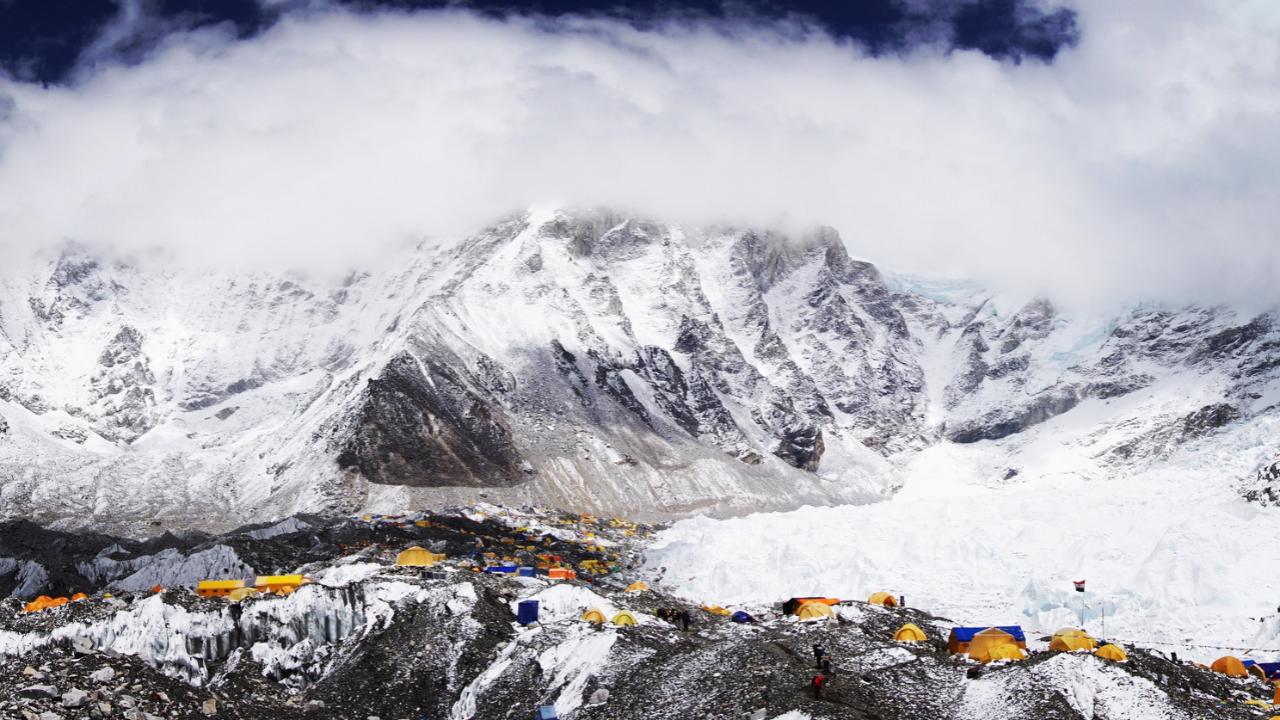
The Everest Base Camp Trek in February takes you into the heart of the Khumbu during the final stretch of winter, when snow-covered trails, frozen alpine landscapes, and exceptionally clear Himalayan views define much of the journey. With daytime temperatures gradually improving as the month progresses and longer daylight hours providing more time for walking, February offers a slightly different experience from the colder conditions of January. However, winter remains firmly established at higher elevations, where freezing nights, icy paths, and occasional snowfall continue to shape the trekking conditions.
Your journey follows the classic route from Lukla (2,860m) through Phakding and Namche Bazaar (3,440m), before climbing towards Tengboche, Dingboche, Lobuche, and Gorak Shep (5,164m). By the time you reach Everest Base Camp (5,364m), the surrounding Khumbu Glacier, snow-covered ridges, and towering Himalayan peaks create a distinctly wintry mountain environment. The quieter February trails also mean fewer trekkers at teahouses and popular viewpoints compared with the busy spring and autumn seasons.
February Everest Base Camp Trek is particularly appealing if you are comfortable with cold-weather trekking and want to experience the Everest region without the usual seasonal crowds. The first half of the month generally retains harsher winter conditions, while the latter half can bring slightly milder daytime temperatures and the first signs of the approaching spring season.
Nevertheless, you need proper winter clothing, flexible trekking dates, and a well-planned acclimatization schedule to manage the cold and altitude. With the right preparation, February can reward you with a quieter Himalayan journey and remarkable views of Everest and the surrounding peaks.
Everest Base Camp Trek in February– Package Overview
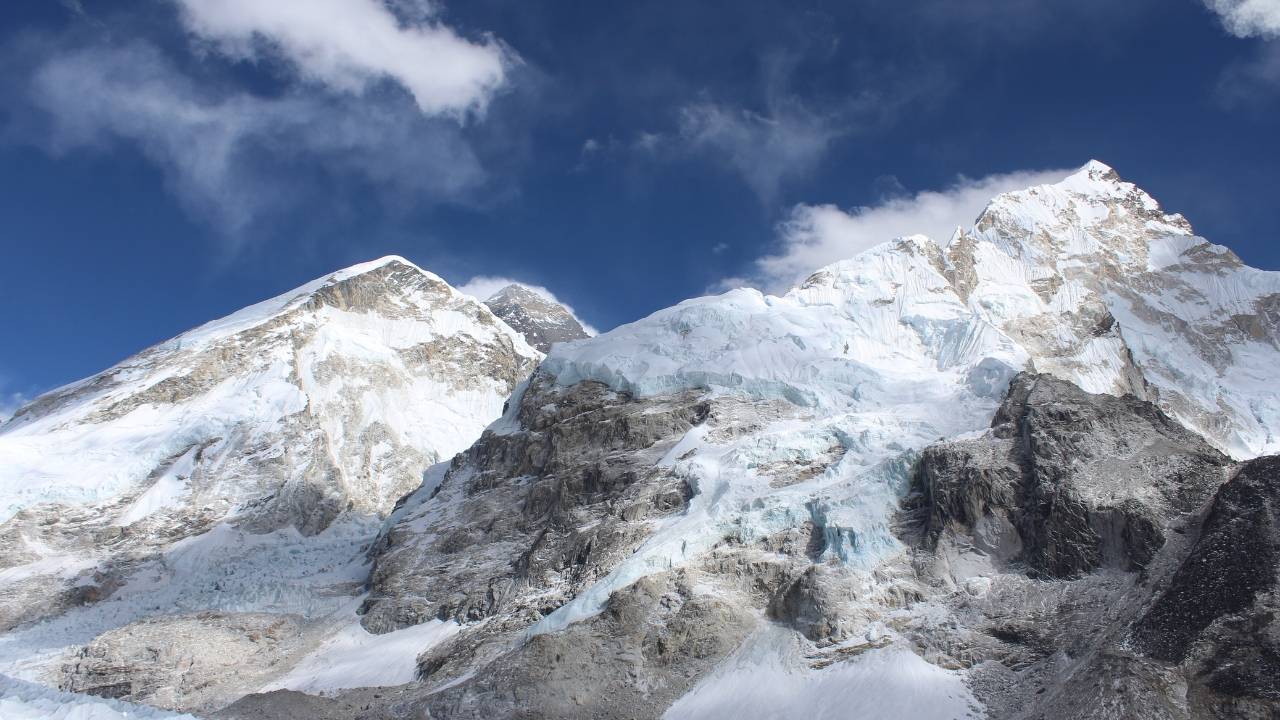
February offers a different kind of Everest Base Camp experience, particularly for trekkers who want to see the Khumbu before the main spring trekking season begins. The lower villages retain their familiar mountain atmosphere, but the upper settlements take on a much harsher winter character. Snow and frost can remain around Dingboche, Lobuche, and Gorak Shep, while the surrounding peaks stand out against the clear winter sky. With fewer trekkers moving along the trail, you also get a quieter experience at popular stops such as Namche Bazaar and Tengboche.
February Trek Package at a Glance
|
Trek Detail |
February Overview |
|
Duration |
12 days, including mountain flights, acclimatization, and trekking |
|
Starting Point |
Kathmandu, followed by a flight to Lukla (2,860m/ 9,383ft) |
|
Trek Difficulty |
Moderate to challenging, with cold-weather conditions, high altitude, and demanding walking days |
|
Highest Point |
Kala Patthar (5,550m/ 18,208ft) |
|
Typical Walking Time |
Approximately 5 to 6 hours on most trekking days, with 8 to 9 hours for the Everest Base Camp excursion |
|
Main Route |
Kathmandu → Lukla → Phakding → Namche Bazaar → Tengboche → Dingboche → Lobuche → Gorak Shep → Everest Base Camp → Kala Patthar → Pheriche → Namche Bazaar → Lukla → Kathmandu |
|
Acclimatization |
Two dedicated acclimatization days at Namche Bazaar (3,440m/ 11,286ft) and Dingboche (4,410m/ 14,468ft) |
|
Landscape |
Snow-dusted alpine forests, frozen streams, glacial moraines, rocky valleys, and snow-covered Himalayan peaks |
|
Cultural Experience |
Sherpa settlements, Buddhist monasteries, prayer wheels, mani walls, traditional mountain villages, and Tengboche Monastery |
|
Major Attractions |
Namche Bazaar, Everest View Hotel, Tengboche Monastery, Khumbu Glacier, Everest Base Camp, Kala Patthar, and views of Everest, Lhotse, Nuptse, and Ama Dablam |
|
February Conditions |
Cold mornings and nights, generally crisp mountain views, gradually increasing daylight, and possible snowfall or icy trails at higher elevations |
February also creates an interesting contrast between trekking activity and the mountain environment. You can spend the afternoon walking through relatively sunny sections of the trail, yet temperatures can fall sharply once the sun disappears behind the surrounding ridges. This difference is particularly noticeable in exposed settlements above Dingboche, where the combination of altitude, wind, and freezing nights makes appropriate insulation essential. A good down jacket, thermal base layers, insulated gloves, and a winter-rated sleeping bag are important parts of your equipment.
Your departure date within February is worth considering, too. Early February is more suitable if you want a distinctly wintry experience and are prepared for potentially harsher conditions. Towards the final weeks, daytime temperatures may become somewhat more comfortable, and the first signs of the approaching spring season become more noticeable at lower elevations. However, you should not expect spring-like conditions around Everest Base Camp or Kala Patthar. Snowfall, frozen trails, and sub-zero nights remain possible throughout the month.
EBC Trail Weather Conditions in February
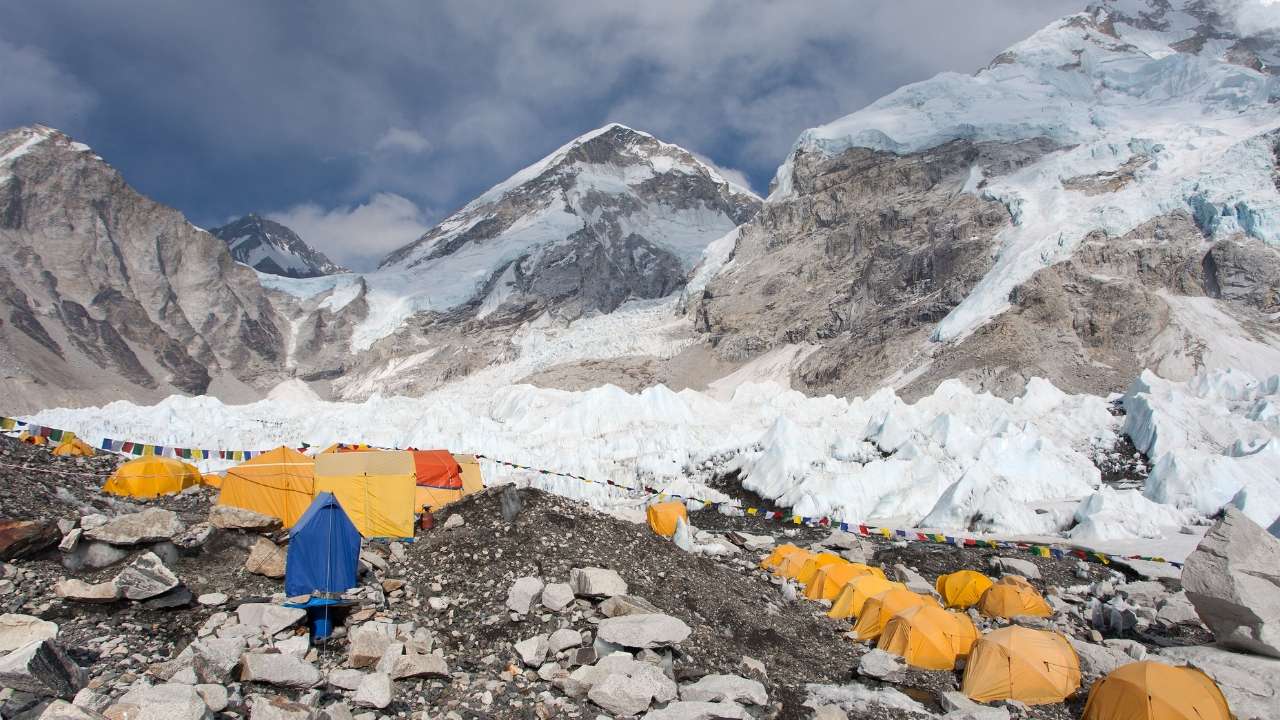
February is a late-winter month on the Everest Base Camp trail, and the weather reflects the gradual transition towards spring without losing its high-altitude winter character. You can expect a mix of bright, sunny days, cold mornings, and sharply dropping temperatures after sunset. The difference becomes more pronounced as you move above Namche Bazaar (3,440m), where settlements such as Dingboche, Lobuche, and Gorak Shep experience prolonged freezing conditions. Although the lower Khumbu can feel relatively comfortable under direct sunshine, the upper trail remains exposed to cold winds, frost, and occasional snowfall.
One of the notable changes during February is the gradual extension of daylight. This gives you more time for trekking and mountain photography compared with the shortest days of midwinter. However, longer daylight does not necessarily mean warmer conditions throughout the route. Snowfall can still affect the higher elevations, and shaded sections may retain ice even after sunny afternoons. The early-morning ascent to Kala Patthar (5,550m) is particularly demanding because you begin walking before sunrise, when temperatures and wind chill can make the exposed trail feel considerably colder.
|
Location |
Approximate February Temperature |
|
Lukla (2,860m/ 9,383ft) |
Around 6°C to 10°C during the day; -2°C to -5°C at night |
|
Namche Bazaar (3,440m/ 11,286ft) |
Around 3°C to 7°C during the day; -5°C to -8°C at night |
|
Tengboche (3,867m/ 12,687ft) |
Around 0°C to 4°C during the day; -8°C to -12°C at night |
|
Dingboche (4,410m/ 14,468ft) |
Around -3°C to 1°C during the day; -11°C to -15°C at night |
|
Lobuche (4,910m/ 16,109ft) |
Around -5°C to -1°C during the day; -14°C to -18°C at night |
|
Gorak Shep (5,164m/ 16,942ft) |
Around -8°C to -3°C during the day; -17°C to -20°C at night |
|
Kala Patthar (5,550m/ 18,208ft) |
Often around -18°C to -22°C before sunrise, with daytime conditions remaining well below freezing |
Temperature figures are approximate planning ranges, not guaranteed daily readings. They account for differences between early and late February, elevation, sunshine, and exposure. Modelled monthly averages and trekking observations can vary between sources.
February is generally a relatively dry month in the Everest region, which helps create opportunities for clear mountain views. You can often enjoy impressive visibility of Everest, Lhotse, Ama Dablam, and Nuptse, particularly during clear morning conditions. However, the weather is not completely settled. Passing weather systems can bring snowfall to the upper Khumbu, and fresh snow may cover sections of the trail around Lobuche, Gorak Shep, and Kala Patthar. The combination of compacted snow, overnight frost, and shaded terrain can make certain sections slippery, even when the surrounding skies are clear.
Another factor worth considering is the difference between daytime sunshine and nighttime exposure. During sunny afternoons, you may feel considerably warmer while walking, particularly along sheltered sections of the trail. However, once you stop moving or the sun disappears behind the mountains, the temperature drops quickly. This is especially noticeable at higher overnight stops, where frozen water, cold bedrooms, and unheated sleeping areas can affect your comfort. February also provides progressively longer daylight hours, giving you more flexibility for daily walking schedules towards the end of the month.
Highlights of Everest Base Camp Trek in February
February brings a distinctive late-winter atmosphere to the Everest Base Camp Trek trail, when the upper Khumbu remains cold and snow-covered slopes contrast with the increasingly bright days. You travel from the forested Dudh Koshi Valley towards the open alpine terrain of Dingboche, the rocky moraines of the Khumbu Glacier, and the dramatic mountain amphitheater surrounding Everest Base Camp. The quieter trekking environment, gradually increasing daylight, and crisp mountain visibility make February an appealing choice for trekkers who prefer a less crowded Himalayan experience. From traditional Sherpa villages to high-altitude viewpoints, here are the experiences that make this journey particularly rewarding in February.
-
Panoramic Himalayan Views in the Clear Late-Winter Atmosphere
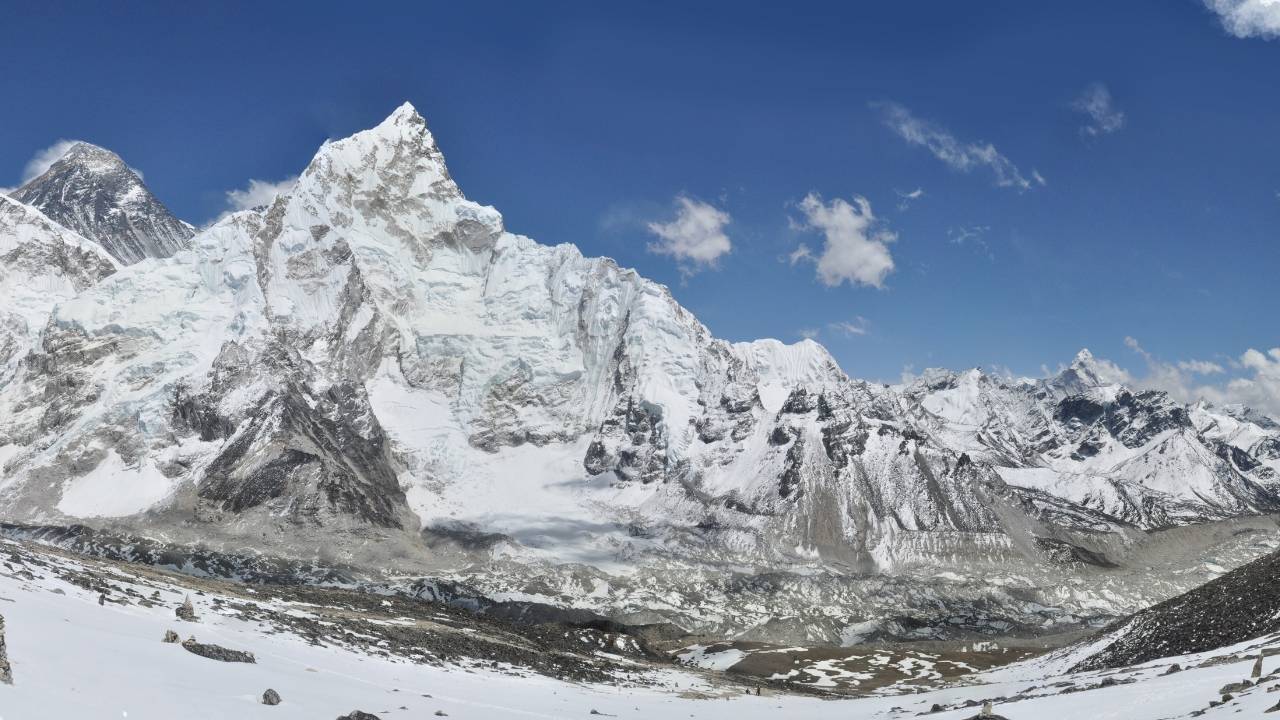
Everest Base Camp Trek in February provides excellent opportunities to observe the Himalayan landscape, particularly during clear morning hours when the dry mountain atmosphere often produces sharp visibility. As you progress through the Khumbu, you can see Mount Everest (8,848.86m), Lhotse (8,516m), Makalu (8,485m), Cho Oyu (8,188m), Nuptse (7,861m), Pumori (7,161m), Ama Dablam (6,812m), Thamserku (6,623m), and Kangtega (6,782m). The views become particularly impressive from the Everest View Hotel (approximately 3,880m), Tengboche, and Kala Patthar (5,550m). At sunrise, the changing light illuminates the surrounding snow-covered summits, creating excellent conditions for landscape photography.
-
Experience the Upper Khumbu Before the Spring Trekking Rush
February falls between the main autumn and spring trekking seasons, giving you an opportunity to explore the Everest region with comparatively fewer visitors. You can experience a quieter atmosphere around Namche Bazaar (3,440m), Tengboche (3,867m), and Dingboche (4,410m), particularly during the first half of the month. This allows more time to explore village surroundings, visit monasteries, and enjoy mountain viewpoints without the heavier trekking traffic of October, November, May, and April. Activity gradually increases towards late February as spring approaches, but the trail generally remains less congested than during the main trekking months. Some high-altitude teahouses may operate with reduced services, so confirming accommodation availability is important.
-
Explore Snow-Dusted Alpine Valleys and Glacial Landscapes
The upper Everest region develops a distinctly wintry appearance during the Everest Base Camp Trek in February, especially beyond Dingboche, where vegetation becomes sparse, and the landscape opens into broad alpine valleys. You encounter frozen streams, frost-covered slopes, snow-dusted mountain ridges, and rugged glacial terrain as you approach Lobuche (4,910m) and Gorak Shep (5,164m). The Khumbu Glacier and its surrounding moraine formations create a particularly dramatic setting, with enormous rock deposits and ice formations extending beneath the surrounding peaks. Fresh snowfall is possible throughout February, although the amount of snow covering the trail varies with recent weather conditions. These contrasting landscapes make the upper section of the trek particularly rewarding for photography and mountain exploration.
-
Enjoy Longer Daylight as Winter Gradually Gives Way to Spring
One advantage of trekking in February is the gradual increase in daylight following the winter solstice in December. By the end of February, daylight lasts noticeably longer than during the middle of winter, providing additional time for walking, photography, and enjoying the surrounding mountain scenery. This is particularly useful on longer trekking days, including the excursion from Lobuche through Gorak Shep to Everest Base Camp (5,364m), which generally takes around 8 to 9 hours. The additional daylight also provides more flexibility for reaching overnight settlements before sunset. However, early starts remain important because temperatures are particularly low in the morning, and afternoon weather can change at higher elevations.
-
Discover Sherpa Settlements and the Buddhist Heritage of Khumbu
Beyond the high mountains, the Everest Base Camp route introduces you to the cultural traditions of the Sherpa communities who have shaped life in the Khumbu for generations. Namche Bazaar serves as an important trading and administrative centre, where traditional mountain architecture sits alongside shops, bakeries, and teahouses. Further along the trail, Tengboche Monastery (approximately 3,860m) provides an important cultural stop, surrounded by spectacular mountain scenery. You can also encounter Buddhist prayer flags, mani walls, carved stone inscriptions, chortens, and small monasteries along the route. February's quieter village atmosphere gives you more opportunities to appreciate these cultural details and understand the connection between local communities, mountain life, and Tibetan Buddhist traditions.
-
Experience Sunrise from Kala Patthar Before Returning Through the Khumbu
Reaching Everest Base Camp is a major achievement, but the early-morning ascent to Kala Patthar (5,550m) offers one of the most memorable viewpoints of the entire journey. From this exposed ridge, you can observe Everest, the Khumbu Icefall, Nuptse, Pumori, Changtse, and the surrounding Himalayan peaks from a remarkable vantage point. February's clear winter mornings can provide particularly striking sunrise photography, although the pre-dawn climb is extremely cold and requires proper insulation and careful pacing. After enjoying the views, you descend to Gorak Shep and continue towards Pheriche, beginning the return journey through the familiar settlements and valleys of the Khumbu.
Everest Base Camp Trek Difficulty in February
Everest Base Camp Trek in February is a demanding time to undertake this Himalayan adventure because you must manage the physical effects of altitude alongside the practical challenges of trekking through a cold mountain environment. The biggest test is not simply reaching higher elevations; it is maintaining your energy across consecutive walking days when freezing temperatures, exposed terrain, and limited overnight comfort can affect your recovery. The contrast becomes particularly noticeable above Dingboche (4,410m), where the landscape opens into exposed alpine terrain, and the route approaches the Khumbu Glacier.
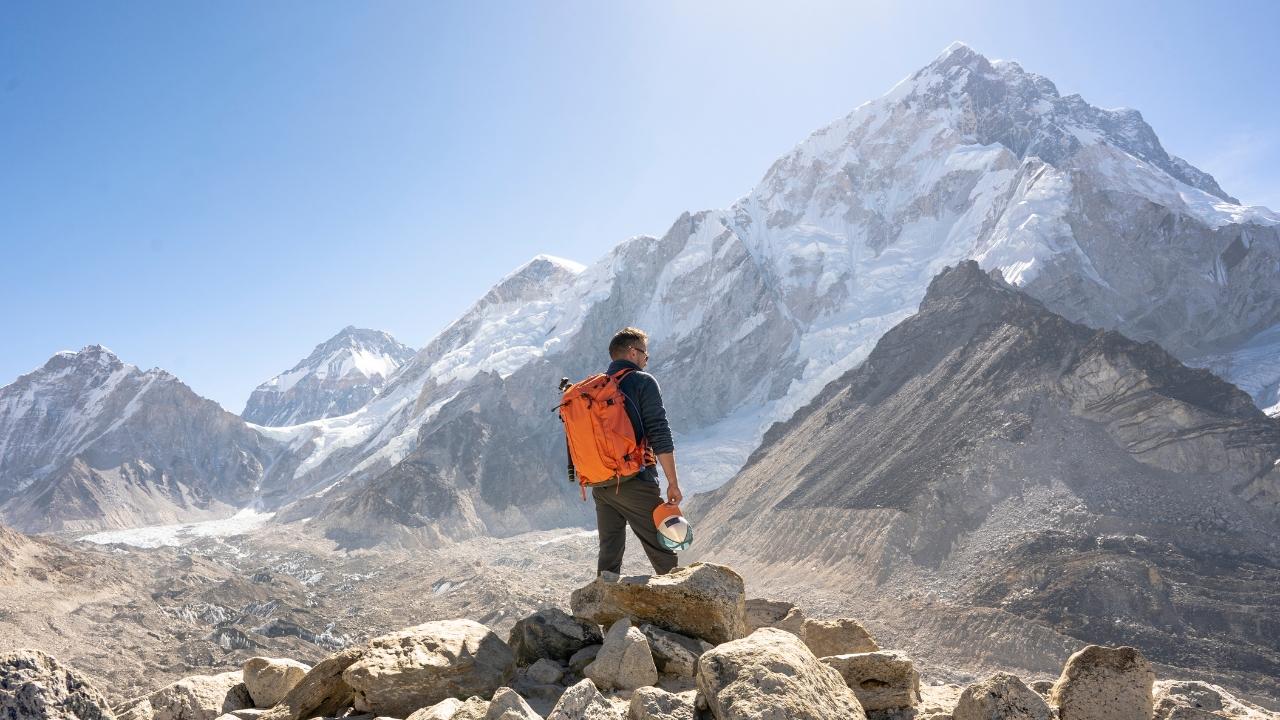
Several parts of the February journey deserve particular attention:
-
The High-Altitude Section Beyond Dingboche: As you approach Lobuche (4,910m) and Gorak Shep (5,164m), walking becomes more physically demanding. Steep gradients, rocky surfaces, and reduced oxygen availability mean you need to regulate your pace rather than push for speed.
-
Walking on Snow and Ice: February snowfall can change the condition of familiar trekking paths. Compacted snow, frozen puddles, and slippery shaded sections require concentration and appropriate footwear. Microspikes can be useful when actual trail conditions warrant them.
-
Cold During Rest Periods: One overlooked difficulty is staying warm when you stop walking. Your body generates less heat when inactive, and exposed settlements can feel particularly cold after sunset. Changing out of damp clothing, using insulated layers, and having a suitable sleeping bag become important for recovery.
-
The Consecutive Gorak Shep Excursions: Reaching Everest Base Camp involves approximately 8 to 9 hours of walking from Lobuche and back to Gorak Shep. The following morning, you face the steep pre-dawn climb to Kala Patthar (5,550m). Managing your energy between these two excursions is particularly important.
-
Unpredictable Mountain Logistics: February flights to and from Lukla can be affected by visibility, snowfall, and wind. Similarly, changing conditions in the upper Khumbu may require adjustments to walking schedules. A flexible itinerary and an additional travel buffer are sensible precautions.
Your ability to manage altitude is another major consideration. The EBC Trek itinerary includes acclimatization days at Namche Bazaar (3,440m) and Dingboche (4,410m), allowing time for gradual adjustment before entering the higher sections. These days should include appropriate acclimatization walks, while your guide monitors your condition. Altitude sickness can affect anyone regardless of fitness, so symptoms such as persistent headaches, nausea, dizziness, or unusual fatigue require immediate attention.
February is best suited to trekkers who can handle sustained uphill walking and are comfortable with genuine winter conditions. You do not need technical mountaineering experience, but you should have good endurance, appropriate cold-weather equipment, and the flexibility to adapt to changing trail conditions.
Packing for Everest Base Camp Trek in February
Packing for the February Everest Base Camp Trek requires a balance between comfortable daytime trekking and protection against severe cold at higher elevations. You may start your day in sunny conditions around Namche Bazaar (3,440m), but the environment changes considerably as you approach Dingboche, Lobuche, and Gorak Shep. Temperatures can fall below -15°C at night in the upper settlements, while the early-morning climb to Kala Patthar (5,550m) exposes you to particularly cold conditions. Your packing list should therefore prioritize adaptable clothing layers, dependable footwear, adequate sleeping insulation, and protection against strong UV exposure.
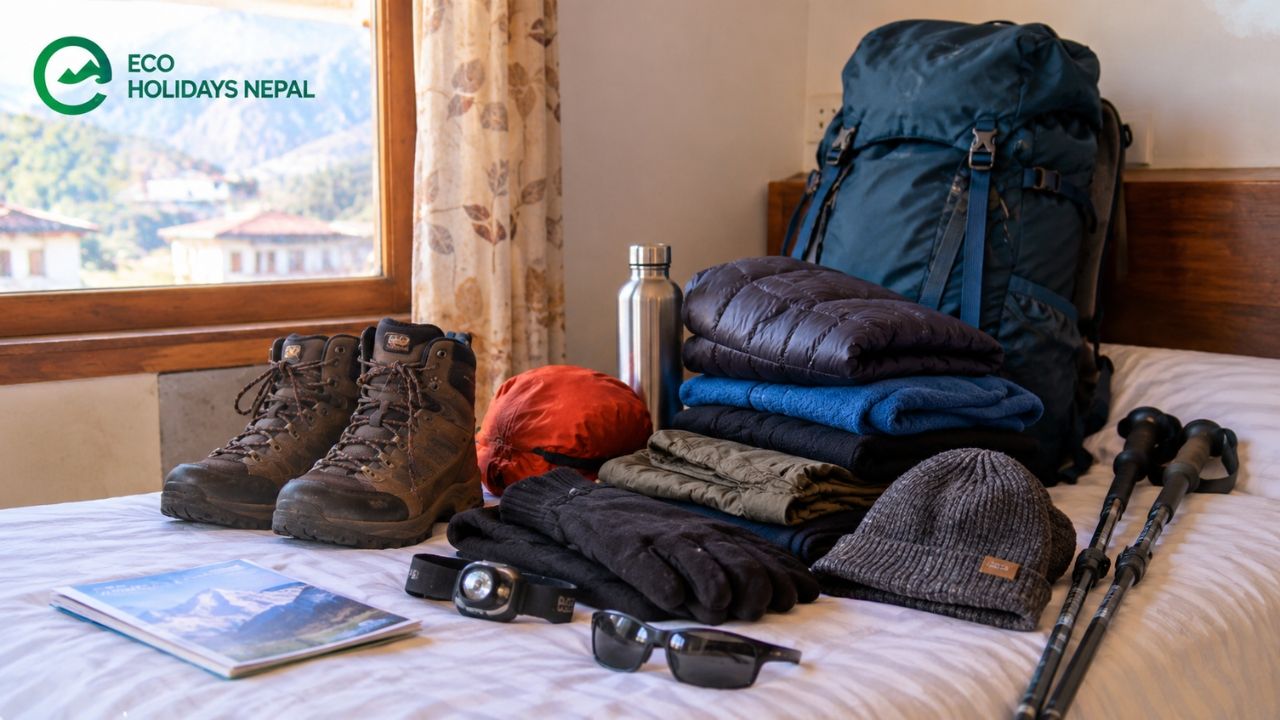
Clothing and Temperature Management
-
Moisture-wicking thermal base layers (top and bottom)
-
Lightweight, quick-drying trekking shirts
-
Trekking trousers suitable for variable daytime temperatures
-
Insulated fleece or lightweight synthetic mid-layer
-
Warm down jacket for high-altitude stops and evenings
-
Waterproof and windproof outer shell jacket and trousers
-
Insulated winter gloves with separate lightweight liners
-
Warm woolen hat and neck gaiter or buff
-
Thermal leggings for cold mornings and evenings
-
Several pairs of warm trekking socks
-
Comfortable, dry clothes reserved for teahouse evenings
Footwear and Snow Protection
-
Broken-in, waterproof trekking boots with good ankle support
-
Extra wool or merino trekking socks
-
Trekking poles with snow baskets if needed
-
Microspikes or lightweight traction devices for icy sections
-
Gaiters to prevent snow and debris entering your boots
-
Lightweight camp shoes or sandals for teahouse use
-
Blister plasters and foot-care supplies
Backpack and Sleeping Equipment
-
25 to 35L daypack if using a porter
-
Duffel bag for porter-carried equipment
-
Waterproof backpack cover and individual dry bags
-
Sleeping bag rated approximately -15°C to -20°C
-
Sleeping bag liner for additional warmth and hygiene
-
Small packing cubes to separate clean and used clothing
-
Compact stuff sack for keeping spare thermal clothing accessible
Sun, Hydration, and Skin Protection
-
UV-protection sunglasses (category 3 or 4)
-
Sunscreen with SPF 30–50
-
SPF lip balm to prevent cracked lips
-
Reusable insulated water bottle
-
Water purification tablets, drops, or filter
-
Moisturizer for dry, cold mountain conditions
-
Small hand cream and protective skin balm
Personal Hygiene and Medical Supplies
-
Personal prescription medications
-
Basic first-aid kit and blister treatment
-
Hand sanitizer and antibacterial wipes
-
Quick-drying travel towel
-
Toilet paper and biodegradable waste bags
-
Travel-sized toiletries and toothbrush
-
Personal medication for altitude-related symptoms, following medical advice
Documents, Money, and Electronics
-
Passport and required trekking permits
-
Travel insurance covering trekking at 5,500m and emergency helicopter evacuation
-
Sufficient Nepali cash for personal expenses along the route
-
Mobile phone and charging cables
-
High-capacity power bank
-
Camera with spare batteries
-
Offline maps and downloaded emergency contact information
-
Headlamp with spare batteries
Food and Additional Trekking Essentials
-
Energy bars, nuts, dried fruits, and trail mix
-
Electrolyte or hydration sachets
-
Earplugs for shared teahouse accommodation
-
Small personal lock for your duffel bag
-
Lightweight notebook or trekking journal
-
Quick-access pouch for sunscreen, snacks, and essential medication
Tips for Everest Base Camp Trekking in February
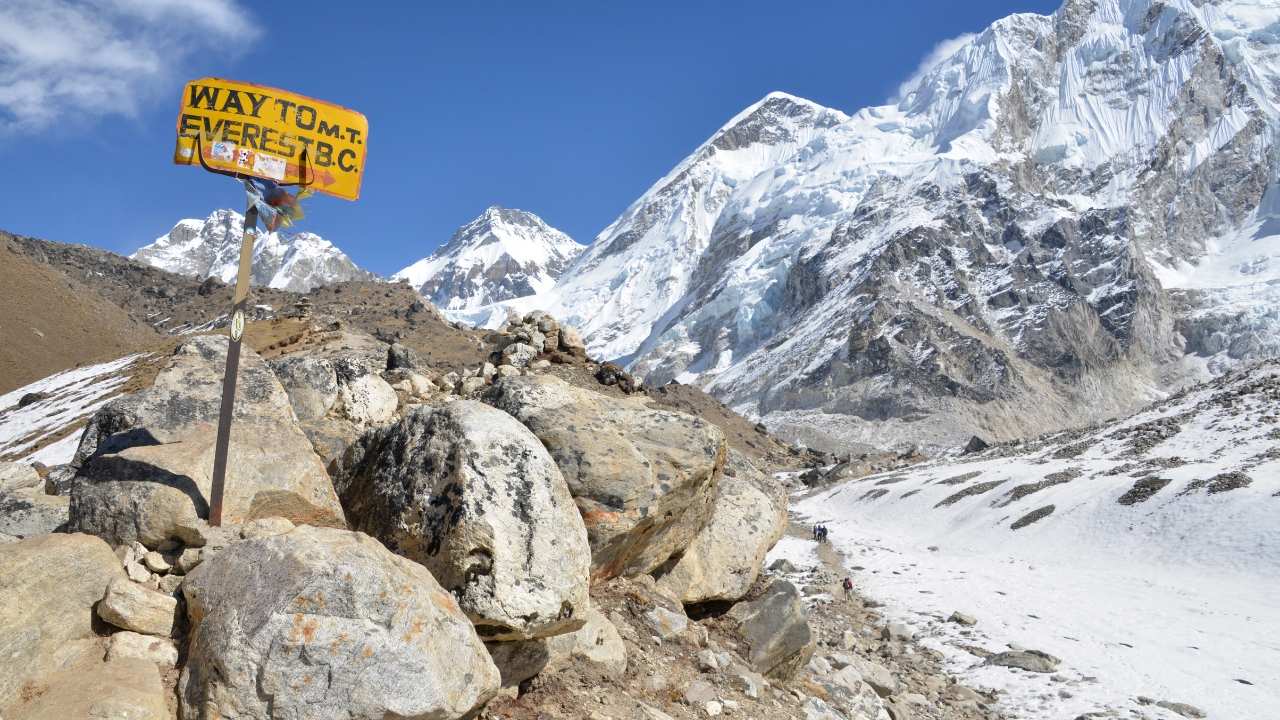
February Everest Base Camp Trek requires a little more attention to timing and flexibility than the main trekking seasons. Conditions in the lower Khumbu can be quite different from those around Lobuche and Gorak Shep, and the difference between sunny afternoons and freezing mornings can affect how you organize each trekking day. Use the following tips to make better decisions before departure and throughout your Everest Base Camp journey.
-
Select Your February Trekking Window According to Your Priorities: Early February generally retains a stronger winter character, with colder nights and a greater possibility of snow remaining on the upper trail. Later in the month, increasing daylight and gradually improving daytime temperatures can make walking more comfortable. However, neither period guarantees snow-free trails or stable weather, so choose your departure based on your comfort with winter conditions.
-
Confirm Upper-Khumbu Accommodation Before Setting Out: Winter operations can vary between teahouses, particularly in Lobuche and Gorak Shep. Confirm that your intended overnight stops are operating and have sleeping arrangements available before beginning the higher sections. This is particularly useful when planning February departures, when fewer accommodation providers may be operating than during peak trekking months.
-
Adjust Your Walking Pace as You Gain Elevation: Do not judge your progress by the walking speed you maintain around Lukla or Namche Bazaar. Above 4,000m, reduced oxygen availability makes sustained uphill movement increasingly tiring. Take shorter steps, maintain a comfortable rhythm, and allow sufficient time for the climbs towards Lobuche and Gorak Shep.
-
Check Snow Conditions Before Carrying Additional Traction Equipment: February does not guarantee continuous snow cover along the Everest Base Camp route. Some sections may remain dry and rocky, while shaded paths or recently snow-covered slopes can become slippery. Ask your guide to assess the actual trail conditions before deciding whether microspikes or gaiters are necessary.
-
Make Use of the Increasing Daylight: February gradually provides longer daylight hours, particularly towards the end of the month. Use this additional time to organize your walking schedule and enjoy photography stops without unnecessarily rushing. However, do not extend your walking day simply because sunset comes later; reaching your overnight destination safely should remain the priority.
-
Pay Attention to Sun Exposure on Snow-Covered Terrain: Clear February skies can create strong UV exposure at high elevations, particularly when sunlight reflects off snow. Wear UV-protective sunglasses, apply sunscreen to exposed skin, and use SPF lip balm. Even when the air feels freezing, you can still experience sunburn during several hours of walking.
-
Keep Your Drinking Water from Freezing: Water bottles can become extremely cold or freeze during overnight stays and early-morning excursions above 4,000m. An insulated bottle or bottle cover helps maintain access to drinking water. Carry enough water for your walking day and refill at suitable teahouses whenever possible.
-
Keep Your Daily Schedule Flexible Around Changing Mountain Conditions: A sunny morning does not guarantee that the upper trail will remain clear throughout the day. Discuss the latest weather and trail observations with your guide before leaving each settlement. Be prepared to adjust walking times or postpone an exposed excursion if snowfall, strong winds, or poor visibility make conditions unsuitable.
-
Respect Acclimatization Even When You Feel Physically Strong: Your cardiovascular fitness does not determine how quickly your body adjusts to altitude. Follow the planned acclimatization schedule at Namche Bazaar and Dingboche, and avoid gaining additional sleeping elevation too quickly. If you develop symptoms of acute mountain sickness, inform your guide rather than attempting to push through them.
**February Trekking Priority: Treat February as a genuine winter trekking month, even when the lower Khumbu starts showing signs of the approaching spring. Pay particular attention to accommodation availability, upper-trail conditions, and recovery between the Everest Base Camp and Kala Patthar excursions. A flexible schedule and appropriate winter preparation will make a much bigger difference than simply choosing the warmest days of the month**