

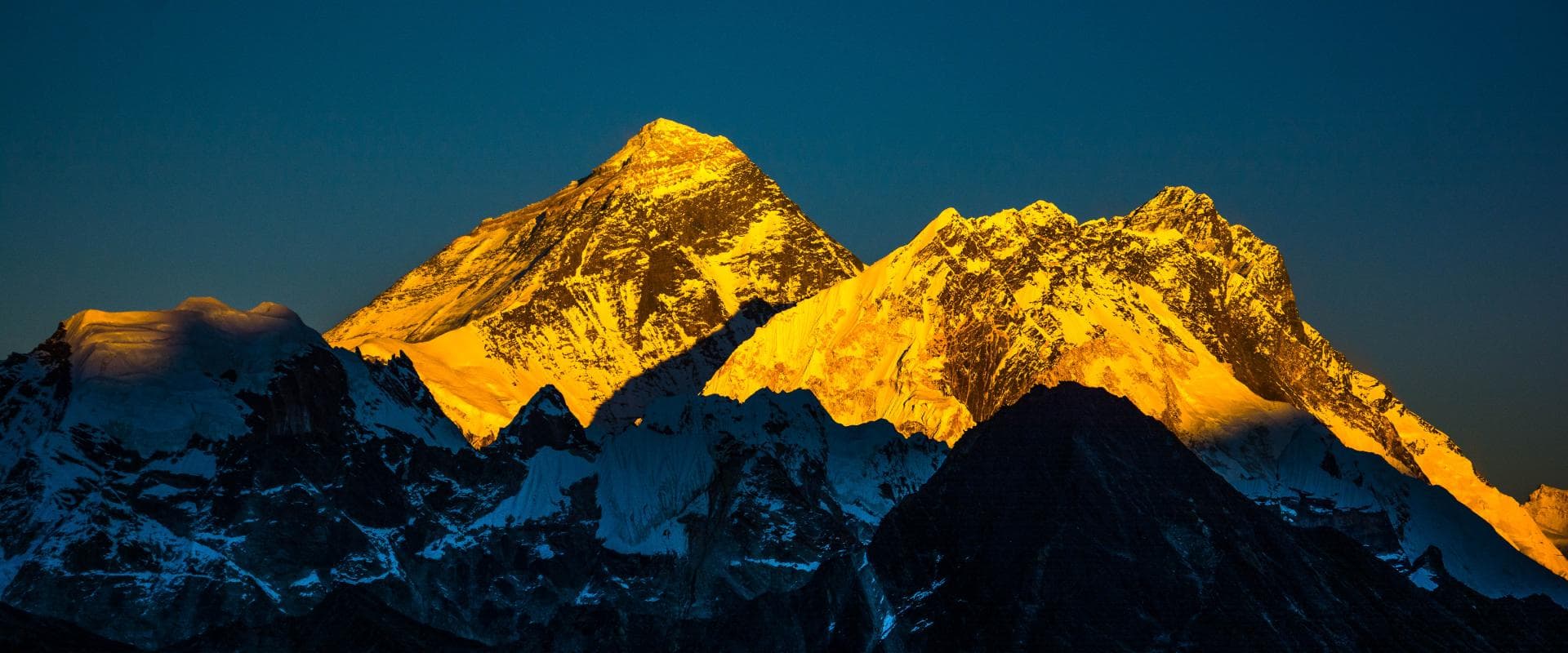
The 14 to 16-day Everest Base Camp Trek itinerary generally has the highest success rate because it allows sufficient time for acclimatization while maintaining a gradual ascent to higher elevations. These itineraries include rest days at Namche Bazaar and Dingboche, helping trekkers adapt to altitude and significantly reducing the risk of Acute Mountain Sickness (AMS). Compared to shorter 10 or 12-day itineraries, they offer a safer pace and improve the likelihood of completing the trek successfully.
Reaching Everest Base Camp is a dream for thousands of trekkers every year, but not everyone who begins the journey successfully reaches the famous base camp at 5,364 meters (17,598 feet). While physical fitness, weather conditions, and altitude all influence the outcome, one of the biggest factors is often overlooked: the itinerary itself.
Many first-time trekkers assume that every Everest Base Camp itinerary follows the same route with only minor differences in duration. In reality, the number of trekking days, acclimatization schedule, daily altitude gain, and overall pace can have a significant impact on your chances of completing the trek safely. A rushed itinerary may save a few vacation days, but it can also increase fatigue and the likelihood of altitude-related problems. On the other hand, a well-paced itinerary gives your body enough time to adjust to the thinner air, making the journey both safer and more enjoyable.
The good news is that the classic Everest Base Camp route has been refined over decades, and experienced trekking operators now follow itineraries that prioritize gradual acclimatization without sacrificing the overall experience. This is why some itineraries consistently have higher completion rates than others, especially among first-time trekkers.
What Does "Success Rate" Mean on an Everest Trek?
When discussing the success rate of an Everest Base Camp Trek itinerary, many people assume it simply means reaching Everest Base Camp. While arriving at Everest Base Camp (5,364 m / 17,598 ft) is the main objective, experienced trekkers and guides generally define a successful trek much more broadly.
For most trekking operators, success means completing the journey as planned while staying healthy and enjoying the experience. This usually includes reaching Everest Base Camp, hiking to Kala Patthar (5,550m/ 18,208ft), the highest point of the standard trek, and returning safely to Lukla without requiring an early evacuation.
A successful trek also means your body adapts well to the increasing altitude. Trekkers who follow a well-paced itinerary with proper acclimatization are far less likely to experience severe Acute Mountain Sickness (AMS), allowing them to continue the journey comfortably instead of cutting it short. In contrast, rushed itineraries often increase fatigue and altitude-related problems, even among physically fit hikers.
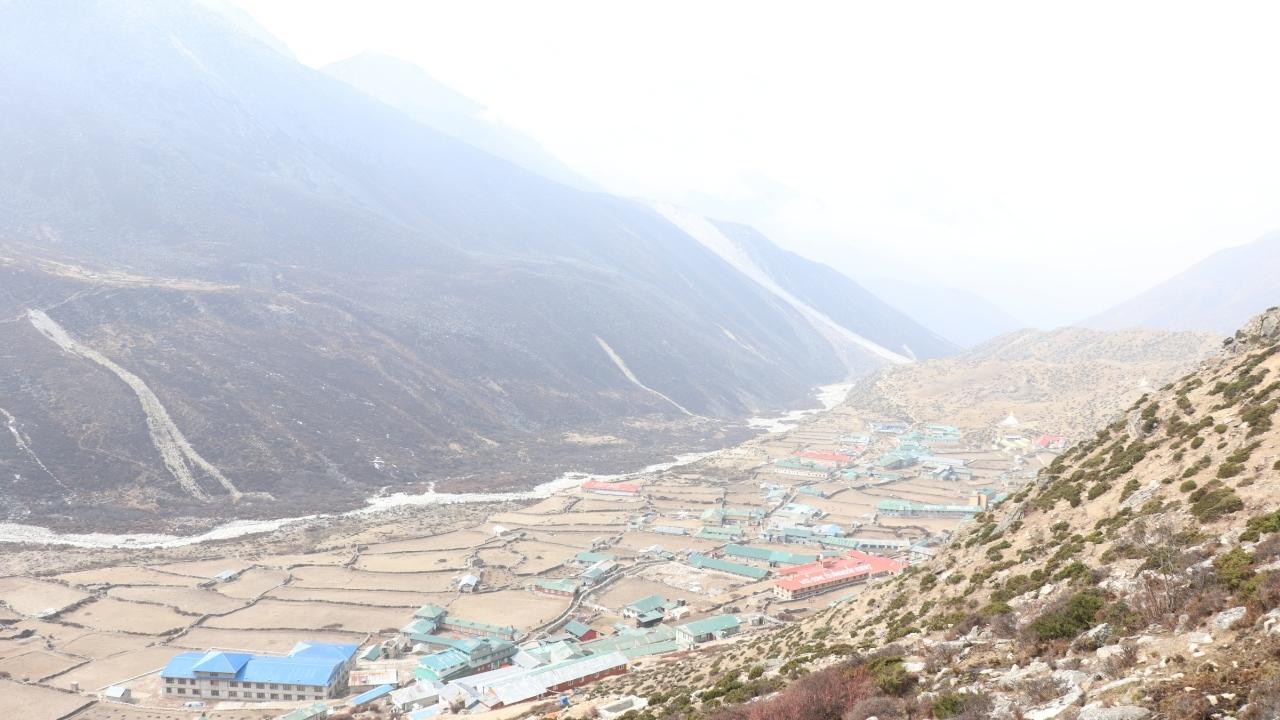
Another important aspect of success is being able to enjoy the trek rather than simply enduring it. The Everest Base Camp Trek is about more than reaching a destination. It is about experiencing Sherpa villages, crossing suspension bridges, visiting ancient monasteries, walking through Sagarmatha National Park, and taking in the spectacular Himalayan landscapes. If you are constantly exhausted or battling altitude sickness, much of that experience can be lost.
Ultimately, the best Everest Base Camp itinerary is one that gives you the highest chance of reaching both Everest Base Camp and Kala Patthar, returning safely under your own pace, and enjoying every stage of the adventure, not just surviving it.
**Continue Reading: Everest Base Camp Luxury Trek– Premium Trekking to the Foot of the World's Highest Peak**
Everest Trek Itineraries Ranked by Likelihood of Successful Completion
Not all Everest itineraries offer the same chance of completing the trek successfully. The biggest difference lies in how much time each itinerary allows for acclimatization. Routes that include gradual altitude gain and dedicated rest days generally provide a better chance of reaching Everest Base Camp comfortably, while shorter itineraries often require faster ascents that increase the risk of altitude-related problems.
The table below compares the most popular Everest trekking itineraries based on their overall likelihood of successful completion, suitability for different types of trekkers, and our recommendation.
|
Everest Trek Itinerary |
Likelihood of Successful Completion |
Best For |
|
Excellent |
First-time trekkers, cautious hikers |
|
|
14-Day Classic Everest Base Camp Trek |
Excellent |
Most trekkers |
|
Everest Base Camp Trek with Helicopter Return |
Very High |
Travelers with limited vacation time |
|
Moderate to High |
Experienced trekkers seeking extra adventure |
|
|
Moderate |
Adventure seekers and seasoned hikers |
|
|
12-Day Everest Base Camp Trek |
Moderate |
Experienced hikers with previous high-altitude experience |
|
Low |
Not recommended for most trekkers |
The 14-day and 16-day classic Everest Base Camp itineraries consistently stand out as the best options because they balance trekking distance with proper acclimatization. Both itineraries include essential rest days at Namche Bazaar and Dingboche, giving your body enough time to adapt to the increasing altitude before continuing toward Everest Base Camp.
In contrast, shorter 10 and 12-day itineraries often compress the same elevation gain into fewer days. While they may appeal to trekkers with limited time, the faster pace leaves less opportunity for acclimatization, making them more suitable for experienced hikers who are already familiar with trekking at high altitudes.
Likewise, more demanding routes such as the Everest Three Passes Trek and the Gokyo Lakes with Cho La Pass Trek involve higher elevations, longer trekking days, and additional mountain passes. Although they are incredibly rewarding, they require greater endurance and experience, which naturally makes successful completion more challenging than the classic Everest Base Camp route.
Why the 14-Day Classic Everest Base Camp Trek Has the Highest Success Rate
Among all Everest Base Camp itinerary options, the 14-day classic Everest Base Camp Trek offers one of the best balances between adventure, safety, and proper acclimatization. It has become the preferred choice for most trekkers because it follows a gradual ascent through the Khumbu Valley while allowing enough time for your body to adjust to the increasing altitude.
One of the biggest reasons this itinerary performs so well is its carefully planned pace. Instead of rushing toward Everest Base Camp, the route spreads the altitude gain over several days and includes an essential acclimatization day at Namche Bazaar (3,440 m). This gives your body valuable time to adapt before climbing above 4,000 meters, where the effects of reduced oxygen become more noticeable.
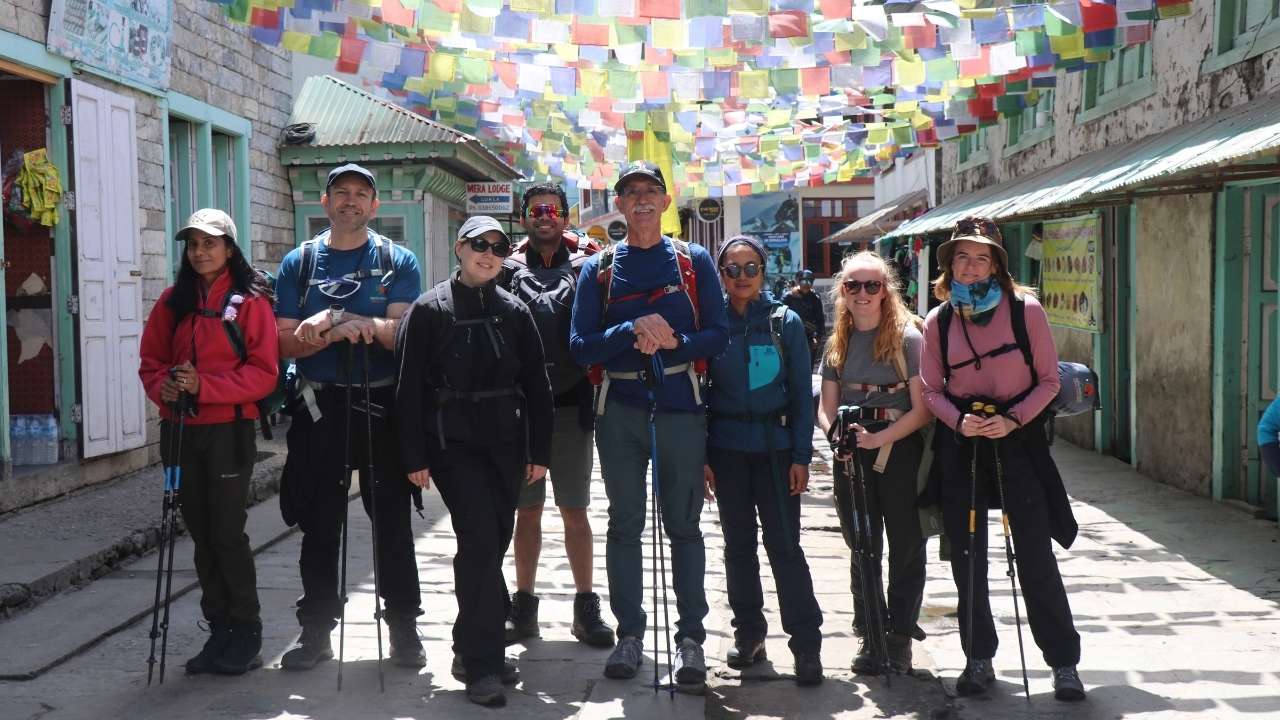
Another advantage is that the daily trekking distances remain manageable. Most hiking days take between 5 and 6 hours, helping trekkers conserve energy while reducing physical fatigue. By the time you reach higher villages such as Dingboche, Lobuche, and Gorak Shep, your body has already had several days to acclimatize, making the final push to Everest Base Camp and Kala Patthar considerably more comfortable.
The itinerary also follows the traditional Everest trekking route used by thousands of trekkers every year. This means you will benefit from well-established teahouses, experienced guides, reliable logistics, and flexible acclimatization options if weather or personal fitness requires adjustments along the way.
For first-time Himalayan trekkers and even experienced hikers, the 14-day itinerary provides an excellent balance of safety, scenery, and trekking experience without unnecessarily extending the journey. It is one of the main reasons why most reputable trekking companies, including Eco Holidays Nepal, recommend this itinerary for travelers seeking the highest chance of completing the Everest Base Camp Trek successfully.
**Related Read: Everest Base Camp Trek with Helicopter Return– Conquer the Everest Trail, Celebrate with a Himalayan Flight**
Eco Holidays Nepal's Everest Base Camp Trek 14 Days Itinerary Outline
The following is the standard 14-day Everest Base Camp Trek itinerary offered by Eco Holidays Nepal. It has been carefully designed to provide a gradual ascent, adequate acclimatization, and a comfortable trekking pace, giving trekkers the best opportunity to reach both Everest Base Camp (5,364 m) and Kala Patthar (5,550 m) safely while enjoying the remarkable landscapes and Sherpa culture of the Khumbu region.
|
Day |
EBC Trek Itinerary |
Elevation Profile |
Duration/Distance |
|
01 |
Landing in Kathmandu (1,400m/ 4,593ft) and hotel transfer |
||
|
02 |
Kathmandu optional sightseeing tour and trek preparation |
|
|
|
03 |
Flight to Lukla (2,860m/ 9,383ft) and trek to Phakdingma (2,610m/ 8,562ft) |
1,460m/ 4,790ft (gain) |
Flight Distance: 138km/ 85 miles Flight Duration: 35 minutes Trek Distance: 8km/ 4.9 miles Trek Duration: 3 to 4 hours |
|
04 |
Trek to Namche Bazaar (3,440m/ 11,286ft) |
830m/ 2,723ft (gain) |
Trek Distance: 12.3km/ 7.64 miles Duration: 5 to 6 hours |
|
05 |
Rest and acclimatization day with a short hike |
||
|
06 |
Namche to Tengboche (3,867m/ 12,687ft) |
427m/ 1,400ft (gain) |
Trek Distance: 10.7km/ 6.65 miles Duration: 5 to 6 hours |
|
07 |
Trek to Dingboche (4,410m/ 14,468ft) |
543m/ 1,781ft (gain) |
Trek Distance: 9.8km/ 6.09 miles Duration: 5 to 6 hours |
|
08 |
Dingboche to Lobuche (4,910m/ 16,108ft) |
500m/ 1,640ft (gain) |
Trek Distance: 8.8 km/ 5.47 miles Duration: 5 to 6 hours |
|
09 |
Trek to Gorakshep (Evere/ 16,942ft) to Everest Base Camp (5,364m/ 17,598ft) |
454m/ 1,489ft (gain) |
Trek Distance: 11.5km/ 7.15 miles Duration: 8 to 9 hours |
|
10 |
Morning climb to Kalapatthar (5,550m/ 18,208ft) and trek to Pangboche (3,900m/ 12,795ft) |
386m/ 1,266ft (gain) |
Trek Distance: 15.2 km/ 9.44 miles Duration: 7 to 8 hours |
|
11 |
Pangboche to Namche Bazaar (3,440m/ 11,286ft) |
460m/ 1,509ft (loss) |
Trek Distance: 13.8km/ 8.57 miles Duration: 6 hours |
|
12 |
Trekking to Lukla (2,860m/ 9,383ft) |
580m/ 1,902ft (loss) |
Trek Distance: 17.9km/ 11.1 miles Duration: 6 to 7 hours |
|
13 |
Flight to Kathmandu (1,400m/ 4,593ft), hotel transfer and leisure afternoon |
1,460m/ 4,790ft (loss) |
Flight Distance: 138km/ 85 miles Duration: 35 minutes |
|
14 |
International departure day |
What Actually Determines Your Chances of Completing the Trek?
Successfully reaching Everest Base Camp depends on much more than determination or physical strength. Every year, trekkers of different ages and fitness levels complete the journey because they follow a well-planned itinerary and make smart decisions along the way. Likewise, some fit and experienced hikers are forced to turn back due to altitude sickness, poor acclimatization, or unfavorable weather.
If your goal is to maximize your chances of completing the Everest Base Camp Trek safely, these are the factors that matter most.
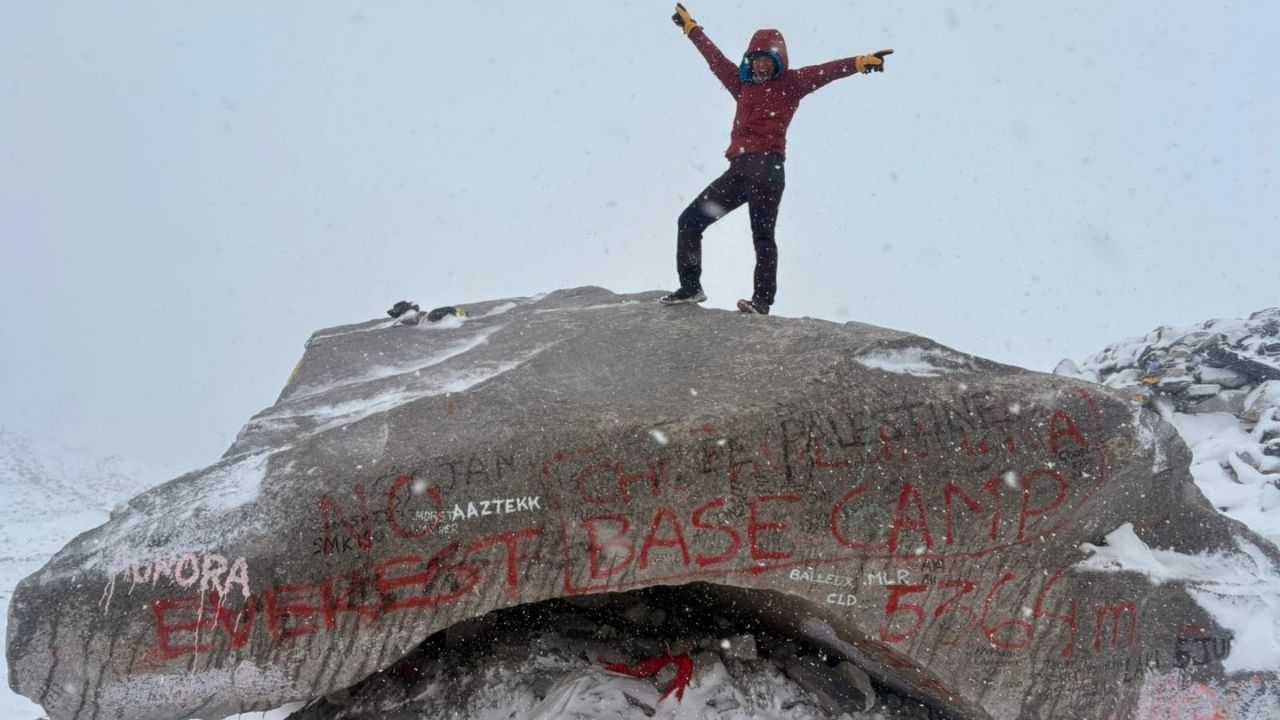
Proper Acclimatization
Acclimatization is the single most important factor affecting your success on the Everest Base Camp Trek. As you climb above 3,000 meters, the amount of oxygen in the air gradually decreases. Although the percentage of oxygen remains the same, the lower atmospheric pressure means your body receives less oxygen with every breath. Without enough time to adapt, you become more vulnerable to Acute Mountain Sickness (AMS) and other altitude-related illnesses.
This is why experienced trekking operators follow the principle of "climb high, sleep low." During acclimatization days, trekkers hike to a higher elevation during the day before descending to sleep at a lower altitude. This encourages the body to produce more red blood cells and become more efficient at transporting oxygen without placing unnecessary stress on the body.
The two most important acclimatization stops on the classic Everest Base Camp Trek are Namche Bazaar (3,440 m) and Dingboche (4,410 m). In Namche Bazaar, many trekkers hike to the Everest View Hotel or Khumjung Village before returning to Namche for the night. At Dingboche, acclimatization hikes toward Nagarjun Hill or Chhukung Valley help prepare the body for the higher elevations of Lobuche, Gorak Shep, Everest Base Camp, and Kala Patthar.
Skipping or shortening these acclimatization days may save time, but it also increases the likelihood of altitude sickness and reduces the overall chances of completing the trek successfully.
Daily Altitude Gain
How quickly you gain elevation plays a major role in determining whether you reach Everest Base Camp comfortably or struggle with altitude-related symptoms. While it may be tempting to choose a shorter itinerary, climbing too much altitude in a single day gives your body less time to adapt to the thinner air.
This is one of the biggest reasons why 10-day Everest Base Camp itineraries generally have lower completion rates than the traditional 14-day itinerary. Shorter itineraries often combine longer trekking days with faster altitude gain, leaving little opportunity for recovery before ascending even higher the following day.
In comparison, the 14-day itinerary spreads the same elevation gain across additional trekking days and includes dedicated acclimatization stops. This slower pace reduces physical fatigue, improves sleep quality at higher elevations, and allows trekkers to monitor how their bodies respond before continuing toward Everest Base Camp.
A gradual ascent doesn't guarantee you'll avoid altitude sickness, but it significantly improves your chances of adapting well and completing the trek safely.
Guide Experience
An experienced guide does much more than show the way to Everest Base Camp. Their knowledge and decision-making can have a direct impact on both your safety and your chances of completing the trek.
One of a guide's most important responsibilities is recognizing the early signs of Acute Mountain Sickness (AMS). Symptoms such as persistent headaches, dizziness, nausea, unusual fatigue, or shortness of breath can develop gradually. Experienced guides monitor trekkers closely and can identify when symptoms require additional rest or immediate descent before they become more serious.
Guides also help manage your daily pace. Many first-time trekkers start too quickly during the first few days, only to become exhausted at higher elevations. A professional guide encourages a slower, consistent walking rhythm with regular breaks, helping conserve energy throughout the trek.
Simple reminders to drink enough water, eat regular meals, and avoid unnecessary exertion also make a noticeable difference at altitude. If a trekker's condition worsens despite these precautions, an experienced guide knows when continuing would be unsafe and when descending is the best decision. Although turning back can be disappointing, making that decision at the right time is often what prevents a medical emergency.
Physical Preparation
Although acclimatization is more important than athletic ability, arriving in good physical condition makes the Everest Base Camp Trek significantly more enjoyable and manageable.
Cardiovascular fitness helps your body use oxygen more efficiently during long days of walking. Activities such as hiking, running, cycling, swimming, or stair climbing performed consistently for several weeks before the trek can improve endurance and reduce fatigue on the trail.
Previous hiking experience is also beneficial. Walking for multiple consecutive days over uneven terrain is very different from exercising in a gym. Trekkers who have completed day hikes or multi-day hikes often adapt more easily to the demands of the Everest region.
Strong legs and core muscles improve stability on rocky trails, while good recovery ability allows your body to feel ready for the next day's hike after several hours of walking.
While you don't need to be an elite athlete to complete the Everest Base Camp Trek, preparing your body before arriving in Nepal can greatly improve both your comfort and your confidence on the trail.
Weather and Season
The season you choose can also influence your chances of successfully completing the Everest Base Camp Trek. Better weather generally means clearer trails, more reliable flights to Lukla, and safer trekking conditions.
-
Spring (March to May)
Spring is one of the most popular seasons for the Everest Base Camp Trek. Temperatures become gradually warmer, rhododendron forests bloom at lower elevations, and visibility is often excellent. Stable weather and favorable climbing conditions make this one of the best seasons for first-time trekkers.
-
Autumn (September to November)
Autumn is widely considered the best overall trekking season in Nepal. After the monsoon, the air becomes clean, mountain views are exceptionally clear, and weather conditions remain stable. Comfortable daytime temperatures and reliable trail conditions contribute to a high trek completion rate.
-
Winter (December to February)
Winter offers quieter trails and spectacular mountain scenery, but colder temperatures and occasional snowfall make the trek more demanding. Flights to Lukla may also face weather-related delays, and freezing nighttime temperatures require proper winter equipment. Experienced trekkers who prepare well can still complete the trek successfully.
-
Monsoon (June to August)
The monsoon season is generally the least favorable time for the Everest Base Camp Trek. Frequent rainfall, cloudy skies, slippery trails, and occasional flight disruptions can make the journey more challenging. While trekking is still possible, success often depends on weather conditions, flexibility in travel plans, and previous trekking experience.
**Next Up: Gokyo Lakes Trek– A Journey Through Turquoise Lakes and Himalayan Giants**
Conclusion: Which Everest Itinerary Has the Highest Success Rate?
The itinerary you choose plays a much bigger role in the success of your Everest Base Camp Trek than many trekkers realize. While fitness, weather conditions, and personal determination all contribute to the journey, a well-paced itinerary with proper acclimatization gives you the best opportunity to reach Everest Base Camp (5,364 m) and Kala Patthar (5,550 m) safely. For this reason, the classic 14 to 16-day Everest Base Camp itinerary continues to be the preferred choice for most trekkers, offering the ideal balance between adventure, comfort, and altitude adaptation.
If your goal is to enjoy the journey rather than simply reach the destination, it's worth prioritizing an itinerary that allows your body enough time to adjust to the increasing altitude. Combined with good physical preparation, an experienced guide, and trekking during a favorable season, a well-designed itinerary can significantly improve your chances of completing one of the world's most iconic trekking adventures.
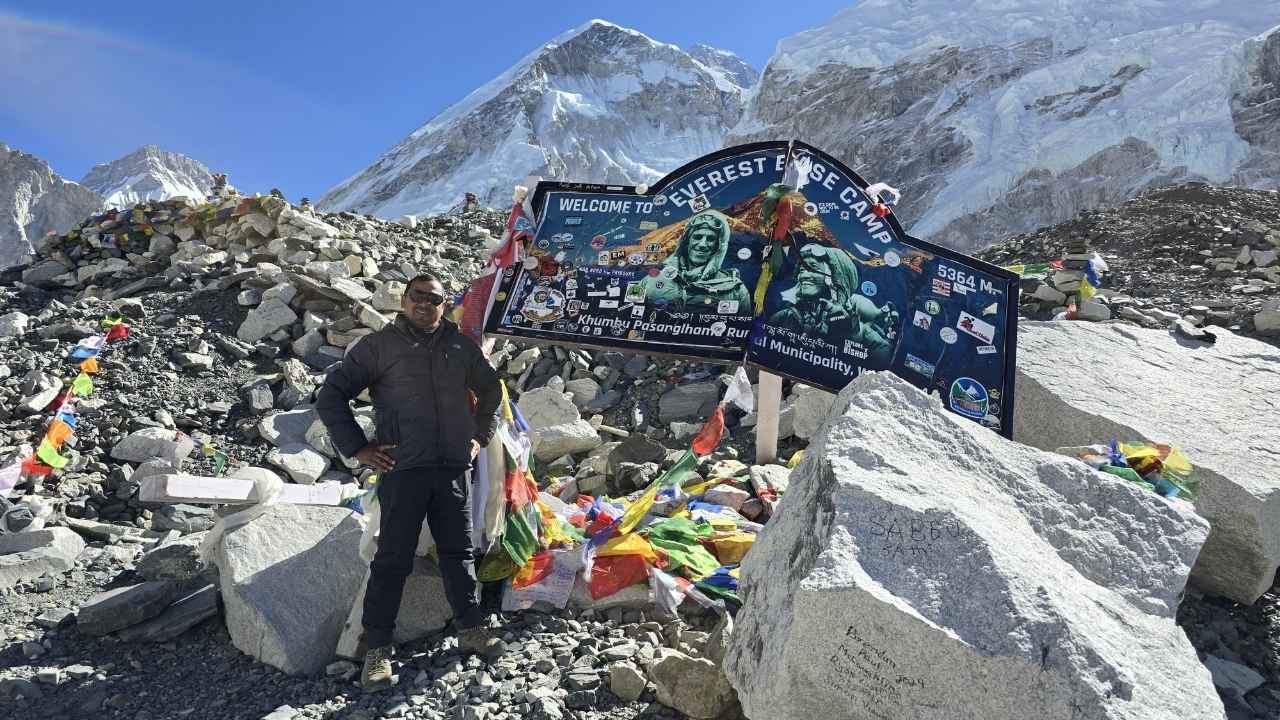
At Eco Holidays Nepal, we have carefully crafted our 14-Day Everest Base Camp Trek itinerary based on years of experience guiding trekkers through the Khumbu region. With dedicated acclimatization days, experienced local guides, and a gradual ascent, our itinerary is designed to maximize both safety and enjoyment while giving you the confidence to complete the trek successfully.
Planning the Everest Base Camp Trek is not only about selecting a route on the map; it is about choosing an itinerary that matches your pace, preparation, and expectations. With the right schedule, proper acclimatization, and support from an experienced trekking team, you can focus on experiencing the landscapes, villages, and culture that make the Khumbu region so remarkable while moving confidently toward Everest Base Camp.