

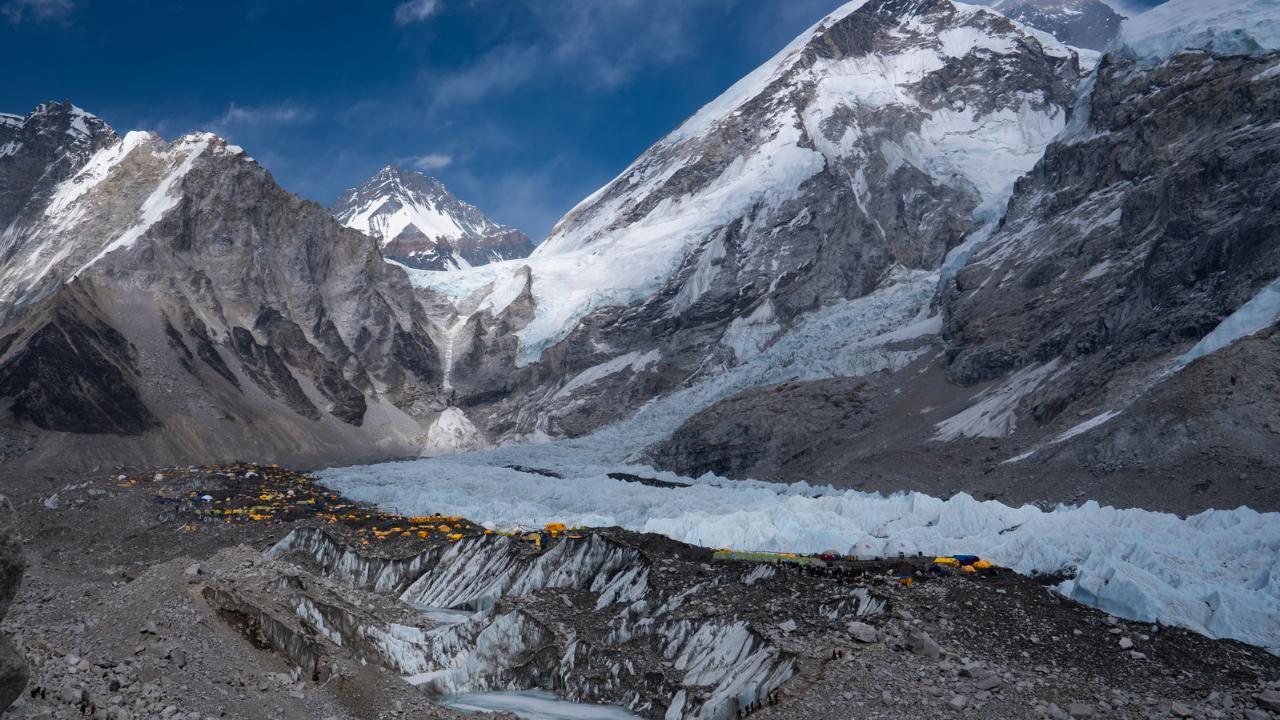
The Everest Base Camp Trek in December offers a quieter Himalayan experience, with crisp winter air, exceptionally clear mountain views, and snow-covered landscapes across the Khumbu region. As winter settles in, the busy trekking trails become less crowded, giving you more space to appreciate the Sherpa villages, ancient monasteries, and dramatic mountain scenery along the way. From Namche Bazaar (3,440m) and Tengboche (3,860m) to Dingboche (4,410m), the route reveals a different side of the Everest region, with Mount Everest (8,848.86m), Ama Dablam, Lhotse, and Nuptse standing prominently against the clear winter skies.
Trekking to Everest Base Camp in December is rewarding, but the cold weather and high-altitude conditions require careful preparation. Daytime temperatures can remain pleasant in direct sunlight at lower elevations, while nights become increasingly cold as you climb above 4,000m. At Dingboche and Gorak Shep (5,164m), temperatures frequently fall below freezing, and snowfall can affect trail conditions around Everest Base Camp (5,364m). Shorter daylight hours also make early starts and proper daily planning important.
Despite the cold, December has several advantages for trekkers who are prepared for winter conditions. The quieter trails, excellent visibility on clear days, and peaceful atmosphere in the mountain settlements create a rewarding journey through the Khumbu. With appropriate winter clothing, a suitable itinerary, and an experienced trekking guide, you can reach Everest Base Camp and experience the Himalayas during one of their most striking seasons.
Everest Base Camp Trek in December– Package Overview
December is one of the quieter periods on the Everest Base Camp trail, bringing a noticeable change in the atmosphere of the Khumbu Valley. Your journey begins with a mountain flight to Lukla (2,860m), followed by a gradual ascent through Phakding, Namche Bazaar, Tengboche, and Dingboche. As you move farther into the mountains, the landscape becomes increasingly rugged, with snow-covered summits, frozen streams, open glacial valleys, and colder high-altitude settlements. The winter scenery is particularly striking around Lobuche and Gorak Shep, where the surrounding peaks dominate the horizon.
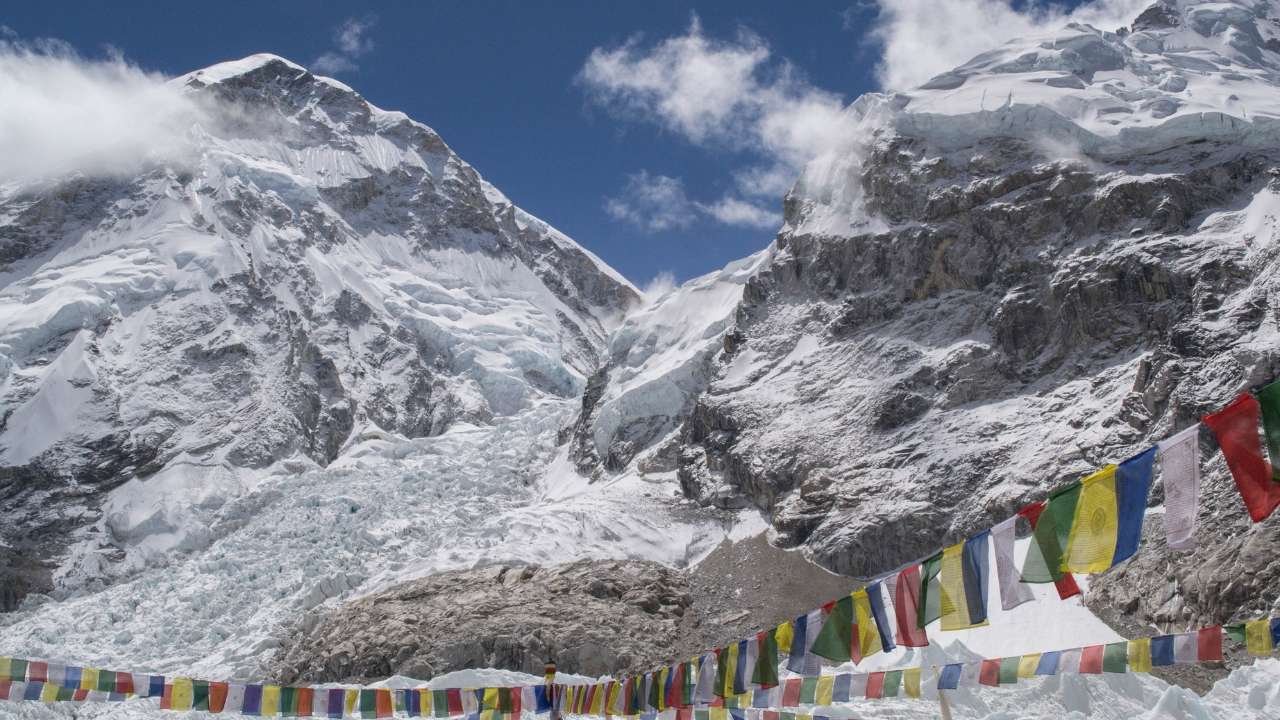
The Eco Holidays Nepal Everest Base Camp Trek follows a 12-day itinerary, combining mountain flights, two acclimatization days, and the round-trip trek to Everest Base Camp (5,364m). December offers good opportunities for mountain photography because of its generally clear skies, although snowfall, freezing temperatures, and occasional flight disruptions require additional preparation. The first half of December can be slightly less exposed to deep-winter conditions than the final weeks, particularly at higher elevations.
|
Trek Detail |
December Overview |
|
Duration |
12 days, including mountain flights, acclimatization, and trekking |
|
Starting Point |
Kathmandu, followed by a flight to Lukla (2,860m/ 9,383ft) |
|
Trek Difficulty |
Moderate to challenging, mainly due to high altitude, cold temperatures, and long walking days |
|
Highest Point |
Kala Patthar (5,550m/ 18,208ft) |
|
Typical Walking Time |
Around 5 to 6 hours on most trekking days, with 8 to 9 hours for the Everest Base Camp excursion |
|
Main Route |
Kathmandu → Lukla → Phakding → Namche Bazaar → Tengboche → Dingboche → Lobuche → Gorak Shep → Everest Base Camp → Kala Patthar → Pheriche → Namche Bazaar → Lukla → Kathmandu |
|
Acclimatization |
Two dedicated acclimatization days at Namche Bazaar (3,440m/ 11,286ft) and Dingboche (4,410m/ 14,468ft) |
|
Landscape |
Snow-covered Himalayan peaks, alpine forests, frozen streams, glacial moraines, rocky valleys, and high-altitude mountain terrain |
|
Cultural Experience |
Sherpa communities, Buddhist monasteries, prayer wheels, mani walls, traditional mountain settlements, and Tengboche Monastery |
|
Major Attractions |
Namche Bazaar, Everest View Hotel, Tengboche Monastery, Khumbu Glacier, Everest Base Camp, Kala Patthar, and panoramic views of Everest, Lhotse, Nuptse, and Ama Dablam |
|
December Conditions |
Generally clear winter skies, cold mornings, freezing nights, shorter daylight hours, and possible snowfall or icy trail sections at higher elevations |
The most demanding stretch of your Everest Base Camp Trek in December comes during the ascent from Lobuche (4,910m/ 16,108ft) to Gorak Shep (5,164m/ 16,942ft) and onward to Everest Base Camp. You will spend approximately 8 to 9 hours walking across rocky trails and glacial moraine, with temperatures often remaining below freezing. The thinner air, exposed terrain, and cold winds make this a physically demanding day. Starting early, wearing appropriate insulated clothing, and maintaining a steady walking pace are particularly important during December.
The following morning, you will climb to Kala Patthar (5,550m/ 18,208ft), the highest point of the itinerary, for a panoramic view of Mount Everest and the surrounding Himalayan giants. Sunrise is especially rewarding in winter, as the early light gradually illuminates the snow-covered summits. However, the pre-dawn climb can be extremely cold, so proper gloves, insulated layers, and head protection are essential. After descending to Gorak Shep, you will continue toward Pheriche, beginning the return journey through the Khumbu Valley.
December also requires some flexibility in your travel schedule. Snowfall, poor visibility, and strong winds can occasionally affect flights between Kathmandu and Lukla, resulting in delays or cancellations. Keeping an additional buffer day in your overall travel plans is a sensible precaution, particularly when you have international flights to catch after completing the trek.
With two acclimatization days, a gradual ascent, and a carefully structured return route, the 12-day Eco Holidays Nepal itinerary provides an organized way to experience the Everest region during winter. You will encounter fewer trekkers, colder mountain settlements, and some remarkable Himalayan scenery, while the changing weather conditions make preparation and guidance especially important.
EBC Trail Weather Conditions in December
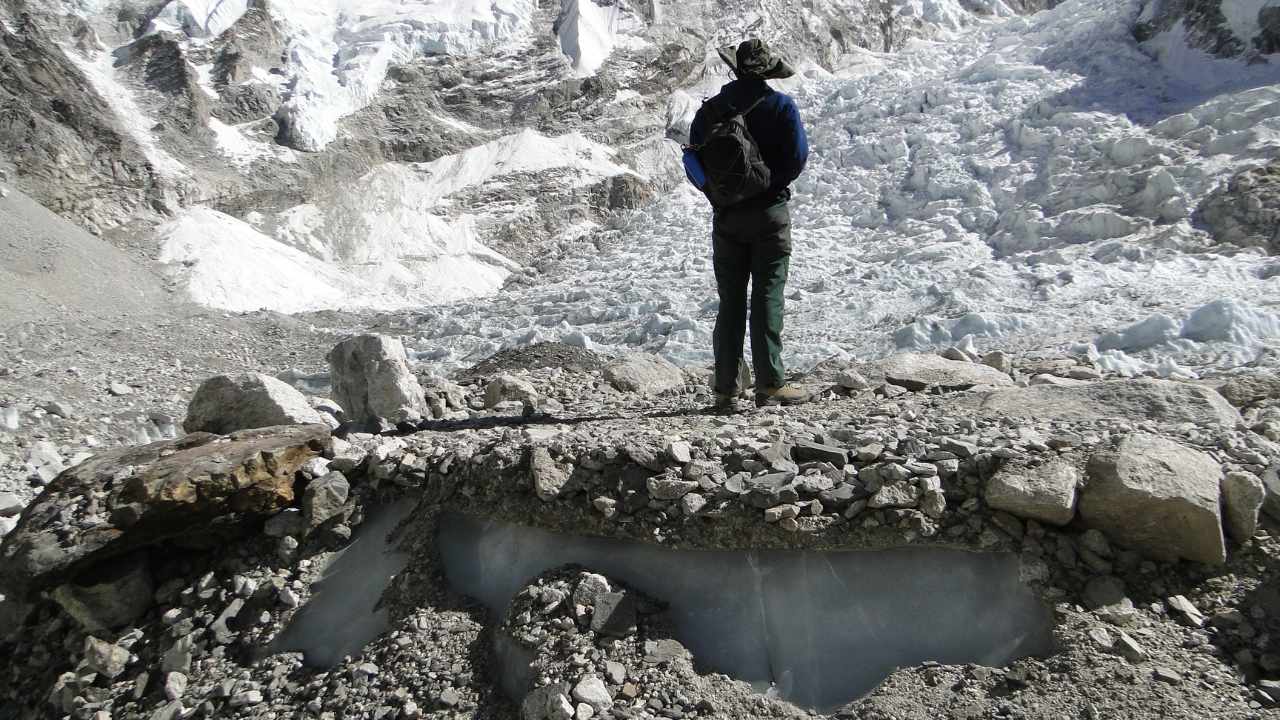
December marks the beginning of winter trekking conditions along the Everest Base Camp trail. The Khumbu region receives relatively little precipitation during this month, and clear skies often provide excellent visibility of Everest, Lhotse, Nuptse, and Ama Dablam. However, temperatures decrease considerably as you gain elevation, particularly beyond Namche Bazaar (3,440m). While lower settlements can still experience pleasant sunshine during the day, the higher villages around Dingboche, Lobuche, and Gorak Shep remain cold, with nighttime temperatures regularly falling well below freezing.
The weather also changes as December progresses. The first half of the month generally offers slightly milder daytime conditions, while the second half brings colder nights, more persistent frost, and a greater possibility of snowfall at higher elevations. Snow does not necessarily cover the entire trekking route, but fresh snowfall can accumulate around Lobuche, Gorak Shep, and Kala Patthar, sometimes making exposed and shaded trail sections icy. Strong winds can further increase the cold, particularly during the early-morning climb to Kala Patthar (5,550m).
The following table gives you an approximate idea of daytime and nighttime temperatures at the major overnight stops along the route.
|
Location |
Approximate December Temperature |
|
Lukla (2,860m / 9,383ft) |
Around 8°C to 12°C during the day; -2°C to 2°C at night |
|
Namche Bazaar (3,440m / 11,286ft) |
Around 5°C to 9°C during the day; -4°C to -8°C at night |
|
Tengboche (3,867m / 12,687ft) |
Around 2°C to 7°C during the day; -6°C to -10°C at night |
|
Dingboche (4,410m / 14,468ft) |
Around 0°C to 5°C during the day; -8°C to -13°C at night |
|
Lobuche (4,910m / 16,109ft) |
Around -3°C to 3°C during the day; -12°C to -17°C at night |
|
Gorak Shep (5,164m / 16,942ft) |
Around -3°C to 2°C during the day; -14°C to -20°C at night |
|
Kala Patthar (5,550m / 18,208ft) |
Often around -8°C to -2°C during the day, with considerably colder conditions before sunrise |
These are approximate planning ranges rather than guaranteed daily temperatures or verified averages for every location. Actual conditions vary with altitude, sunshine, wind exposure, and the timing of your trek. Wind chill can make exposed viewpoints feel considerably colder.
December's relatively dry weather creates favorable conditions for long-distance mountain views and photography. You can often see the surrounding Himalayan peaks clearly during the morning, before afternoon cloud or changing weather affects visibility. The lower sections between Lukla, Phakding, and Namche generally remain suitable for regular trekking, although shaded paths can develop frost overnight. Above Dingboche, frozen water sources, icy patches, and occasional fresh snow require greater attention to your footing. The shorter winter daylight window also makes it important to begin your daily walks early and reach your overnight lodge before temperatures fall toward evening.
Overall, December offers a combination of excellent mountain visibility, quieter trails, and genuine winter conditions on the Everest Base Camp route. The lower Khumbu remains relatively manageable during sunny daytime hours, but the upper trail demands proper cold-weather equipment and a willingness to adjust your walking plans when conditions change.
Highlights of Everest Base Camp Trek in December
The Everest Base Camp Trek in December offers a different experience from the busy autumn trekking season. Winter brings colder temperatures to the Khumbu Valley, but it also creates opportunities to experience the Everest region with fewer trekkers, crisp mountain air, and striking views of snow-covered Himalayan peaks. The route passes through traditional Sherpa settlements, Buddhist monasteries, alpine valleys, and glacial landscapes, with the changing winter conditions adding another dimension to the journey. Here are the major highlights that make a December trek to Everest Base Camp rewarding.
-
Exceptional Mountain Visibility and Winter Photography
December often brings clear mornings and excellent visibility across the Everest region, creating favorable conditions for mountain photography. You can enjoy impressive views of Mount Everest (8,848.86m), Lhotse (8,516m), Nuptse (7,861m), and Ama Dablam (6,812m) as you walk through the upper Khumbu Valley. The dry winter atmosphere can produce sharp mountain outlines, while fresh snowfall adds contrast to the surrounding ridges and glaciers. Kala Patthar (5,550m) is particularly rewarding for panoramic photography, especially around sunrise when the first sunlight reaches Everest and neighboring peaks.
-
Quieter Trails and a More Peaceful Khumbu Experience
December falls outside the main spring and autumn trekking seasons, so you generally encounter fewer trekkers than during October and November. The difference becomes noticeable around Namche Bazaar, Tengboche, Dingboche, and the upper settlements. You can spend more time appreciating the mountain scenery, exploring village surroundings, and experiencing the quieter atmosphere of traditional Sherpa communities. Some teahouses operate with reduced services or close for the winter, particularly at higher elevations, so accommodation arrangements should be confirmed before departure.
-
Snow-Covered Landscapes and a Genuine Winter Trekking Experience
Winter changes the appearance of the Everest Base Camp trail, particularly above Dingboche (4,410m). Snow can cover sections of the surrounding slopes, mountain ridges, and glacial terrain, while frozen streams and frost-covered trails become more common during colder periods. The landscape around Lobuche, Gorak Shep, and the Khumbu Glacier feels especially remote during December. Fresh snowfall is not guaranteed throughout the month, but when it occurs, it adds a distinctive winter character to the high-altitude scenery.
-
Experience Sherpa Culture and Buddhist Heritage
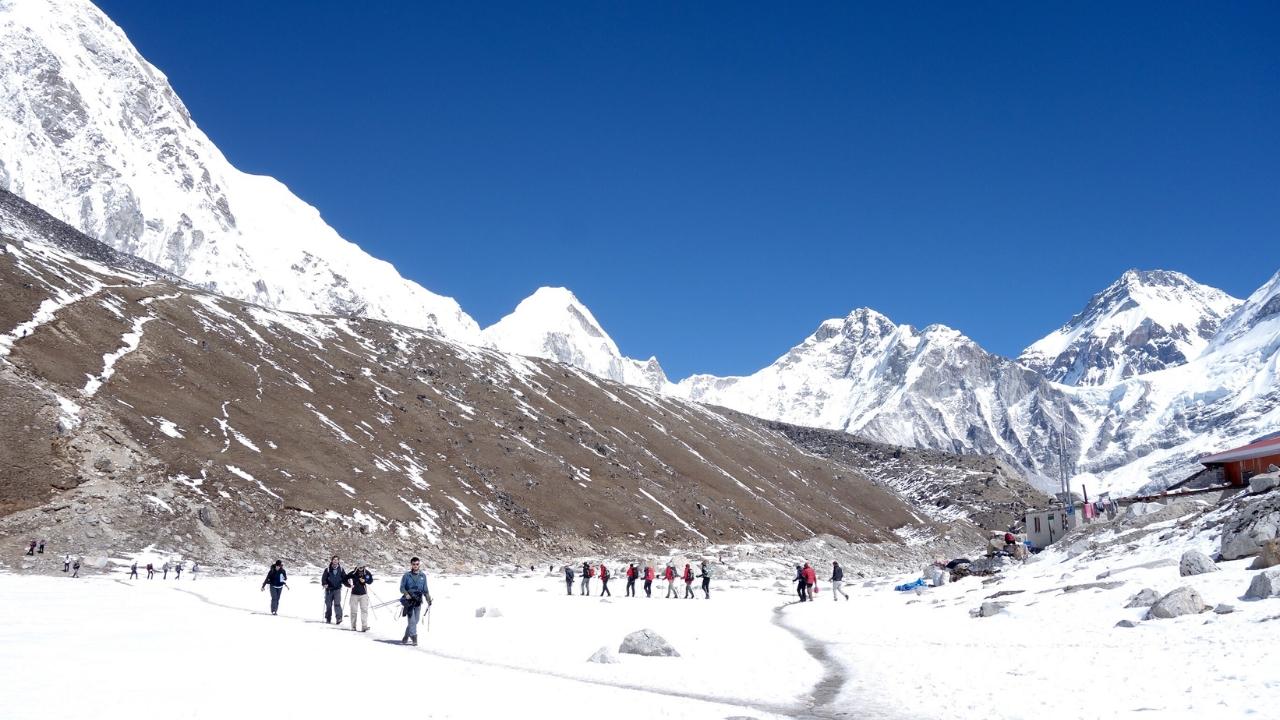
The Everest trail offers more than mountain scenery, and December gives you opportunities to experience the cultural side of the Khumbu without the same level of trekking traffic found during peak season. Namche Bazaar introduces you to the region's Sherpa trading culture, while Tengboche Monastery (3,860m) remains one of the most significant Buddhist landmarks along the route. You will also encounter prayer flags, mani walls, chortens, and traditional settlements that reflect the influence of Tibetan Buddhism. Spending time in these villages adds cultural depth to the journey beyond reaching the base camp itself.
-
Enjoy the Changing Mountain Scenery from Lukla to Everest Base Camp
The gradual ascent from Lukla (2,860m) to Everest Base Camp (5,364m) takes you through several distinct landscapes. Lower sections feature pine forests, suspension bridges, river valleys, and cultivated hillsides. Beyond Namche Bazaar, the route becomes increasingly alpine, with open valleys, rugged mountain slopes, and glacial terrain. By the time you reach Gorak Shep, the landscape is dominated by the Khumbu Glacier and surrounding high Himalayan peaks. December makes these geographical changes more noticeable as frost, snow, and winter light transform the upper sections of the trail.
-
A Winter Trek Before the Harshest Conditions of January
December offers an opportunity to experience the Everest region during the transition into its coldest winter period. Early December generally provides a more favorable balance of daytime temperatures and mountain visibility, although freezing nights are already common above 4,000m. Toward late December, colder conditions, snowfall, and icy trail sections become more likely. For trekkers comfortable with winter temperatures, the month can provide a rewarding alternative to the crowded autumn season. Choosing an early-December departure can help you benefit from the quieter trails while limiting exposure to the deeper winter conditions that often develop later.
Trek Difficulty in December
The Everest Base Camp Trek in December is a moderate to challenging high-altitude trek, with the main difficulties coming from elevation gain, long walking days, cold temperatures, and occasional winter trail conditions. You do not need technical climbing skills, but you should be comfortable walking for 5 to 7 hours a day over uneven mountain terrain. The final approach to Everest Base Camp (5,364m/ 17,598ft) and the early-morning ascent to Kala Patthar (5,550m/ 18,208ft) demand greater physical endurance.
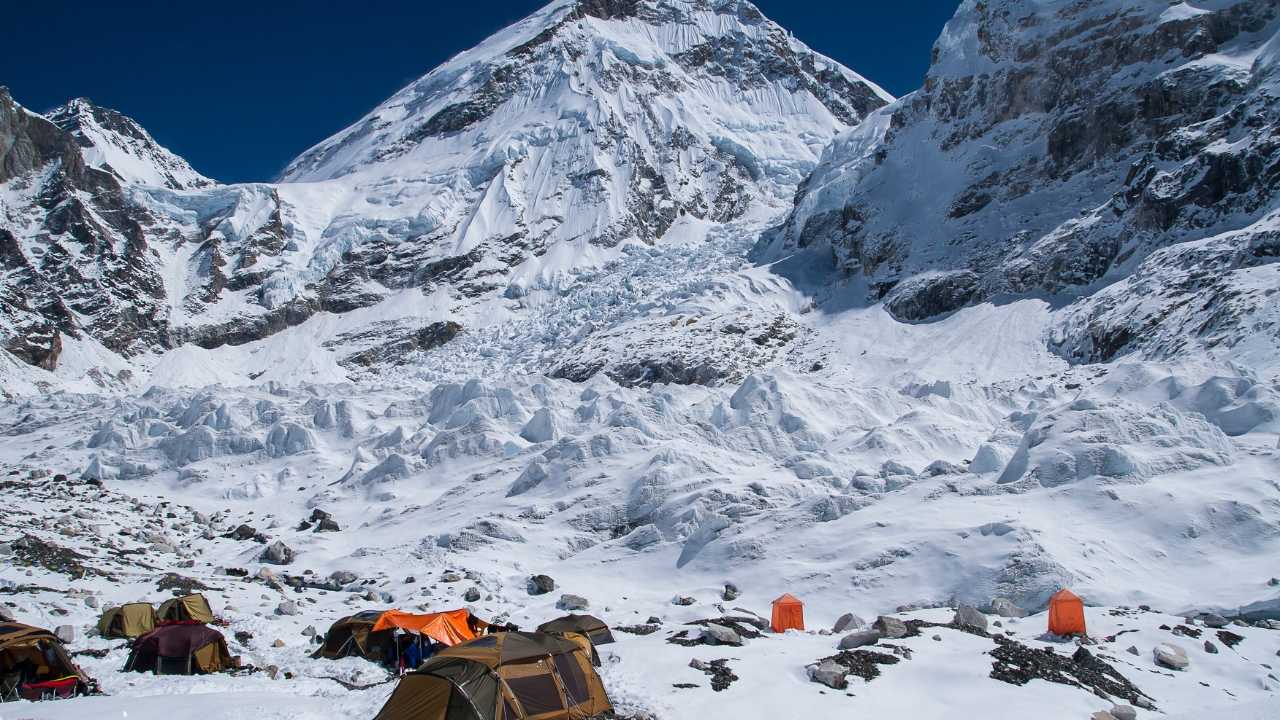
December adds several challenges to the standard trekking experience:
-
Freezing Temperatures: Nighttime temperatures can fall below -15°C at Lobuche and Gorak Shep, making rest and recovery more difficult.
-
Icy Trails: Frost, frozen sections, and occasional snowfall can make rocky paths slippery, particularly in shaded areas and above Dingboche.
-
High-Altitude Exposure: Walking above 4,000m reduces oxygen availability, increasing fatigue, breathlessness, and the risk of altitude sickness.
-
Shorter Daylight Hours: You have less time for daily walking, making early departures important, particularly for the Everest Base Camp and Kala Patthar excursions.
-
Weather Disruptions: Snowfall, strong winds, and poor visibility can affect high-altitude walking conditions and flights between Kathmandu and Lukla.
The two acclimatization days at Namche Bazaar (3,440m/ 11,286ft) and Dingboche (4,410m/ 14,468ft) are important for adjusting to the increasing elevation. You should also maintain a steady walking pace, stay hydrated, and avoid ascending when experiencing symptoms of altitude sickness. Everest Base Camp Trek in December is manageable for fit trekkers with proper preparation, but you should allow flexibility for winter weather and follow your guide's assessment of trail and flight conditions.
Training and Preparation
Preparing for the Everest Base Camp Trek in December requires cardiovascular endurance, leg strength, and the ability to walk for several consecutive days in cold conditions. Start training 8 to 10 weeks before departure, focusing on uphill walking, stair climbing, and strength exercises. You should be comfortable walking for 5 to 7 hours daily, with sufficient endurance for the longer 8 to 9-hour excursion to Everest Base Camp.
-
Cardiovascular Training: Walk, jog, or cycle for 30–60 minutes, 4 to 5 days per week. Include stair climbing and uphill walks to improve endurance.
-
Leg Strength: Perform squats, lunges, step-ups, and calf raises 2 to 3 times weekly to prepare for steep ascents and rocky descents.
-
Loaded Backpack Practice: Hike for 3 to 5 hours with a gradually increased 5–7kg backpack. Break in your trekking boots before departure.
-
Cold-Weather Preparation: Test your thermal base layers, fleece, insulated down jacket, waterproof shell, gloves, and winter trekking socks before the trek.
-
Altitude Awareness: Understand AMS symptoms such as headaches, nausea, dizziness, and unusual fatigue. Physical fitness does not prevent altitude sickness, so follow the acclimatization schedule at Namche Bazaar (3,440m) and Dingboche (4,410m).
Aim to complete a few 4 to 5-hour uphill hikes during your final training weeks, followed by lighter activity and adequate rest before departure. Consistent preparation will help you manage the long walking days, winter temperatures, and high-altitude demands of the December trek.
Packing Suggestions for December EBC Trek
Packing for the Everest Base Camp Trek in December requires particular attention to insulation, sleeping comfort, and protection against freezing temperatures at higher elevations. While daytime walking can be comfortable under direct sunlight, temperatures around Lobuche (4,910m), Gorak Shep (5,164m), and Kala Patthar (5,550m) can become extremely cold, especially before sunrise and after sunset. Prioritize a practical layering system, insulated sleeping gear, and footwear with reliable grip for potentially icy trails.
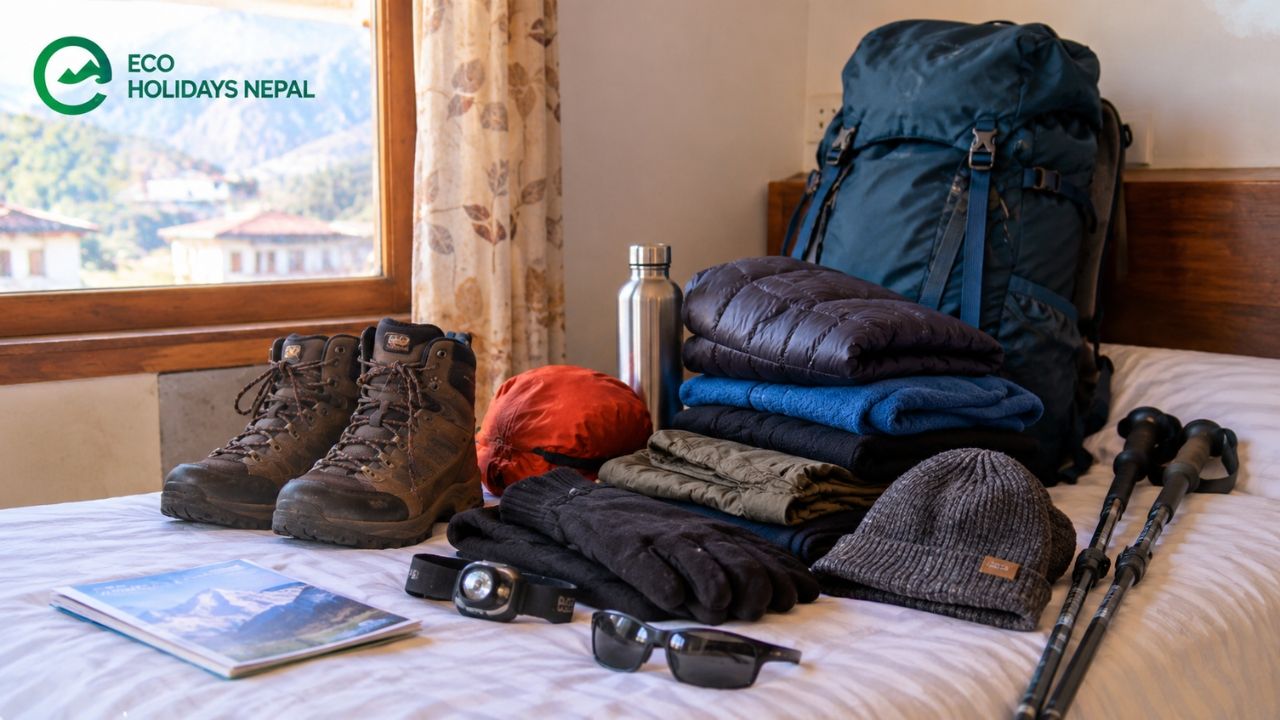
Clothing and Layering
-
Moisture-wicking thermal base layers (top and bottom)
-
Quick-drying trekking shirts and trousers
-
Fleece or insulated mid-layer
-
Warm down jacket
-
Waterproof and windproof outer shell
-
Thermal leggings for colder days
-
Insulated gloves and lightweight liner gloves
-
Woolen hat, neck gaiter, and warm trekking socks
-
Comfortable evening clothes for teahouse stays
Footwear and Trail Equipment
-
Broken-in waterproof trekking boots with good grip
-
Extra trekking socks and blister plasters
-
Trekking poles for uneven and potentially icy terrain
-
Lightweight camp shoes or sandals
-
Gaiters for snowy trail conditions
-
Headlamp with spare batteries
Backpack and Sleeping Gear
-
25 to 35L daypack if using a porter
-
Duffel bag for porter-carried luggage
-
Waterproof backpack cover and dry bags
-
Sleeping bag rated around -15°C to -20°C
-
Sleeping bag liner for additional insulation
Sun, Water, and Personal Protection
-
UV-protection sunglasses (preferably category 3 or 4)
-
Sunscreen (SPF 30–50) and SPF lip balm
-
Insulated water bottle or reusable bottles
-
Water purification tablets, drops, or filter
-
Moisturizer for cold, dry conditions
Personal Hygiene and First Aid
-
Personal medications and basic first-aid kit
-
Blister treatment and basic pain relief
-
Hand sanitizer, wet wipes, and tissues
-
Quick-drying towel and travel-sized toiletries
-
Toilet paper and small waste bags
Documents, Money, and Electronics
-
Passport and required trekking permits
-
Travel insurance covering high-altitude trekking and emergency helicopter evacuation
-
Nepali cash for charging, snacks, hot showers, and personal expenses
-
Mobile phone, charging cables, and power bank
-
Camera with spare batteries
-
Offline maps and downloaded trekking information
Food and Useful Extras
-
Energy bars, nuts, and trail mix
-
Earplugs for shared teahouse rooms
-
Small personal lock
-
Dry bags for protecting electronics and spare clothing
**December Packing Priority: Give extra attention to sleeping insulation, gloves, thermal layers, and head protection. Cold nights at Gorak Shep and the pre-dawn climb to Kala Patthar are particularly demanding. Keep spare batteries and electronics warm inside your clothing or sleeping bag, as cold temperatures can reduce battery performance**
Helpful Tips for Everest Base Camp Trek in December
December trekking in Everest region requires more attention to cold-weather preparation, daily walking schedules, and changing trail conditions than the main autumn season. Freezing nights, shorter daylight hours, occasional snowfall, and possible Lukla flight disruptions can affect your itinerary. The following tips will help you prepare for the winter conditions, manage the high-altitude sections, and make practical decisions throughout your journey.
-
Choose an Early December Departure: The first half of December generally offers slightly milder conditions than the final weeks of the month. Freezing nights are common throughout December, but colder temperatures and possible snowfall become more significant as winter progresses. Check the latest weather forecast before departure rather than relying on seasonal averages alone.
-
Keep Your Lukla Flight Schedule Flexible: Winter weather, fog, and strong winds can cause delays or cancellations on Kathmandu–Lukla flights. Keep at least 1 to 2 buffer days in your overall travel schedule, particularly before your international departure.
-
Follow Both Acclimatization Days: Use the scheduled acclimatization days at Namche Bazaar (3,440m/ 11,286ft) and Dingboche (4,410m/ 14,468ft) for gradual acclimatization hikes. Avoid rapid ascents, stay hydrated, and report headaches, nausea, dizziness, or unusual fatigue to your guide.
-
Start Walking Early: December has shorter daylight hours, and temperatures drop quickly after sunset. Begin your daily walks early, especially on the Gorak Shep–Everest Base Camp excursion and the pre-dawn Kala Patthar ascent. Carry a headlamp for early starts.
-
Prepare for Frozen Trails: Frost and ice can develop on shaded paths, particularly above Dingboche. Use trekking poles, wear boots with reliable grip, and walk carefully on steep or slippery sections. Your guide should assess fresh snowfall and trail conditions before higher-altitude excursions.
-
Dress in Layers Rather Than Relying on One Heavy Jacket: Temperatures can change considerably between sunny walking hours and cold mornings or evenings. Use moisture-wicking thermal layers, a fleece mid-layer, and an insulated down jacket under a windproof outer shell. Keep gloves, a warm hat, and spare socks accessible.
-
Protect Yourself During the Kala Patthar Sunrise: The climb to Kala Patthar (5,550m/ 18,208ft) usually begins before sunrise, when temperatures are particularly low. Carry insulated gloves, a head covering, warm layers, a headlamp, and sufficient drinking water. Follow your guide's assessment if strong winds, snowfall, or poor visibility affect the climb.
-
Stay Hydrated Despite the Cold: Cold weather can reduce your natural feeling of thirst, but high-altitude walking increases your fluid requirements. Drink regularly throughout the day, carry a reusable water bottle, and use purification tablets or another suitable treatment method for drinking water.
-
Carry Sufficient Cash for Higher Villages: Do not depend on ATMs or card payments once you leave Namche Bazaar. Keep enough Nepali rupees for hot showers, device charging, snacks, Wi-Fi, and additional accommodation if weather delays extend your stay.
-
Protect Electronics from Freezing Temperatures: Cold conditions can reduce camera and mobile battery performance, particularly during early-morning excursions. Carry a power bank, keep spare batteries inside an insulated pocket, and charge your devices whenever electricity is available at teahouses.
-
Do Not Continue Ascending with Worsening AMS Symptoms: Physical fitness does not prevent altitude sickness. Report headaches, nausea, dizziness, or unusual fatigue to your guide. Confusion, difficulty walking, or breathlessness at rest requires urgent medical attention and immediate descent under appropriate guidance.
-
Allow Buffer Time After Completing the Trek: Avoid scheduling an international flight immediately after your planned return from Lukla. Winter weather can disrupt domestic flights, and an additional 1 to 2 days in Kathmandu provides useful flexibility if your return journey is delayed.