

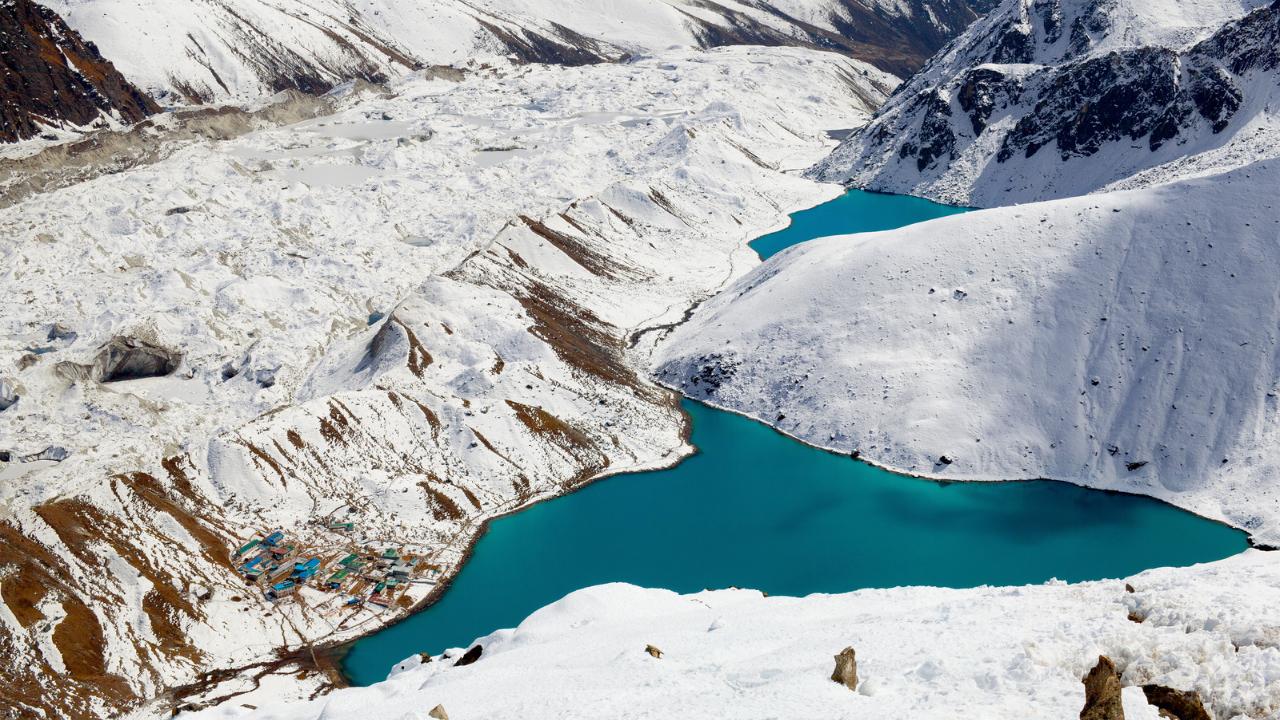
The Gokyo Lakes Trek in December takes you into the quieter winter landscapes of the Everest region, following the Dudh Koshi Valley from Lukla (2,860m/ 9,383ft) towards a chain of glacial lakes beneath the towering Cho Oyu (8,188m). December brings a different character to the Gokyo Valley: clear mountain views, crisp daytime conditions, frozen sections of the lakes, snow-covered slopes, and considerably colder nights as you climb above 4,000m. With fewer trekkers on the trail after the autumn season, you can experience the high Himalayan settlements and landscapes with less foot traffic, although winter conditions require more preparation and flexibility.
A standard Gokyo Lakes Trek takes approximately 12 to 14 days, covering roughly 90 to 100 km (56 to 62 miles) of walking, depending on your itinerary and side excursions. After reaching Namche Bazaar (3,440m/ 11,286ft) and allowing time for acclimatization, you leave the main Everest Base Camp trail and climb through Dole (4,038m/ 13,248ft) and Machhermo (4,470m/ 14,665ft) before arriving at Gokyo Village (4,790m/ 15,715ft). The altitude becomes a major consideration during this section, particularly as temperatures drop and the trail passes through exposed alpine terrain. From Gokyo, you can climb Gokyo Ri (5,357m/ 17,575ft) for a panoramic view of Everest (8,848.86m), Lhotse, Makalu, and Cho Oyu, alongside the immense Ngozumpa Glacier.
December temperatures become increasingly demanding at higher elevations. While daytime conditions around Namche can remain relatively manageable in sunshine, temperatures around Gokyo can hover close to or below freezing during the day and fall to approximately -10°C to -17°C at night, with colder conditions possible during particularly cold spells. The lakes may develop substantial ice cover, and snow or frost can make sections of the trail slippery, especially during early-morning departures towards Gokyo Ri. You should also account for shorter daylight hours, limited teahouse operations at higher settlements, and possible delays to Lukla flights during unfavourable weather.
This guide to the Gokyo Lakes Trek in December covers the expected weather and temperatures along the route, trail conditions, winter trekking difficulty, acclimatization requirements, and essential preparation. It will also help you understand what to expect from the lakes and mountain viewpoints during winter, so you can decide whether December suits your trekking experience and expectations.
Gokyo Lakes Trek in December– Package Overview
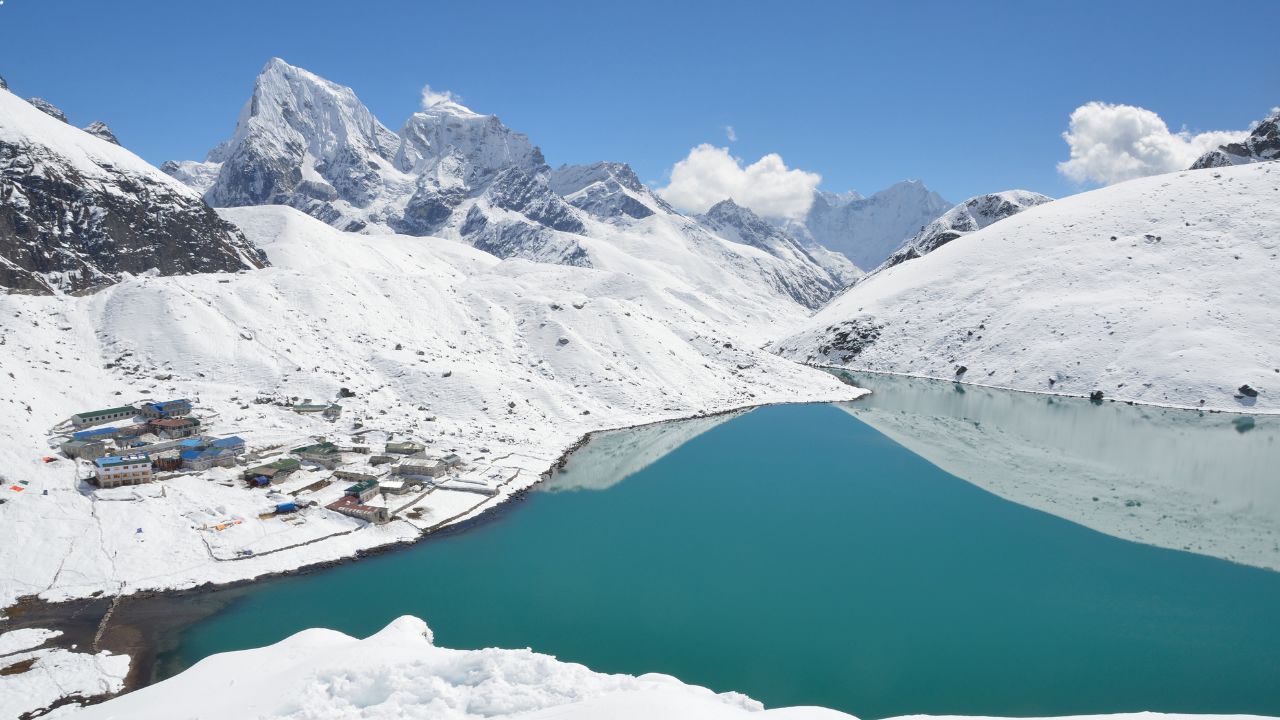
The Gokyo Lakes Trek in December takes you from the forested lower Dudh Koshi Valley into the cold, high-altitude landscape of the upper Gokyo Valley. After reaching Namche Bazaar (3,440m/11,286ft), you leave the main Everest Base Camp route and follow the western valley through Dole (4,038m/ 13,248ft) and Machhermo (4,470m/14,665ft) to Gokyo Village (4,800m/ 15,748ft). The journey combines traditional Sherpa settlements, glacial terrain, and the six Gokyo Lakes, with an optional ascent of Gokyo Ri (5,357m/17,575ft) for views of Everest, Lhotse, Makalu, and Cho Oyu.
December brings shorter daylight hours and colder conditions, particularly above Machhermo. You can generally expect clear morning skies during stable weather, while nighttime temperatures around Gokyo can fall to approximately -10°C to -17°C. Snowfall and frozen trail sections are possible, especially around Gokyo Ri, so walking times and summit attempts may depend on daily conditions.
|
Trek Detail |
December Overview |
|
Duration |
Approximately 12 to 14 days, including arrival, departure, flights, acclimatization, and trekking |
|
Starting Point |
Kathmandu, followed by a flight to Lukla (2,860m/9,383ft) |
|
Trek Difficulty |
Moderate to challenging, with sustained ascents and high-altitude exposure |
|
Highest Point |
Gokyo Ri (5,357m/17,575ft) |
|
Typical Walking Time |
Around 4 to 7 hours daily, depending on elevation and trail conditions |
|
Main Route |
Kathmandu → Lukla → Phakding → Namche Bazaar → Dole → Machhermo → Gokyo → Gokyo Ri → Return to Lukla |
|
Acclimatization |
Dedicated acclimatization day in Namche Bazaar (3,440m/11,286ft) |
|
Landscape |
Forested river valleys, alpine pastures, glacial moraines, high-altitude lakes, and snow-covered Himalayan slopes |
|
Cultural Experience |
Sherpa villages, Buddhist monasteries, mani walls, prayer flags, and traditional mountain settlements |
|
Major Attractions |
Gokyo Lakes, Ngozumpa Glacier, Gokyo Ri, Everest, Cho Oyu, Lhotse, and Makalu |
|
December Conditions |
Clearer mornings during stable weather, freezing nights, possible snowfall, icy paths, and reduced daylight |
The section between Machhermo and Gokyo is particularly important in December because the trail climbs above 4,000 meters through exposed alpine terrain, where snow and ice can affect walking conditions. From Gokyo, the Gokyo Ri ascent adds approximately 575 meters (1,886 feet) of elevation gain and requires an early start for sunrise views. You should also account for limited teahouse operations at higher settlements and possible weather-related disruptions to Lukla flights.
Gokyo Lake Nepal Weather Conditions on Trail in December
December marks the beginning of the colder winter period in the Gokyo Valley, with temperatures dropping noticeably as you climb beyond Namche Bazaar. The lower trail from Lukla to Namche remains relatively manageable during sunny afternoons, but Dole (4,038m/13,248ft), Machhermo (4,470m/14,665ft), and Gokyo (4,800m/15,748ft) experience freezing nights and much colder mornings. Daytime sunshine can make walking comfortable, although temperatures fall quickly once the sun disappears behind the surrounding mountain ridges.
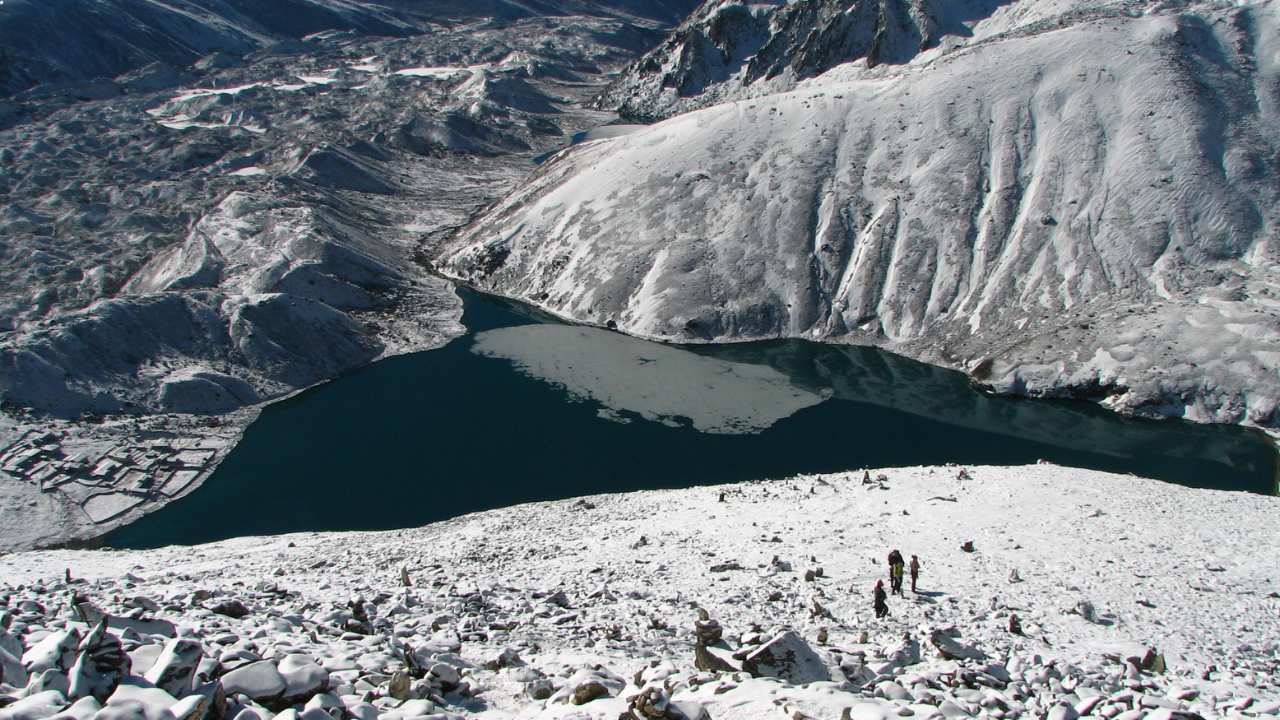
The first half of December generally provides a better opportunity to complete the trek before deeper winter conditions develop later in the month. Skies are often clear in the mornings, offering good visibility towards Cho Oyu, Everest, Lhotse, and Makalu. However, occasional snowfall, frost, and strong winds can affect the upper valley. At Gokyo, the lakes may develop extensive ice cover, while the rocky trail around Ngozumpa Glacier can become slippery after overnight freezing.
|
Location |
Approximate December Temperature |
|
Lukla (2,860m/ 9,383ft) |
Around 8°C to 12°C during the day; -3°C to 2°C at night |
|
Namche Bazaar (3,440m/ 11,286ft) |
Around 6°C to 10°C during the day; -4°C to 0°C at night |
|
Dole (4,038m/ 13,248ft) |
Around 3°C to 7°C during the day; -8°C to -4°C at night |
|
Machhermo (4,470m/ 14,665ft) |
Around 2°C to 6°C during the day; -10°C to -6°C at night |
|
Gokyo (4,800m/ 15,748ft) |
Around 0°C to 4°C during the day; -14°C to -10°C at night |
|
Gokyo Ri (5,357m/ 17,575ft) |
Often below freezing, particularly during early-morning summit climbs |
December is generally a dry month in the Everest region, which favors mountain visibility and reduces prolonged rain along the lower trail. However, dry weather does not mean snow-free conditions at 4,000 to 5,000 meters. Fresh snowfall and overnight frost can affect the Dole to Machhermo to Gokyo section, while the early-morning ascent of Gokyo Ri requires particular care because frozen ground and wind exposure make the climb more demanding.
Major Highlights of Gokyo Lakes Trek in December
December gives the Gokyo Lakes Trek a distinct winter character, combining high-altitude glacial scenery with quieter trails and crisp mountain mornings. The six Gokyo Lakes, situated between approximately 4,700m and 5,000m (15,420 to 16,404ft), become particularly striking against the surrounding snow-covered slopes, while clear weather can reveal an exceptional panorama of the Everest region. From walking beside the 36km-long Ngozumpa Glacier to reaching the 5,357 meters summit of Gokyo Ri, the Gokyo Lakes Trek in December offers several memorable experiences beyond the usual Everest Base Camp route.
-
See the Gokyo Lakes Surrounded by Winter Landscapes
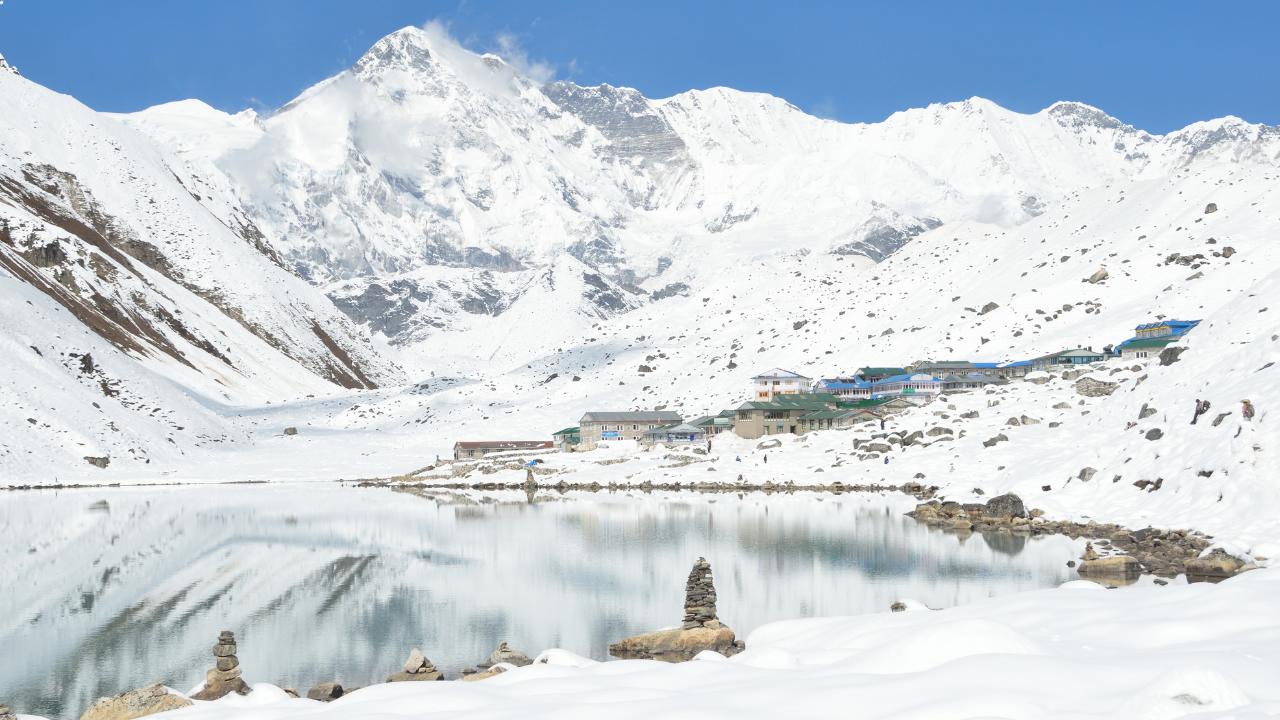
The six Gokyo Lakes are the defining attraction of this trek, and December changes their appearance considerably. Located across the upper Gokyo Valley at approximately 4,700 to 5,000 meters, these glacial lakes sit beneath towering Himalayan peaks and extensive rocky moraines. As winter progresses, ice can develop across their surfaces and along the shorelines, creating a striking contrast between turquoise water, white snow, and dark glacial terrain. Gokyo Village itself stands beside the third lake, Dudh Pokhari (4,800m/ 15,748ft), giving you direct access to one of the region's most recognizable landscapes.
-
Enjoy Panoramic Himalayan Views from Gokyo Ri
At 5,357 meters (17,575 feet), Gokyo Ri provides one of the finest mountain viewpoints in the Everest region. The approximately 1.5km ascent from Gokyo Village takes around 2 to 3 hours, gaining roughly 575 meters (1,886 feet) in elevation. From the summit, you can see Everest (8,848.86m), Lhotse (8,516m), Makalu (8,485m), and Cho Oyu (8,188m) rising above the surrounding glaciers and valleys. December's generally clear morning conditions can provide excellent long-distance visibility, although freezing temperatures and wind exposure make an early summit climb physically demanding.
-
Walk Alongside the Massive Ngozumpa Glacier
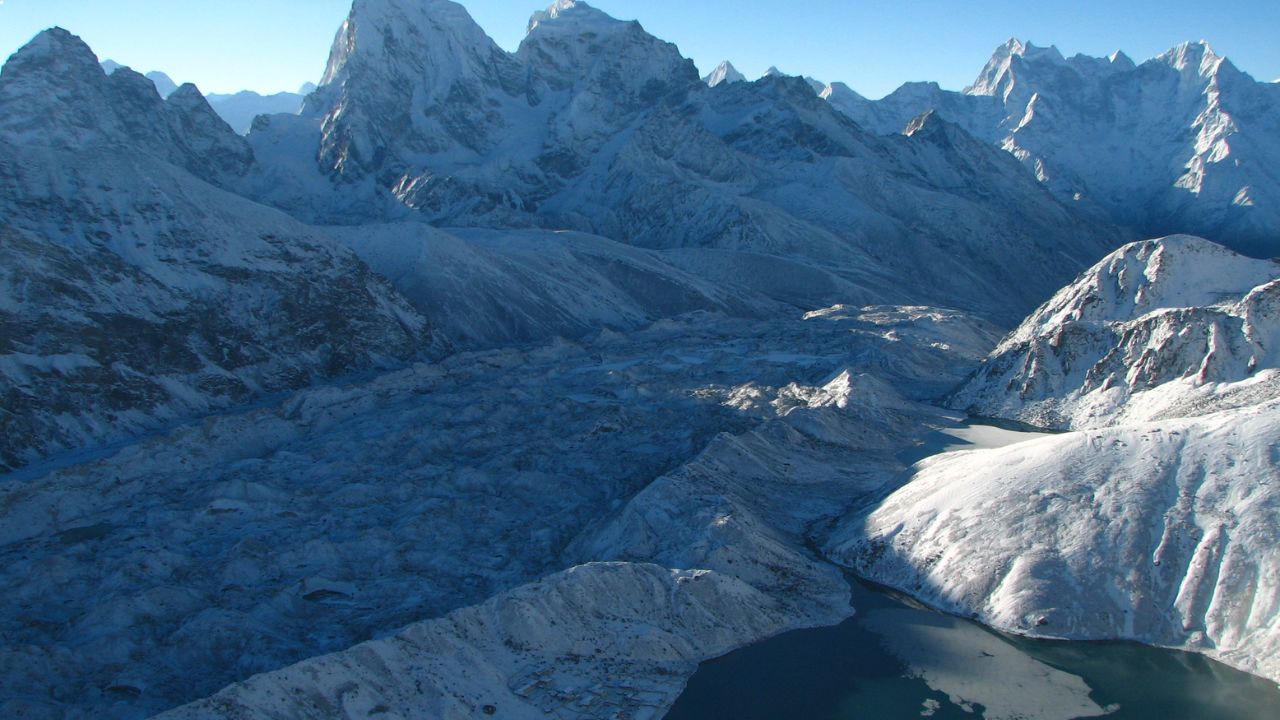
The route to Gokyo takes you alongside the Ngozumpa Glacier, Nepal's longest glacier, extending approximately 36 km (22 miles) through the Everest region. Its enormous field of ice, broken rock, and glacial deposits creates a dramatic contrast with the surrounding snow-covered peaks. As you approach Gokyo, you can observe the glacier's rugged moraine formations and the changing terrain shaped by glacial movement. December's colder conditions add a distinctly wintry appearance to this high-altitude landscape.
-
Experience a Quieter Alternative to Everest Base Camp
After Namche Bazaar (3,440m/ 11,286ft), the Gokyo route separates from the main Everest Base Camp Trek trail near Kyangjuma and follows a quieter western valley through Phortse Tenga, Dole, and Machhermo. December generally brings fewer trekkers than the busy autumn and spring seasons, giving you more opportunities to experience the upper Khumbu settlements without the same level of trail traffic. However, fewer trekkers also mean some teahouses may operate with reduced services or close for winter, so accommodation planning becomes important.
-
Discover Sherpa Culture and Sacred Himalayan Lakes
Beyond its glacial scenery, the Gokyo Valley offers an opportunity to experience the traditions of Sherpa communities living in the high Himalayas. Along the route, you encounter Buddhist prayer flags, mani walls, monasteries, and traditional stone settlements that reflect the region's cultural heritage. The Gokyo Lakes also hold religious significance for both Buddhists and Hindus. During Janai Purnima, pilgrims traditionally visit the sacred lakes, although the Gokyo Lakes Trek in December offers a much quieter atmosphere around these religious sites.
-
Enjoy Clear Winter Mornings and Mountain Photography
December's relatively dry conditions and reduced atmospheric moisture can create excellent opportunities for Himalayan photography. Early mornings are particularly rewarding when sunlight reaches Cho Oyu, Everest, and the surrounding ridgelines, while the mountain reflections on unfrozen sections of the lakes add another dimension to the landscape. Snow-covered slopes, frozen shorelines, and the dramatic contrast between the glacier and turquoise water give you a different photographic experience from the autumn trekking season. You should make the most of the morning visibility, as afternoon clouds and changing mountain weather can sometimes limit distant views.
-
Experience the High Himalayas Before Deeper Winter Conditions
December is a transition into the colder trekking season, making the timing of your departure important. The earlier weeks generally offer a better opportunity to complete the route before colder spells and heavier snowfall become more frequent later in winter. You can still experience the major attractions of the Gokyo Valley, including its lakes, glacier, and summit viewpoint, but with fewer people along the trail. For trekkers comfortable with sub-zero nights, high-altitude walking, and some winter uncertainty, December offers a rewarding alternative to the busier trekking months.
Is December Trek to Gokyo Lake Worth It?
Gokyo Lakes Trek in December is worth considering if you want to experience the Everest region during its quieter winter season, with clear mountain views, snow-covered landscapes, and fewer trekkers along the upper valley. The six glacial lakes, Ngozumpa Glacier, and the panoramic viewpoint of Gokyo Ri (5,357m/ 17,575ft) make the journey particularly rewarding. You also get a different perspective of the Khumbu region, following the quieter Gokyo Valley rather than continuing along the busy Everest Base Camp Trekking trail.
The biggest trade-off is the cold at higher elevations. Around Gokyo Village (4,800m/ 15,748ft), nighttime temperatures can fall to approximately -10°C to -17°C, while early-morning conditions on Gokyo Ri can be considerably colder. Snowfall, frozen trail sections, and reduced teahouse operations may affect your plans, particularly during the latter half of December. Early December generally offers more flexibility before deeper winter conditions become established, although snowfall and flight disruptions are possible throughout the month.
December is particularly suitable for experienced or well-prepared trekkers who enjoy cold-weather mountain adventures and do not mind adjusting their schedules around changing conditions. With proper acclimatization in Namche Bazaar (3,440m/ 11,286ft), suitable winter clothing, and a flexible itinerary, you can experience the Gokyo Lakes, the vast Ngozumpa Glacier, and some of the finest mountain panoramas in the Everest region without the heavier autumn trekking crowds.
Gokyo Lakes Trek Difficulty in December
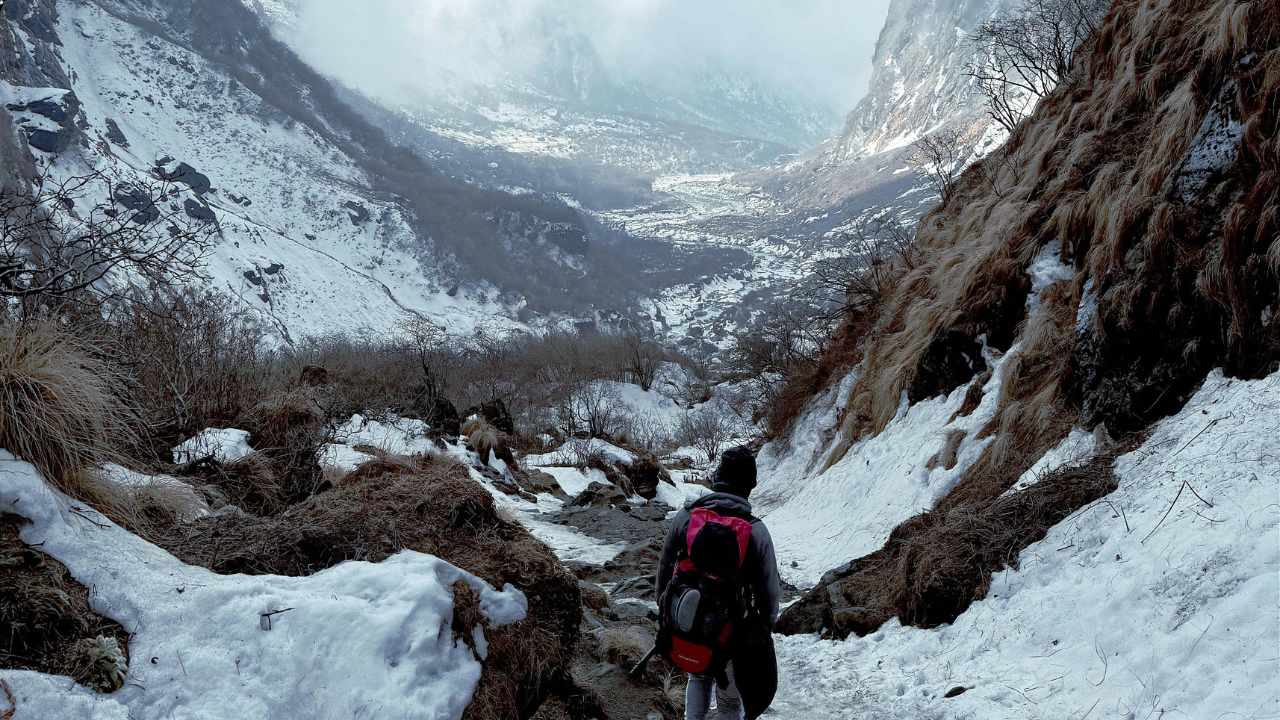
The Gokyo Lakes Trek is a moderately challenging to strenuous high-altitude journey, with December adding extra difficulty through freezing temperatures, possible snowfall, and icy trail sections. You walk approximately 4 to 7 hours daily, ascending from Lukla (2,860m/ 9,383ft) to Gokyo Village (4,800m/ 15,748ft), with an additional climb to Gokyo Ri (5,357m/ 17,575ft). The main difficulty aspects to consider are:
-
High Altitude and Reduced Oxygen: The route climbs above 4,000 meters after Namche Bazaar, with overnight stays at Machhermo (4,470m/14,665ft) and Gokyo (4,800m/ 15,748ft). Reduced oxygen availability increases physical exhaustion and the risk of altitude sickness. A proper acclimatization schedule and gradual ascent are essential.
-
Steep Ascents and Daily Walking Endurance: The climb through Dole and Machhermo involves sustained uphill walking over rocky mountain paths. The Gokyo Ri excursion is particularly demanding, gaining approximately 575 meters (1,886 feet) from Gokyo Village to reach 5,357 meters. Good cardiovascular fitness and preparation for consecutive walking days will help.
-
Freezing Temperatures and Cold Exposure: Nighttime temperatures around Gokyo can drop to approximately -10°C to -17°C in December. Cold mornings, wind exposure, and limited sunshine in shaded sections can make walking uncomfortable, especially during early departures.
-
Snowfall and Icy Trail Conditions: Overnight frost and occasional snowfall can leave rocky paths, narrow trails, and sections around Ngozumpa Glacier slippery. The Gokyo Ri ascent may require additional caution, with trekking poles, insulated boots, and suitable traction equipment useful in winter conditions.
-
Shorter Daylight and Weather Flexibility: December has fewer daylight hours than the autumn trekking season. You need to manage walking schedules carefully, particularly on longer sections, while allowing flexibility for snowfall, changing visibility, and possible Lukla flight delays.
With reasonable fitness, proper acclimatization in Namche Bazaar (3,440m/ 11,286ft), and suitable winter equipment, you can complete the Gokyo Lakes Trek in December without technical climbing experience. However, the combination of high altitude and winter trail conditions makes a knowledgeable guide and a flexible itinerary particularly valuable.
Training and Preparation for Your December Trek
Preparing for the Gokyo Lakes Trek in December requires good physical endurance, leg strength, and an understanding of high-altitude trekking. You will gradually climb from Lukla (2,860m/ 9,383ft) to Gokyo (4,800m/ 15,748ft), with an additional ascent to Gokyo Ri (5,357m/ 17,575ft). Start preparing around 6 to 8 weeks before departure, focusing on the following areas:
-
Cardiovascular Endurance: Practice brisk walking, jogging, cycling, or swimming 3 to 4 times weekly for 45 to 60 minutes. Include longer hikes of 4 to 6 hours to build stamina for consecutive trekking days.
-
Leg and Core Strength: Include squats, lunges, step-ups, calf raises, and planks in your routine. These exercises improve stability and endurance for sustained climbs and steep descents.
-
Uphill Hiking Practice: Train on uneven trails and hills rather than relying entirely on gym workouts. Gradually increase your walking distance and elevation gain while carrying a light daypack.
-
Altitude Awareness: Understand the symptoms of acute mountain sickness (AMS), including headaches, nausea, dizziness, and unusual fatigue. Physical training does not prevent altitude sickness, so follow the gradual ascent and acclimatization schedule.
-
Cold-Weather Preparation: Practice walking in cold conditions and learn to manage clothing layers without overheating. December mornings around Machhermo and Gokyo can be particularly cold.
-
Travel and Schedule Planning: Allow flexibility for possible Lukla flight disruptions, confirm winter accommodation availability, and ensure your travel insurance covers trekking above 5,000m and emergency helicopter evacuation.
**Preparation Target: Before departure, aim to complete a 5 to 6-hour uphill hike comfortably with a light backpack. This gives you a practical endurance benchmark for the Gokyo Valley, although proper acclimatization during the trek remains essential**
Packing for December Gokyo Lake Trekking Nepal
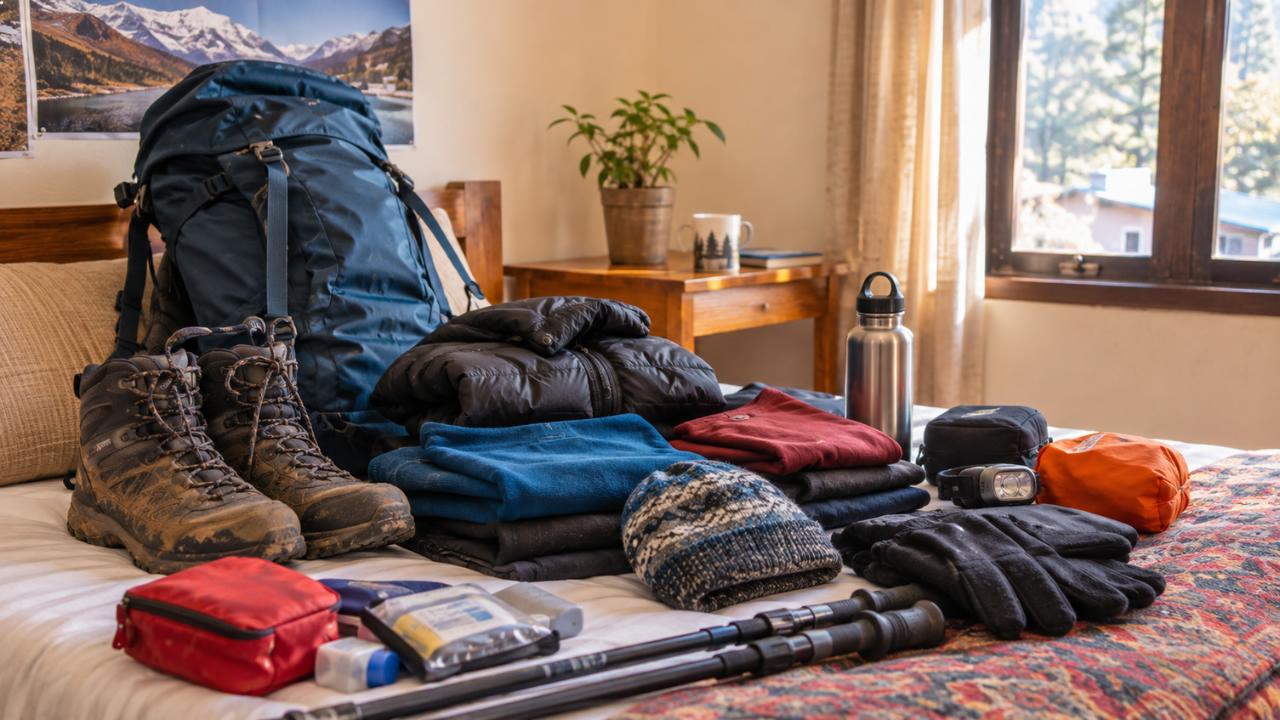
Packing for the Gokyo Lakes Trek in December requires particular attention to insulation, footwear, and protection against freezing temperatures at higher elevations. You will encounter relatively mild afternoons around Lukla and Namche Bazaar, but conditions become much colder around Machhermo (4,470m/ 14,665ft) and Gokyo (4,800m/ 15,748ft), where nighttime temperatures can fall below -10°C. A practical layering system, warm sleeping arrangements, and reliable footwear are essential for managing the winter trail without carrying unnecessary weight.
Clothing and Thermal Layers
-
Moisture-wicking thermal base layers (top and bottom)
-
Quick-drying trekking shirts and trousers
-
Warm fleece or insulated mid-layer
-
Down or synthetic insulated jacket
-
Waterproof and windproof outer jacket and trousers
-
Thermal leggings for cold mornings and evenings
-
Warm trekking socks and spare pairs
-
Insulated gloves and lightweight liner gloves
-
Woolen beanie, neck gaiter, and warm hat
-
Comfortable evening clothes for teahouse stays
Footwear and Trekking Equipment
-
Broken-in, insulated or winter-appropriate trekking boots with good grip
-
Trekking poles for uneven and potentially icy trails
-
Microspikes or suitable traction aids if icy conditions are expected
-
Gaiters for snow-covered sections
-
Lightweight camp shoes or sandals
-
Headlamp with spare batteries
Backpack and Sleeping Equipment
-
25 to 35L daypack if using a porter
-
Duffel bag for porter-carried luggage
-
Waterproof backpack cover and dry bags
-
Sleeping bag rated for approximately -15°C to -20°C comfort conditions
-
Sleeping bag liner for additional insulation
Sun and Cold Protection
-
UV-protection sunglasses
-
Sunscreen (SPF 30 to 50) and SPF lip balm
-
Moisturizer for dry, cold conditions
-
Reusable water bottles or insulated flask
-
Water purification tablets, drops, or filter
-
Hand warmers for particularly cold mornings, if needed
Personal Hygiene and First Aid
-
Personal medications and basic first-aid kit
-
Blister plasters and basic wound-care supplies
-
Hand sanitizer, wet wipes, and tissues
-
Quick-drying towel and travel-sized toiletries
-
Toilet paper and small waste bags
Documents, Money, and Electronics
-
Passport and required trekking permits
-
Travel insurance covering high-altitude trekking and helicopter evacuation
-
Nepali cash for snacks, charging, and hot showers
-
Mobile phone, charging cables, and power bank
-
Camera with spare batteries
-
Offline maps and downloaded trekking information
Food and Useful Extras
-
Energy bars, nuts, and trail mix
-
Electrolyte sachets
-
Earplugs for shared teahouse accommodation
-
Small personal lock
-
Lightweight dry bags for protecting electronics and spare clothes
**Note: Eco Holidays Nepal provides a sleeping bag, down jacket, and duffel bag for the trek, to be returned after completing your journey. Confirm their insulation suitability for December conditions, particularly for overnight stays around Machhermo and Gokyo, and bring additional thermal layers as necessary**
Helpful Tips for Your Gokyo Lakes Trek in December
December brings cold mornings, freezing nights, and shorter walking days to the Gokyo Valley. Conditions can change considerably between Namche Bazaar (3,440m), Machhermo (4,470m), and Gokyo (4,800m), so your preparation should account for the colder upper trail rather than focusing only on the weather in Lukla. Keep these practical points in mind as you plan and complete the trek.
-
Plan Your Departure Around Winter Conditions: Early December usually offers more flexibility before deeper winter conditions become established, although snowfall and freezing temperatures are possible throughout the month. Later December can bring colder nights and a greater chance of snow or icy sections. Choose your dates with enough flexibility to accommodate changing conditions rather than relying on a fixed weather expectation.
-
Allow Enough Time for the Machhermo to Gokyo Section: The trail beyond Machhermo climbs through exposed alpine terrain and rocky sections towards the Gokyo Valley. Cold temperatures, snow, or icy patches can slow your progress, particularly in shaded areas. Start early, maintain a steady pace, and avoid rushing to reach Gokyo before dark.
-
Assess Trail Conditions Before Attempting Gokyo Ri: The ascent to Gokyo Ri (5,357m) is demanding even in good weather, and December frost or fresh snowfall can make the upper path slippery. Check visibility, wind, and underfoot conditions with your guide before setting out. If the summit route is icy or visibility is poor, postponing the climb is safer than forcing the ascent for sunrise.
-
Protect Your Water and Keep Drinking Regularly: Water bottles and hydration systems can freeze overnight or during early-morning walks at higher elevations. Use an insulated bottle or cover, keep water inside your daypack when possible, and refill at teahouses. Continue drinking throughout the day, even when cold weather reduces your feeling of thirst.
-
Manage Your Walking Hours Around Short Daylight: December has some of the shortest days of the year in Nepal. Begin each trekking stage early enough to reach your next lodge before dusk, allowing extra time for snow, ice, and rest stops. Carry a headlamp in case you arrive later than expected, but do not use it as a reason to plan unnecessarily long walking days.
-
Prepare for Strong Sunlight as Well as Freezing Air: Clear winter skies and reflection from snow can expose your skin and eyes to strong UV radiation. Wear UV-protective sunglasses, apply SPF 30 to 50 sunscreen, and use lip balm with sun protection. Keep these items accessible in your daypack rather than packed away in your main luggage.
-
Keep Your Electronics and Spare Batteries Warm: Cold temperatures can reduce battery performance, particularly when you use your phone, camera, or headlamp for extended periods. Carry spare batteries in an inside pocket, use a power bank when needed, and avoid leaving electronics exposed overnight. Download offline maps and keep important travel details accessible without relying on mobile coverage.
-
Build Flexibility Into Your Lukla Flight Schedule: Winter weather can affect flights between Kathmandu and Lukla, sometimes causing delays or cancellations. Keep at least one buffer day in your overall travel plan if possible, especially when you have an international flight to catch after the trek. Avoid arranging a tight same-day connection between your return flight from Lukla and your departure from Nepal.