

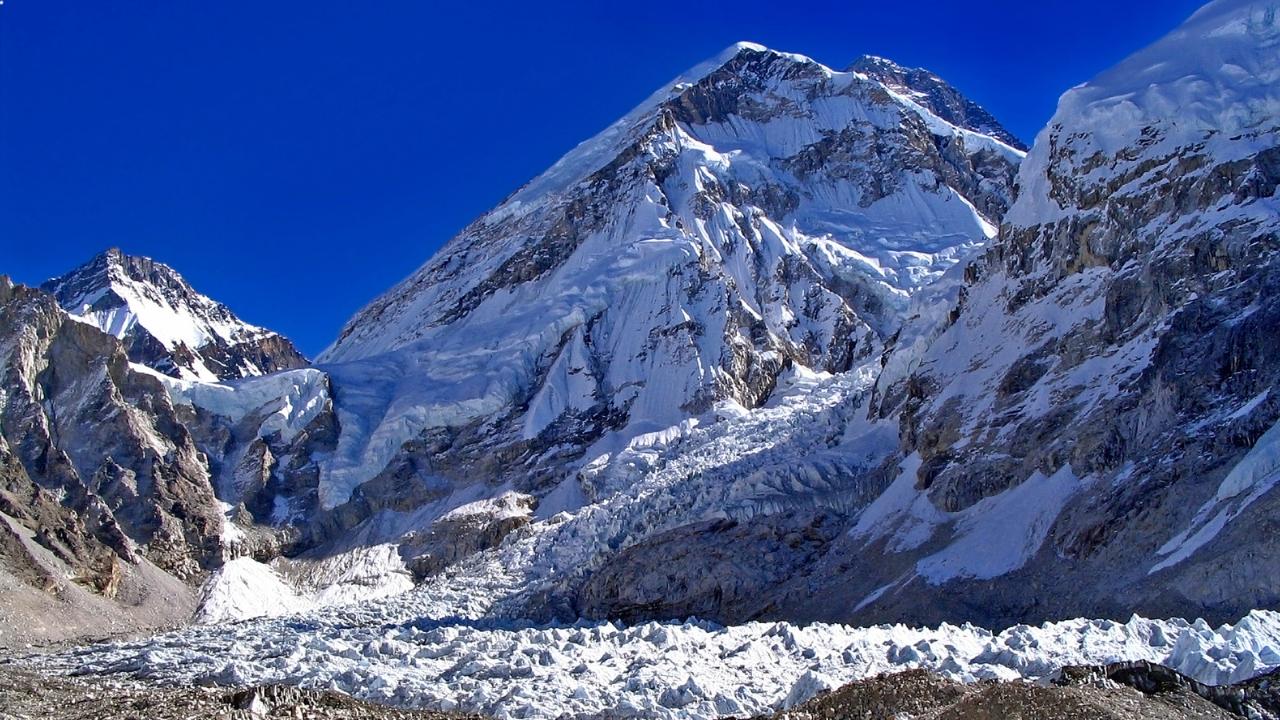
January brings a completely different character to the Everest Base Camp Trek. Deep into the Himalayan winter, the Khumbu Valley becomes quieter, the surrounding peaks remain covered in fresh snow, and the crisp mountain air often creates exceptionally clear views of the world's highest mountain range. With fewer trekkers on the trail than during the busy spring and autumn seasons, doing the Everest Base Camp Trek in January, you get to experience the traditional Sherpa settlements, frozen alpine landscapes, and dramatic glacial valleys in a much more peaceful setting.
Reaching Everest Base Camp (5,364m/ 17,598ft) in January is a demanding high-altitude adventure that requires proper winter preparation. Temperatures can drop well below freezing, particularly above Dingboche (4,410m/ 14,468ft), while nighttime conditions at Gorakshep (5,164m/ 16,942ft) can become extremely cold. Snowfall, icy paths, frozen streams, and strong winds can also affect walking conditions. However, when the weather remains stable, the reward is extraordinary: unobstructed views of Everest, Lhotse, Nuptse, Pumori, Ama Dablam, and other surrounding peaks against brilliant winter skies.
The standard Everest Base Camp Trek route takes you through the iconic mountain settlements of Phakding, Namche Bazaar, Tengboche, Dingboche, and Lobuche, before reaching the legendary Everest Base Camp. The journey also includes an ascent of Kala Patthar (5,550m/ 18,208ft), one of the finest viewpoints for observing Everest and the surrounding Himalayan giants. With approximately 130 km (81 miles) of trekking on a standard 12-day itinerary, you need sufficient endurance, gradual altitude adaptation, and reliable cold-weather equipment.
January is not the easiest month to undertake this adventure, but it offers a rewarding experience for trekkers who value solitude, dramatic winter scenery, and clear mountain panoramas over comfortable temperatures and busy trekking trails. With a carefully planned itinerary, suitable acclimatization, warm accommodation arrangements, and an experienced trekking guide, you can experience Everest Base Camp at one of its quietest and most atmospheric times of the year.
Everest Base Camp Trek in January– Package Overview
The Everest Base Camp Trek in January offers a winter journey through the heart of the Khumbu region, where the lower mountain valleys gradually give way to snow-covered alpine terrain and glacial landscapes. You begin with a flight from Kathmandu to Lukla (2,860m/ 9,383ft) and follow the Dudh Koshi River through Phakding before climbing towards Namche Bazaar (3,440m/ 11,286ft). Beyond Namche, the trail passes through Tengboche, Dingboche, and Lobuche before reaching Everest Base Camp (5,364m/ 17,598ft), with an additional early-morning climb to Kala Patthar (5,550m/ 18,208ft).
Unlike the busier trekking seasons, January offers a quieter experience across the traditional Sherpa villages and high mountain trails. The winter landscape is particularly striking around the Khumbu Glacier, the upper Imja Valley, and the open viewpoints above Dingboche. However, cold temperatures become increasingly significant as you gain elevation. Snow and ice can affect exposed sections of the trail, while shorter daylight hours require sensible daily walking schedules and careful planning.
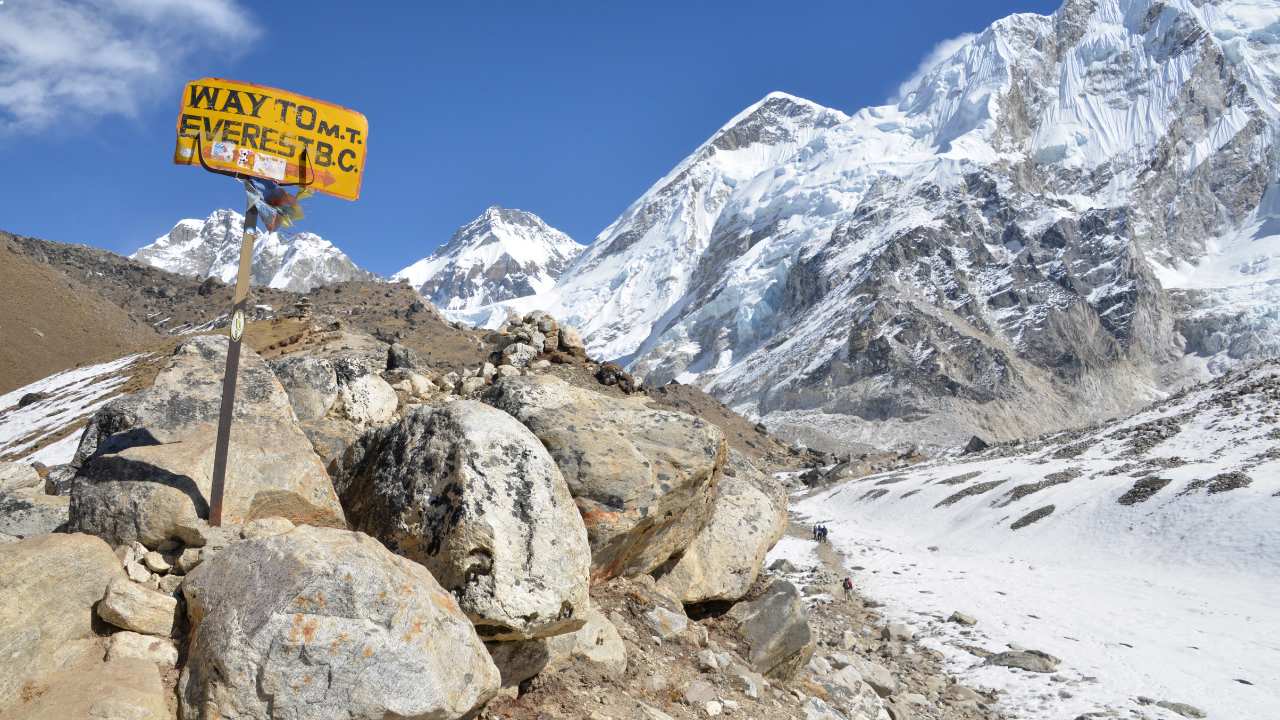
January Trek Package Details
|
Trek Detail |
January Overview |
|
Duration |
12 days, including arrival, departure, domestic flights, acclimatization, and trekking |
|
Starting Point |
|
|
Trek Difficulty |
Moderate to challenging, with sustained uphill walking, high-altitude exposure, and winter trail conditions |
|
Highest Point |
Kala Patthar (5,550m/ 18,208ft) |
|
Typical Walking Time |
Approximately 4 to 9 hours daily, depending on the trekking section |
|
Main Route |
Kathmandu → Lukla → Phakding → Namche Bazaar → Tengboche → Dingboche → Lobuche → Gorakshep → Everest Base Camp → Kala Patthar → Pheriche → Namche → Lukla |
|
Acclimatization |
Two dedicated acclimatization days at Namche Bazaar (3,440m/ 11,286ft) and Dingboche (4,410m/ 14,468ft) |
|
Landscape |
Snow-covered Himalayan peaks, frozen streams, alpine valleys, glacial moraines, and rugged mountain terrain |
|
Cultural Experience |
Traditional Sherpa settlements, Tengboche Monastery, Buddhist stupas, mani walls, and mountain teahouses |
|
Major Attractions |
Everest Base Camp, Kala Patthar, Khumbu Glacier, Khumbu Icefall, Namche Bazaar, and panoramic Himalayan viewpoints |
|
January Conditions |
Freezing nights, cold daytime temperatures, possible snowfall, icy trail sections, clear morning skies during stable weather, and shorter daylight hours |
The upper section from Dingboche to Gorakshep deserves particular attention in January. You will walk above 4,400 meters through increasingly exposed terrain, with the route crossing the rocky glacial landscape around Thukla Pass and the Khumbu Glacier. The final approach to Everest Base Camp involves approximately 11.5 km (7.15 miles) of trekking from Lobuche to Gorakshep, onward to Base Camp, and back to Gorakshep, generally taking 8 to 9 hours. The following morning, the ascent to Kala Patthar adds another high-altitude challenge before you descend towards Pheriche.
Winter conditions also make flight planning important during your Everest Base Camp Trek in January. Lukla flights are weather-dependent throughout the year, and poor visibility or strong winds can cause delays or cancellations. Allowing some flexibility around your return flight is therefore sensible when planning a January departure.
Everest Base Camp Weather Conditions in January
January places the Everest region in its deepest winter period. At this time of year, the difference between sun-exposed slopes and shaded mountain valleys becomes particularly noticeable. You may walk comfortably in direct sunlight around Namche Bazaar, yet encounter frozen ground and biting cold just a few hours later as the trail climbs towards Tengboche and Dingboche. The higher settlements receive less warmth, and the surrounding peaks cast long shadows across the valleys, allowing frost and ice to persist throughout much of the day.
One of the defining characteristics of the Everest Base Camp Trek in January is the combination of dry mountain air and intense daytime sunshine. On clear days, the Himalayan skyline appears remarkably sharp, with long-distance views extending across the Everest massif. However, the apparent warmth of the afternoon can be misleading. Once the sun drops, temperatures fall rapidly, and exposed locations such as Lobuche and Gorakshep become particularly harsh. Wind exposure around the Khumbu Glacier and Kala Patthar can make outdoor activity uncomfortable even when the recorded air temperature does not appear exceptionally low.
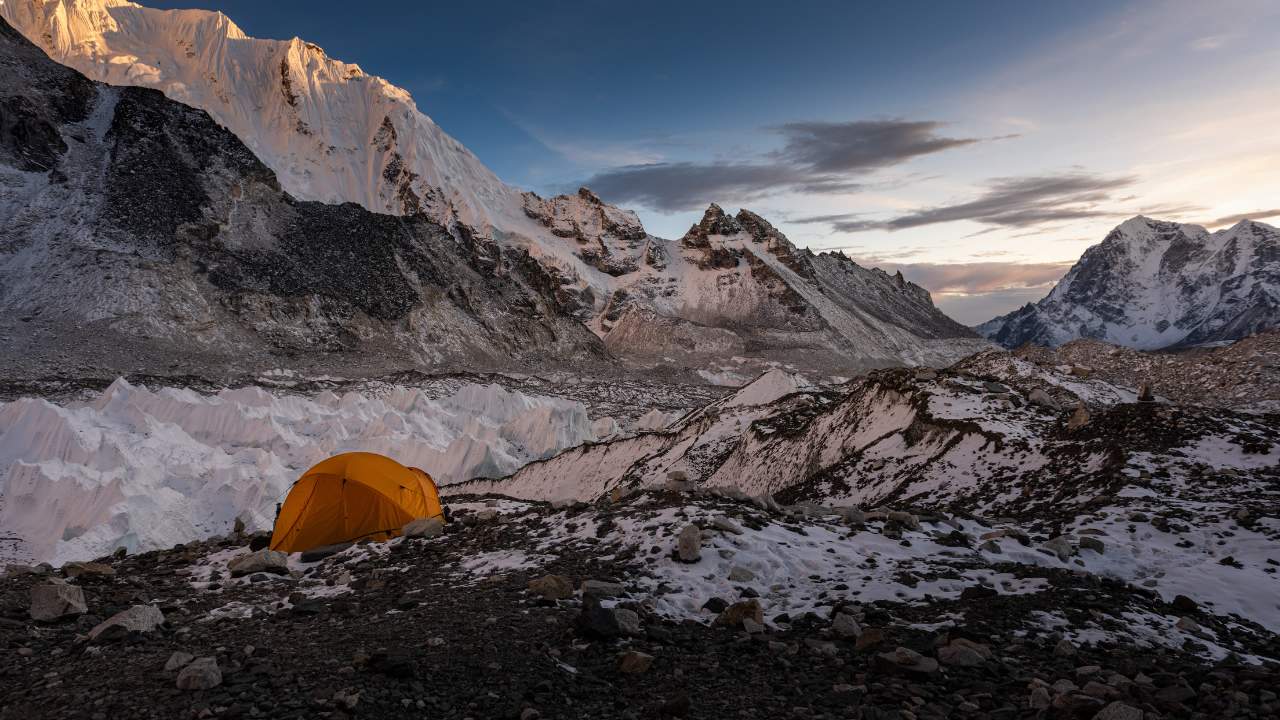
Average Temperature Along the Everest Base Camp Trail in January
|
Location |
Approximate January Temperature |
|
Lukla (2,860m/ 9,383ft) |
Around 5°C to 8°C during the day; -3°C to -5°C at night |
|
Namche Bazaar (3,440m/ 11,286ft) |
Around 3°C to 5°C during the day; -5°C to -9°C at night |
|
Tengboche (3,867m/ 12,687ft) |
Around 2°C to 4°C during the day; -9°C to -12°C at night |
|
Dingboche (4,410m/ 14,468ft) |
Around -3°C to 0°C during the day; -12°C to -15°C at night |
|
Lobuche (4,910m/ 16,108ft) |
Around -5°C to -2°C during the day; -15°C to -19°C at night |
|
Gorakshep (5,164m/ 16,942ft) |
Around -9°C to -5°C during the day; -17°C to -20°C at night |
|
Kala Patthar (5,550m/ 18,208ft) |
Often below -10°C during early-morning climbs, with considerably colder wind-chill conditions |
These are approximate planning estimates rather than guaranteed daily readings. Actual temperatures vary with weather systems, wind exposure, sunshine, and local terrain.
January precipitation is generally low compared with the summer monsoon, but the absence of regular rainfall does not guarantee uninterrupted trekking conditions. An occasional winter weather system can bring fresh snow to the upper Khumbu, affecting trails around Thukla, Lobuche, and Gorakshep. Even without new snowfall, repeated freezing and thawing can leave sections of the trail slippery. The early-morning climb to Kala Patthar deserves particular attention because you begin before sunrise, when the ground is frozen, and wind exposure is considerable.
Main Highlights of Everest Base Camp Trek in January
January gives the Everest Base Camp Trek a different character from the crowded autumn and spring seasons. The upper Khumbu becomes a landscape of frozen streams, snow-covered ridges, exposed glaciers, and quiet mountain settlements. Beyond reaching Everest Base Camp, you experience the winter atmosphere of the Sherpa villages, exceptional mountain visibility during stable weather, and the challenge of walking above 5,000 meters in sub-zero temperatures. Here are the experiences that make January particularly distinctive.
-
Reach Everest Base Camp in the Middle of Himalayan Winter
Reaching Everest Base Camp (5,364m/ 17,598ft) in January gives you an opportunity to experience the Khumbu Glacier without the seasonal crowds and expedition activity of spring. The final approach from Gorakshep (5,164m/ 16,942ft) crosses uneven glacial moraine, where snow, frozen ground, and icy patches can make walking more demanding. The surrounding mountain landscape includes Nuptse (7,861m), Pumori (7,161m), Khumbutse (6,636m), Lingtren (6,749m), and Changtse (7,543m). Although Everest (8,848.86m) dominates the region, its summit is not directly visible from the base camp because of intervening ridgelines. January generally brings a quieter, more exposed glacial setting, as the main Everest climbing expeditions have not yet established their spring camps.
-
Watch the First Sunlight Reach Everest from Kala Patthar
At 5,550 meters (18,208 feet), Kala Patthar is the highest point on the standard Everest Base Camp itinerary and offers one of the region's finest close-up views of Everest. The ascent from Gorakshep takes approximately 2 to 3 hours, covering around 2 km uphill, depending on the route and conditions. From the summit, you can identify Everest (8,848.86m), Lhotse (8,516m), Nuptse (7,861m), Pumori (7,161m), Changtse (7,543m), Lingtren (6,749m), Khumbutse (6,636m), Ama Dablam (6,812m), and Lobuche East (6,119m). January's dry winter atmosphere can produce excellent visibility, particularly around sunrise when golden light reaches the Himalayan summits. However, the pre-dawn climb requires careful preparation for freezing temperatures, wind exposure, and potentially icy trail sections.
-
Observe the Khumbu Glacier and Its Frozen Winter Landscape
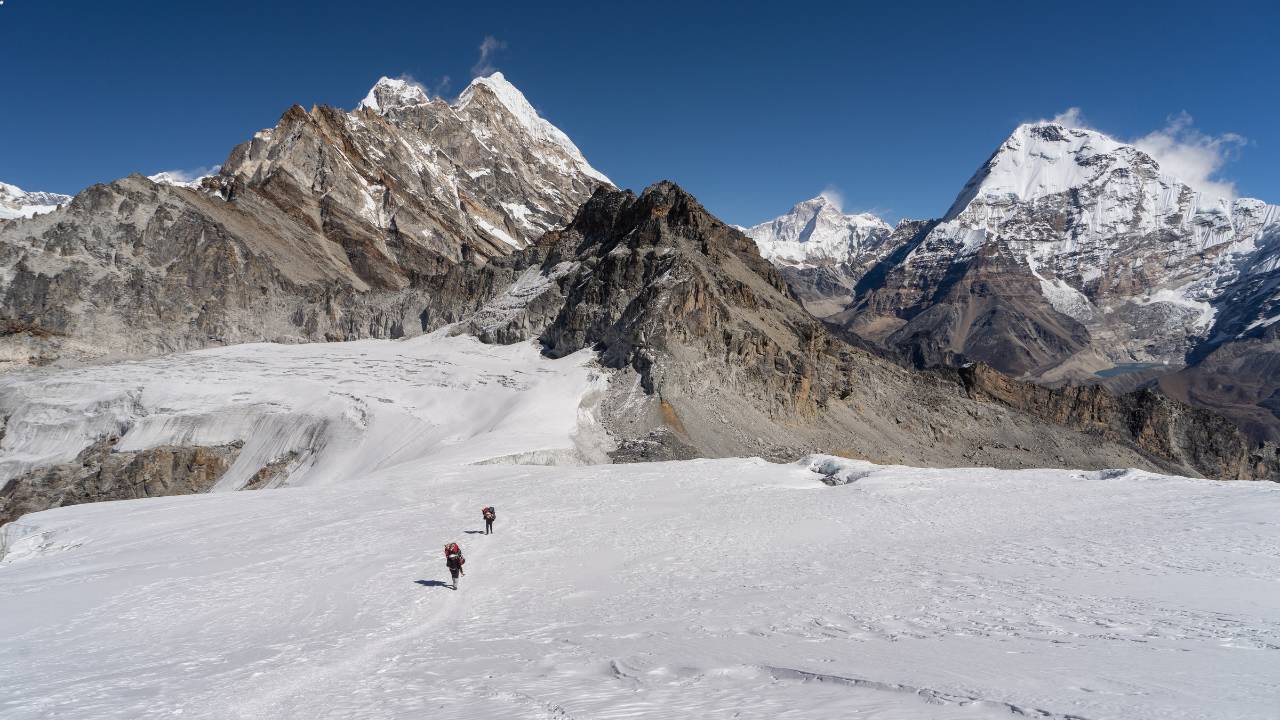
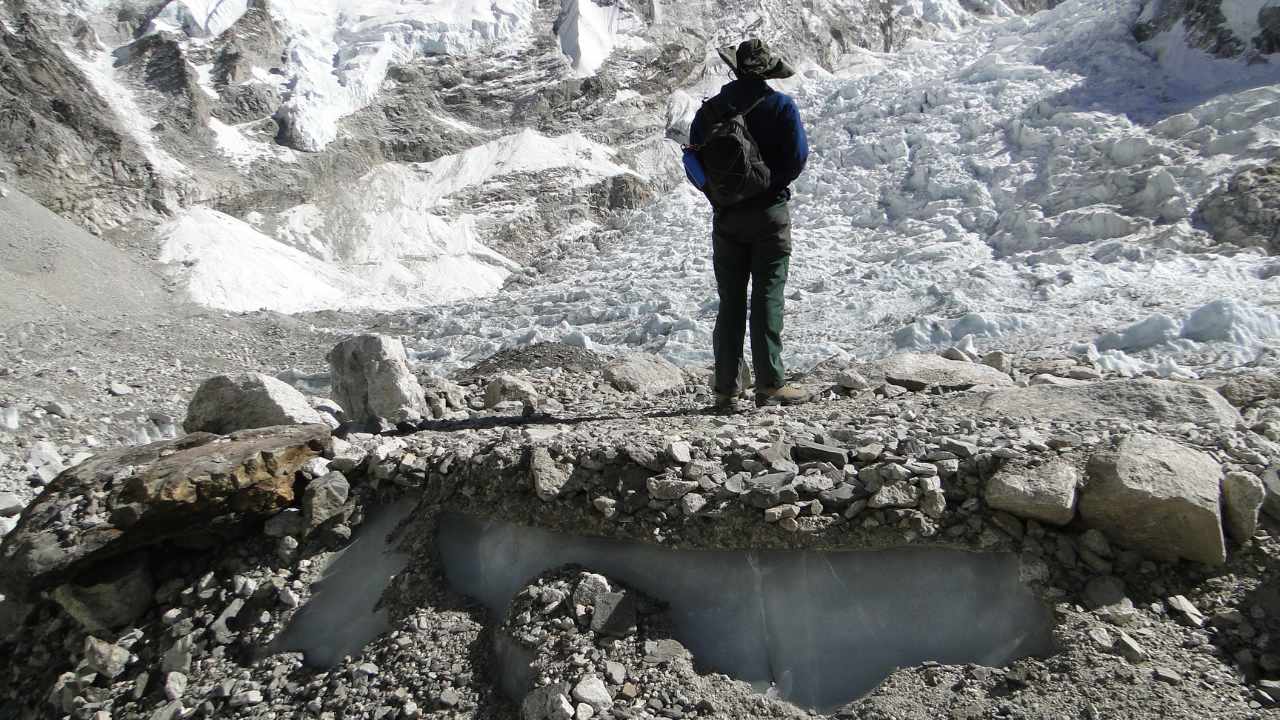
The Khumbu Glacier, extending approximately 17 km through the Everest region, is one of the most remarkable geographical features along the trek. Its upper section forms the famous Khumbu Icefall, where enormous ice formations, crevasses, and constantly shifting glacier blocks create a dramatic landscape. From Lobuche (4,910m/ 16,108ft) towards Gorakshep, you walk through extensive glacial moraine surrounded by Pumori, Nuptse, Lingtren, and Khumbutse. January adds a distinctly wintry appearance to this terrain, with snow covering exposed rocks and frost developing across the glacier margins. You can observe the contrast between the white snow, dark moraine deposits, and rugged ice formations. Snowfall can also conceal uneven ground, so remaining on the established trekking path is particularly important.
-
Experience the Quiet Winter Atmosphere of Sherpa Villages
January offers a different opportunity to experience the settlements of the Khumbu without the heavy trekking traffic of October, November, and April. Namche Bazaar (3,440m/ 11,286ft), Tengboche (3,867m/ 12,687ft), Pangboche (3,900m/ 12,795ft), and Dingboche (4,410m/ 14,468ft) each have their own character, from Namche's trading centre to the traditional stone houses and agricultural fields of the upper valley. Winter brings snow-dusted rooftops, frozen water sources, and quieter village paths, particularly beyond Dingboche. Some teahouses at higher elevations may close or reduce their services during January, so arranging accommodation and confirming available facilities before departure becomes an important part of winter trekking.
-
Discover Tengboche Monastery and Its Winter Mountain Setting
Situated at approximately 3,867 meters, Tengboche Monastery is one of the most significant Buddhist landmarks in the Everest region. Established in 1916, the monastery is an important spiritual centre for Sherpa communities and offers insight into the Buddhist traditions that shape life throughout the Khumbu. Its prayer halls, religious paintings, prayer wheels, and surrounding chortens provide a cultural experience beyond the mountain scenery. January generally brings a peaceful atmosphere to the monastery grounds, with fewer visitors than during the main trekking seasons. From Tengboche, you can also appreciate the surrounding Himalayan skyline, including Ama Dablam (6,812m), Thamserku (6,623m), Kangtega (6,782m), Everest, Nuptse, and Lhotse. Snow-covered slopes and clear winter mornings can make the monastery's mountain setting particularly striking.
-
Capture Clear Winter Views Across the Everest Mountain Range
January's relatively dry weather can create excellent conditions for observing and photographing the Himalayan mountain range. During stable weather, low atmospheric moisture and clear morning skies allow distant peaks to appear sharply defined. Depending on your viewpoint, you can see Everest (8,848.86m), Lhotse (8,516m), Makalu (8,485m), Cho Oyu (8,188m), Nuptse (7,861m), Pumori (7,161m), Ama Dablam (6,812m), Thamserku (6,623m), and Island Peak (6,189m). The viewpoints around Namche, Tengboche, Dingboche, and Kala Patthar provide different perspectives of the mountain range. Snow-covered ridgelines and the changing golden light around sunrise also create excellent photographic opportunities. For the best results, plan your photography around the morning hours, when visibility is often more reliable.
-
Explore the Winter Ecology of Sagarmatha National Park
The Everest Base Camp route passes through the diverse ecological zones of Sagarmatha National Park, a UNESCO World Heritage Site covering approximately 1,148 square kilometers. As you climb from Lukla and Phakding towards Namche Bazaar, the trail passes through pine, birch, hemlock, and rhododendron forests. Beyond Tengboche, vegetation becomes increasingly sparse, giving way to juniper shrubs, alpine grasslands, exposed rock, and snow-covered mountain slopes. The park also provides habitat for Himalayan wildlife such as snow leopards, musk deer, Himalayan tahr, and red pandas. January makes the transition between these ecological zones particularly noticeable, as frost and snowfall change the appearance of the upper landscape. Although wildlife sightings are uncommon, the winter environment offers a valuable perspective on how life adapts to the extreme elevation and climate of the Himalayas.
Everest Base Camp Trek Difficulty in Winter Season Core– January
The Everest Base Camp Trek in January is a challenging high-altitude adventure, with winter conditions adding another layer of physical and logistical difficulty. You cover approximately 130 km (81 miles) of trekking over a 12-day itinerary, gradually climbing from Lukla (2,860m/ 9,383ft) to Everest Base Camp (5,364m/ 17,598ft) and Kala Patthar (5,550m/ 18,208ft). Daily walks generally take 4 to 8 hours, with longer sections around Gorakshep and the Kala Patthar ascent. The main challenges to consider are:
-
High Altitude and Reduced Oxygen Availability: Much of the upper route lies above 4,000 meters, with overnight stays at Dingboche (4,410m), Lobuche (4,910m), and Gorakshep (5,164m). At these elevations, reduced oxygen availability increases fatigue and the risk of acute mountain sickness (AMS). Gradual ascent, planned acclimatization days, and monitoring altitude-related symptoms are essential.
-
Winter Temperatures and Cold Exposure: January brings some of the coldest conditions of the trekking year. Nighttime temperatures can fall to approximately -12°C to -20°C around Dingboche, Lobuche, and Gorakshep, while early-morning temperatures at Kala Patthar can be even harsher with wind chill. Cold hands and feet, reduced comfort during rest stops, and difficulty maintaining body warmth can make consecutive trekking days more demanding.
-
Snowfall, Ice, and Difficult Trail Surfaces: Although January is generally dry, occasional snowfall and overnight freezing can affect trails above Dingboche. The rocky approach to Gorakshep, glacial moraine around Everest Base Camp, and exposed Kala Patthar ascent may have icy or snow-covered sections. Insulated trekking boots, trekking poles, and suitable traction equipment can help when conditions require them.
-
Sustained Ascents and High-Altitude Walking: The route involves repeated climbs and descents through steep stone steps, rocky slopes, and uneven mountain paths. The climb from Namche Bazaar towards Tengboche and the ascent from Thukla towards Lobuche require steady endurance. The Kala Patthar climb adds approximately 386 meters (1,266 feet) of elevation gain from Gorakshep, making it one of the most physically demanding sections.
-
Short Daylight Hours and Weather-Related Delays: January offers fewer daylight hours than the main autumn trekking season, leaving less flexibility for long walking days. Snowfall, strong winds, and poor visibility can also affect trail conditions and Lukla flight operations. Starting early, maintaining realistic walking schedules, and allowing flexibility for return flights are important winter considerations.
With reasonable cardiovascular fitness, previous experience with multi-day hiking, proper acclimatization, and suitable winter equipment, you can complete the Everest Base Camp Trek in January without technical mountaineering skills. However, the combination of elevations above 5,000 meters, freezing overnight temperatures, and potentially icy trails makes an experienced trekking guide, appropriate winter clothing, and a flexible itinerary particularly valuable.
Necessary Training and Preparation
The January Everest Base Camp Trek places greater demands on your endurance and winter readiness than a typical lower-altitude hike. You will spend several consecutive days walking at elevations above 3,000 meters, with the route eventually climbing beyond 5,000 meters to Gorakshep, Everest Base Camp, and Kala Patthar. Prepare for at least 6 to 8 weeks before departure, giving particular attention to sustained uphill walking, recovery between hiking days, and handling cold-weather conditions.
-
Build Endurance for Consecutive Trekking Days: Walk briskly, jog, cycle, or swim for 40 to 60 minutes, around 3 to 4 times per week. Gradually add longer hikes of 4 to 6 hours so your body becomes accustomed to spending extended periods on your feet.
-
Strengthen Your Legs for Steep Mountain Trails: Include step-ups, squats, lunges, calf raises, and controlled step-downs in your weekly routine. These exercises prepare your legs for the stone staircases around Namche Bazaar, sustained climbs towards Tengboche, and uneven descents on the return route.
-
Practice Hiking with a Daypack: Take regular walks on hills, forest trails, and uneven terrain while carrying the daypack you intend to use during the trek. Increase the load gradually, ideally to around 5 to 7 kg, so you can manage water, spare clothing, snacks, and essential personal equipment comfortably.
-
Improve Balance and Stability: Rocky paths, loose stones, frozen ground, and occasional icy sections require controlled foot placement. Add single-leg exercises, step-downs, and balance practice to your routine. Test your trekking boots before departure rather than wearing a new pair for the first time on the trail.
-
Prepare for Cold and Layered Clothing: Get familiar with your thermal base layers, insulating mid-layers, down jacket, gloves, and winter trekking trousers. Practice adjusting your clothing during walks so you can stay warm during breaks without overheating on uphill sections.
-
Learn High-Altitude Safety: Understand the warning signs of acute mountain sickness (AMS), including headache, nausea, dizziness, and unusual fatigue. Fitness cannot prevent altitude sickness, so follow the planned acclimatization days at Namche Bazaar and Dingboche, and report symptoms to your guide promptly.
**Preparation Tip: Before departure, aim to complete a 5 to 6-hour hike over hilly terrain while carrying a light daypack, without excessive fatigue. You should also feel comfortable walking on consecutive days and managing your winter clothing during changing activity levels. This provides a useful fitness benchmark, but gradual acclimatization and sensible pacing remain essential once you reach the Everest region**
Packing Suggestions for January Everest Base Camp Trek
Your packing list for the Everest Base Camp Trek in January should account for long hours outdoors, freezing nights, and the possibility of snow or ice on the upper trail. Conditions change considerably between Lukla (2,860m/ 9,383ft), Namche Bazaar (3,440m/ 11,286ft), and Gorakshep (5,164m/ 16,942ft). You need clothing that works during active uphill walking as well as warm layers for early starts, cold evenings, and overnight stays in unheated teahouses. Prioritize dependable winter equipment and pack items that serve a clear purpose rather than carrying several unnecessary heavy layers.
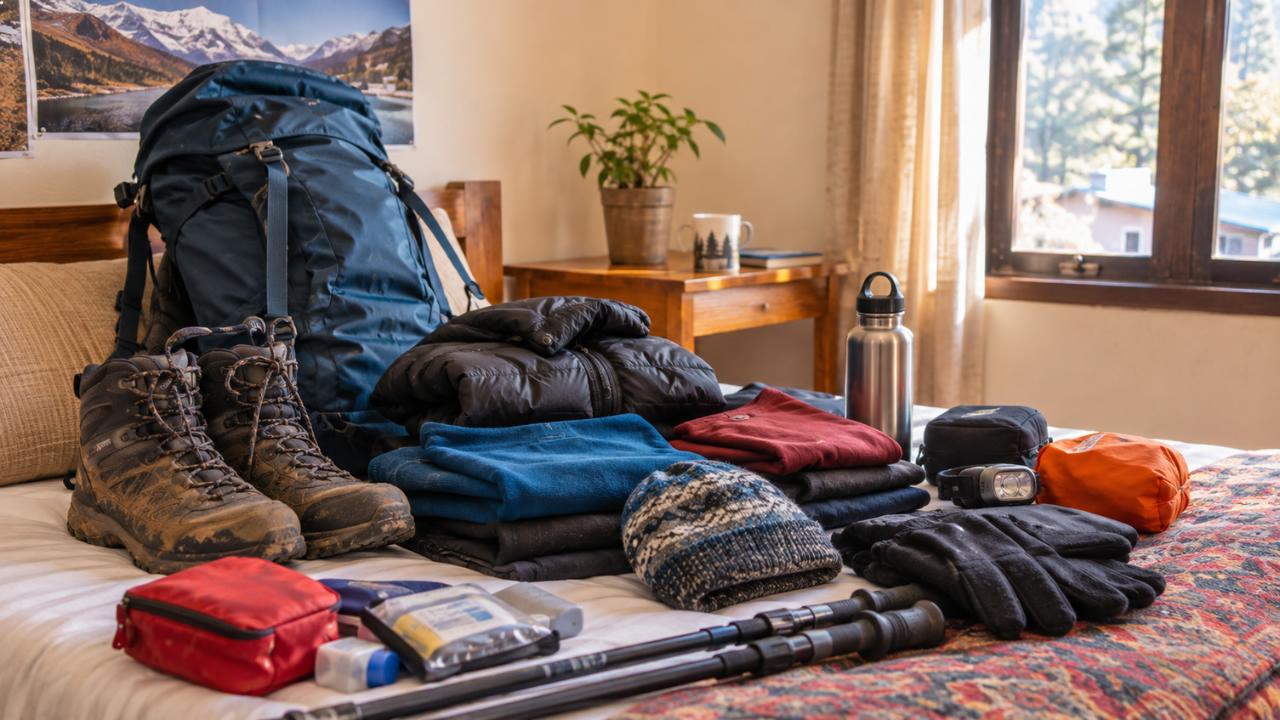
Clothing for Walking and Rest Stops
-
Two sets of lightweight thermal underwear for wearing beneath trekking clothes
-
Three or four breathable trekking tops that dry quickly after perspiration
-
One or two pairs of durable trekking trousers with room for thermal leggings underneath
-
Thick fleece or grid-fleece pullover for insulation during colder walking hours
-
High-quality down jacket for stops, evenings, and early-morning departures
-
Waterproof shell to protect against wind, snow, and unexpected precipitation
-
An insulated pair of trousers or overtrousers for exceptionally cold conditions
-
Two pairs of warm gloves: thin gloves for walking and heavily insulated gloves for exposed sections
-
Warm hat that covers your ears and a face covering for windy mornings
-
Several pairs of wool or synthetic trekking socks, plus a dedicated dry pair for sleeping
-
Thermal sleepwear reserved for nighttime use
-
Warm, dry socks that you do not wear during the day's walk
-
A small dry bag to protect sleepwear and spare clothing from moisture
Footwear
-
Winter-compatible trekking boots with sufficient room for thick socks and a firm outsole
-
Microspikes compatible with your boots for sections affected by ice; use them when trail conditions require additional grip
-
Gaiters to prevent snow, grit, and moisture from entering your boots
-
Spare boot laces and a small equipment-repair kit
Personal Care and Hygiene
-
Category 3 or 4 UV-protection sunglasses for strong sunlight and snow reflection
-
High-SPF sunscreen and SPF lip balm for exposed skin
-
A rich moisturizer to reduce dryness caused by cold, low-humidity air
-
Water purification tablets or a suitable filter
-
Your regular prescription medicines, stored in their original packaging.
-
A compact first-aid kit with blister treatment, antiseptic, and wound dressings.
-
Personal medication for common trekking complaints, selected with medical advice.
-
Hand sanitizer, tissues, and biodegradable wet wipes.
-
A small quick-drying towel and essential toiletries.
-
Oral rehydration or electrolyte sachets.
-
A personal medical information card with emergency contact details.
Trekking Equipment
-
A sleeping bag with a comfort rating around -15°C to -20°C, after confirming the rating and condition of the supplied bag
-
Lightweight sleeping bag liner for extra warmth and a cleaner sleeping surface
-
A headlamp with fresh batteries for the pre-sunrise Kala Patthar climb.
-
A 25 to 35L daypack for water, snacks, extra layers, and personal essentials if you are using a porter.
-
Adjustable trekking poles to improve balance on rocky descents and slippery ground
-
Earplugs for shared rooms and noisy teahouse environments
-
A reusable insulated flask for keeping drinking water warm
-
A lightweight thermos for carrying warm drinks during particularly cold sections
-
Hand warmers for early starts, especially around Gorakshep and Kala Patthar
Essential Travel and Power Supplies
-
Passport, trekking documentation, and copies of important travel papers
-
Insurance documents confirming high-altitude trekking and emergency helicopter evacuation coverage
-
Sufficient Nepali cash for charging devices, snacks, drinks, and hot showers
-
A power bank with enough capacity for several days of limited charging access
-
Charging cables and a compatible travel adapter
-
Phone with offline maps and important contact details saved
-
Camera with spare batteries; cold temperatures can reduce battery performance, so keep spares close to your body
-
Waterproof pouches for electronics and travel documents
Snacks and Small Items Worth Carrying
-
High-energy snacks such as chocolate, nuts, dried fruit, and energy bars
-
Few favourite instant drinks or tea sachets for cold evenings
-
Reusable bags for keeping rubbish until you reach a suitable disposal point
-
Compact personal lock for your luggage
-
Lightweight notebook and pen
-
A small repair tape roll and a few cable ties for minor equipment fixes
Helpful Tips for Everest Base Camp Trek in January
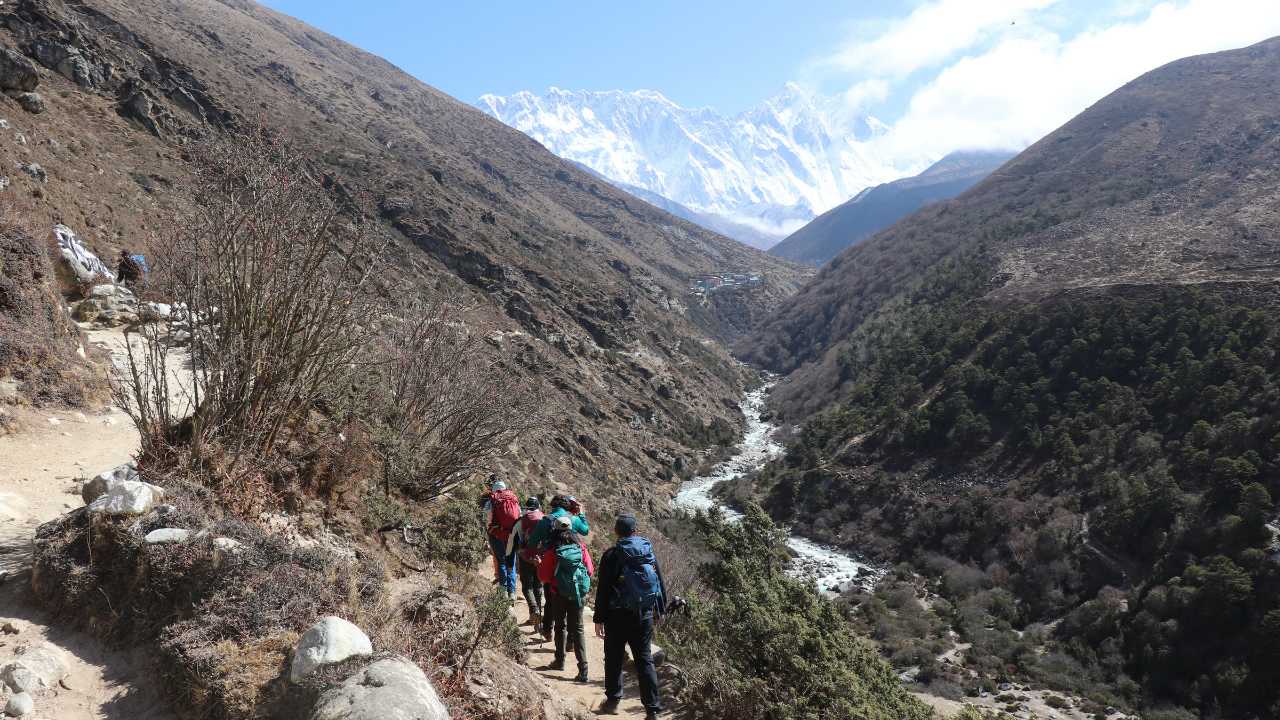
January trekking requires a different daily routine from walking the Everest trail in spring or autumn. You may start the morning in freezing temperatures, become warm during an uphill climb, and feel cold again as soon as you stop. Small adjustments to how you dress, eat, drink, rest, and use your equipment can make the difference between an exhausting winter trek and a much more comfortable experience.
-
Remove a Layer Before You Start Sweating: One common winter trekking mistake is wearing every warm layer from the beginning. You will generate considerable body heat while climbing from Namche towards Tengboche or ascending beyond Dingboche. Start with fewer layers and add your insulated jacket during breaks. Keeping your base layer dry is important because damp clothing loses warmth when you stop walking.
-
Eat Before You Lose Your Appetite: Cold conditions and altitude can make you less interested in food, even when your body needs energy. Have breakfast before setting out, eat lunch rather than skipping it to save walking time, and keep small snacks accessible. Dal bhat, noodle soup, porridge, potatoes, and other carbohydrate-rich meals are practical choices at teahouses. Eating regularly also helps you maintain energy during long upper-valley walking days.
-
Drink More Often Than Your Thirst Tells You: You may not feel as thirsty in January as you do during warmer trekking months, but breathing heavily in cold, dry mountain air still contributes to fluid loss. Take regular small drinks instead of waiting until you feel thirsty. Warm water, soup, and herbal tea can make hydration easier, particularly above Dingboche, where cold temperatures may discourage you from drinking.
-
Use the Sunlight to Your Advantage: The temperature can change significantly depending on whether you are walking in direct sunlight or passing through shaded mountain terrain. Start early enough to use the warmer daylight hours, but avoid rushing. During rest stops, find a sheltered sunny spot when possible and put on an insulating layer before your body cools down. This is particularly useful on exposed sections towards Lobuche and Gorakshep.
-
Keep Your Feet Dry Throughout the Day: Damp socks and tight boots can make cold-weather walking particularly uncomfortable. Wear properly fitted boots with enough room for your winter socks, and avoid overtightening them around your toes. If your socks become wet from perspiration or snow, change into a dry pair when practical. At the teahouse, remove your trekking boots and allow them to air out rather than keeping your feet enclosed all evening.
-
Warm Your Sleeping Bag Before Going to Bed: In an unheated teahouse room, getting into a cold sleeping bag can make it difficult to settle down. Change into dry sleepwear, put on clean warm socks, and keep the following morning's base layers inside your sleeping bag so they are not freezing when you get dressed. You can also ask for a flask of hot water and use a securely closed, suitable hot-water bottle to warm your sleeping area.
-
Give Your Body Time to Adjust Above 4,000 Meters: Do not compare your walking speed around Lukla with your pace at Dingboche or Lobuche. Take shorter, regular steps, breathe steadily, and avoid racing ahead of your guide or group. Pay attention to headaches, nausea, dizziness, unusual fatigue, or loss of coordination. Report symptoms promptly; never continue ascending when altitude sickness is suspected.
-
Protect Your Camera and Phone During Mountain Excursions: January offers excellent opportunities for photographing snow-covered peaks, particularly around Kala Patthar. However, cold temperatures can drain batteries quickly. Carry spare batteries in an inner jacket pocket, keep your camera protected between photographs, and avoid leaving your phone exposed while walking. Take photographs during breaks rather than repeatedly stopping in exposed, windy locations.
-
Take Particular Care During the Final Descent From Kala Patthar: Reaching the viewpoint is only part of the excursion. After spending time above 5,500 meters, you still have to descend over rocky and potentially icy ground to Gorakshep. Keep your trekking poles ready, watch your footing, and avoid rushing downhill when your legs are tired. The same care applies to the descent from Gorakshep towards Pheriche.
-
Make the Most of the Quiet January Trail: With considerably fewer trekkers around than in October and November, you have more opportunities to enjoy the landscape without crowded viewpoints. Take time to observe the changing mountain scenery, visit Tengboche Monastery, and appreciate the quieter atmosphere of traditional Sherpa settlements. Keep your camera ready during clear mornings, when the peaks around Ama Dablam, Nuptse, Lhotse, and Everest can appear especially sharp against the winter sky.